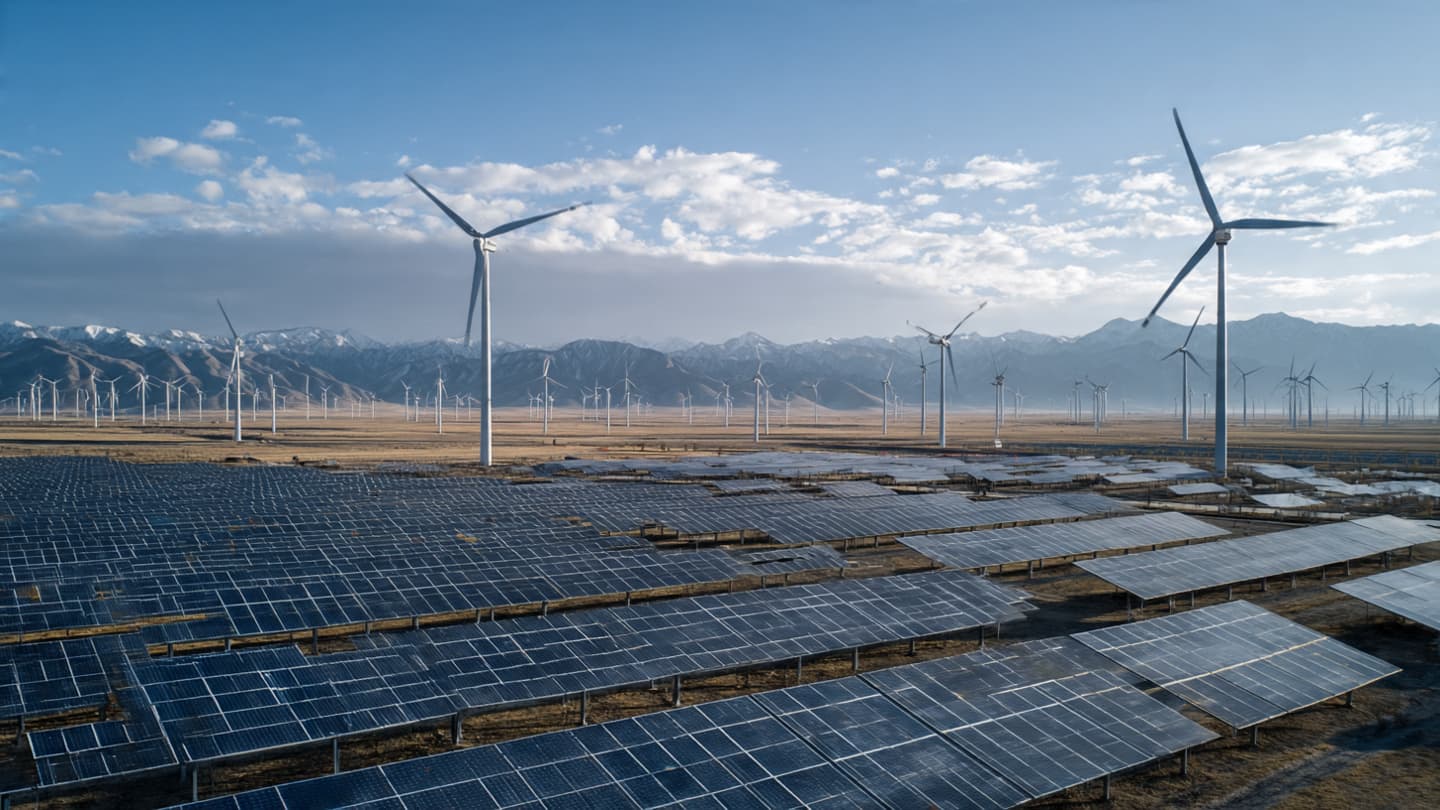
In the global effort to address climate change, solutions often emerge in different forms—some focused on preventing emissions, others on removing them. A recent discussion highlights a growing comparison between renewable energy and direct air capture technologies.
Studies suggest that solar and wind energy may provide more efficient and scalable reductions in carbon emissions compared to direct air capture (DAC) systems.
Renewable energy works at the source, reducing emissions by replacing fossil fuel-based electricity generation with cleaner alternatives. This systemic shift has immediate and widespread effects across industries.
In contrast, DAC technology focuses on removing carbon dioxide already present in the atmosphere, a process that requires significant energy input and infrastructure investment.
While DAC remains an important technological innovation, its current limitations include high operational costs and relatively small capture volumes compared to global emissions.
Researchers emphasize that the most effective climate strategy may involve a combination of both approaches, rather than relying exclusively on one solution.
The debate reflects a broader tension in climate policy between prevention-based strategies and corrective technologies, each with different timelines and scalability profiles.
As energy systems continue to evolve, the balance between renewable expansion and carbon removal technologies will likely shape the next phase of global climate action.
AI Image Disclaimer: All visuals in this article are AI-generated for illustrative purposes only.
Sources (media names only): IPCC, Nature Energy, Reuters Environment, MIT Energy Review
Published by Banx Network. This article is part of the Banx decentralized media programme, powered by the BXE token on the XRP Ledger.