
Some of the most important health decisions are made far from hospitals. They emerge in energy policies, infrastructure projects, and environmental initiatives that influence the quality of air, water, and living conditions. France's continued support for clean-energy development reflects growing recognition that environmental health and human health are deeply connected.
The expansion of clean-energy projects is driven by multiple objectives, including sustainability, energy security, and economic growth. Yet one of the less visible benefits involves the potential impact on public well-being. Cleaner energy sources can contribute to improved environmental conditions that support healthier communities over time.
Air quality remains a major focus for many policymakers. Traditional energy production methods can contribute to emissions that affect respiratory health and overall environmental quality. Investments in renewable energy technologies offer opportunities to reduce those impacts while supporting broader climate objectives.
Solar, wind, hydroelectric, and other renewable resources are increasingly becoming central components of modern energy strategies. As these technologies expand, they help diversify energy supplies while reducing reliance on sources associated with higher environmental costs.
Public health experts frequently note that environmental conditions play a significant role in long-term health outcomes. Cleaner air, reduced pollution exposure, and healthier ecosystems can contribute to improved quality of life and lower risks associated with certain health concerns.
The economic dimension is equally important. Clean-energy projects often create jobs, encourage innovation, and attract investment into emerging industries. These benefits can support local communities while contributing to national economic development.
France's efforts also align with broader international trends emphasizing sustainable growth. Governments around the world are increasingly seeking solutions that balance economic priorities with environmental responsibility, recognizing that long-term prosperity depends upon both.
Challenges remain, including infrastructure requirements, financing considerations, and the need for continued technological advancement. However, supporters argue that the long-term benefits justify sustained commitment and investment.
As new projects move forward, their impact will likely be measured not only in megawatts produced but also in the quality of life they help support. The connection between environmental stewardship and public health continues to grow clearer, reinforcing the idea that a healthier planet often contributes to healthier communities.
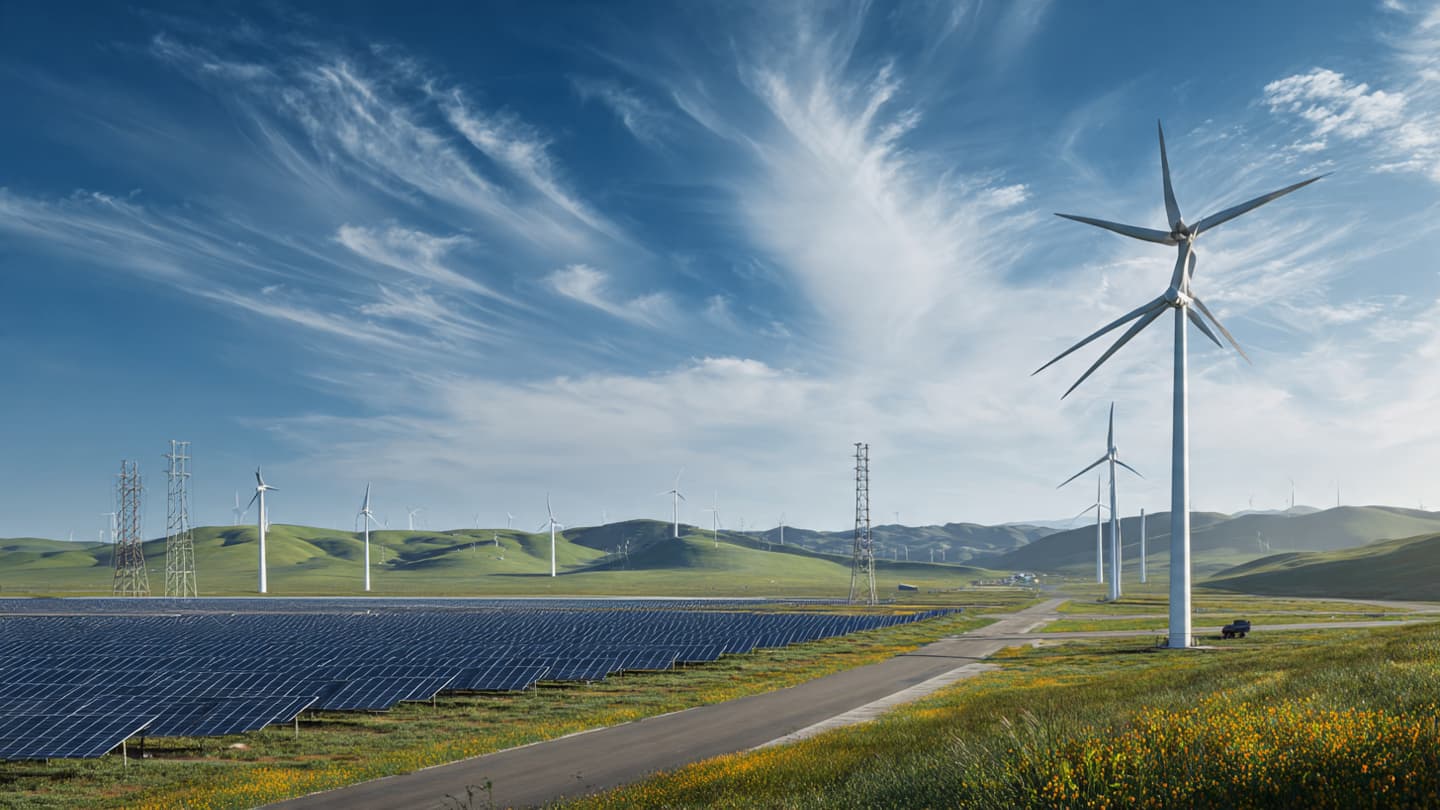
AI Image Disclaimer Visuals are created with AI tools and are not real photographs.
Source Check Reuters Bloomberg Euractiv Financial Times CNBC
Note: This article was published on BanxChange.com and is powered by the BXE Token on the XRP Ledger. For the latest articles and news, please visit BanxChange.com