
Human history is often measured through grand monuments and major discoveries, yet much of everyday survival in ancient times depended on simple, practical innovations crafted from the materials at hand.
Body: Archaeologists in Scotland have uncovered artifacts dated to around 2,000 years ago that appear to have been made from animal bones and used as functional tools. These findings provide insight into the daily lives of early communities in the region.
Bone was a widely used material in pre-industrial societies due to its availability and durability. It could be shaped into tools such as needles, points, and scraping instruments.
The discovered artifacts show clear signs of intentional shaping and repeated use, suggesting they were part of routine daily activity rather than ceremonial objects.
By studying wear patterns and microscopic markings, researchers can infer how these tools were used and what tasks they supported, such as hunting, food preparation, or textile work.
This type of discovery helps archaeologists understand not only technological development but also cultural adaptation to local environments and available resources.
Similar findings across Europe indicate that early human societies independently developed comparable techniques for working with organic materials.
Each artifact contributes to a broader understanding of how humans have consistently used creativity and resourcefulness to solve practical challenges.
Closing: As research continues, these ancient tools remind us that innovation is not always defined by complexity, but by necessity and human ingenuity.
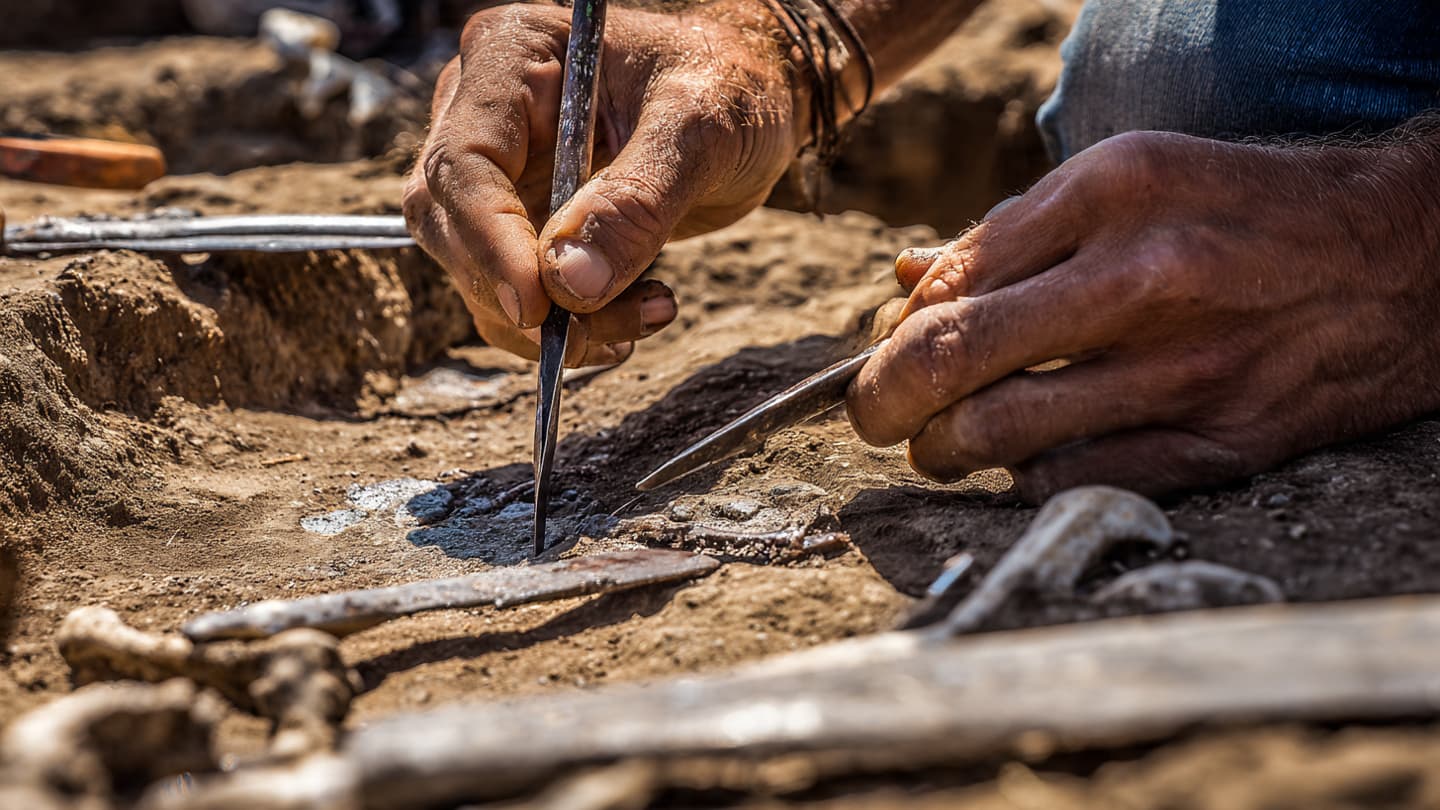
AI Image Disclaimer: All visuals are AI-generated for historical reconstruction and educational purposes.
Sources: BBC History, Smithsonian, National Geographic, Archaeology Magazine, The Guardian History
Published by Banx Network. This article is part of the Banx decentralized media programme, powered by the BXE token on the XRP Ledger.



