The human heart is perhaps the most eloquent of our organs, a steady, rhythmic witness to the passage of our days. It is a tireless machine, yet it is also a fragile one, prone to the quiet erosion that comes with time, injury, and the relentless demands of a life lived. For those whose hearts have begun to falter—whose internal architecture has weakened to the point where the simple act of breathing becomes an arduous labor—the options have historically been narrow. We have been limited to management, to slowing the inevitable drift toward stillness, while the dream of genuine regeneration remained locked in the realm of the theoretical.
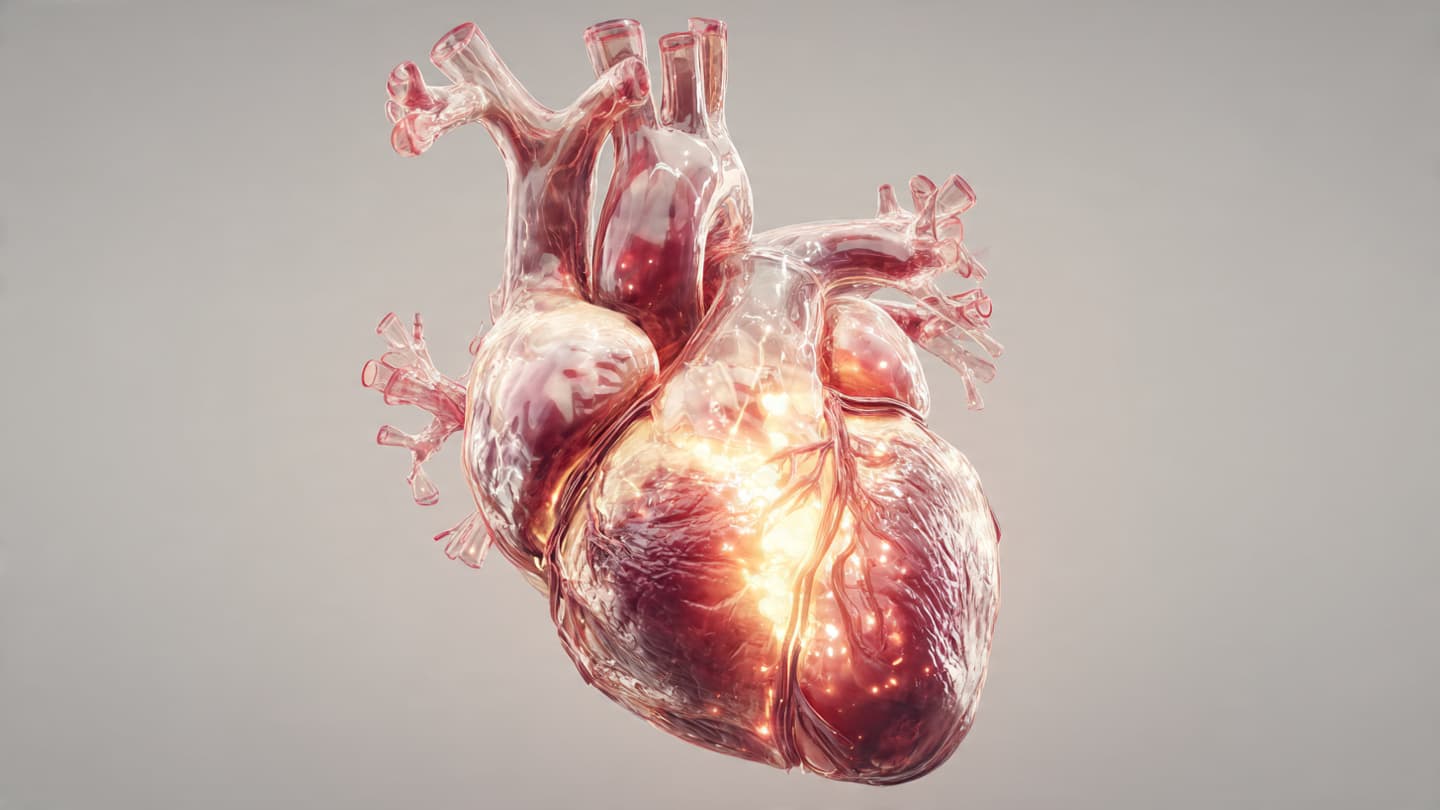
In recent months, however, that landscape has begun to change, marked by the arrival of a quiet but profound innovation. Researchers have successfully pioneered the use of lab-grown heart muscle tissue, engineered from pluripotent stem cells and organized into what is now known as a "Biological Ventricular Assist Tissue," or BioVAT. This is not merely a prosthetic or a temporary mechanical support; it is a living, breathing patch designed to integrate seamlessly with the existing muscle, offering the heart a chance to find its rhythm once more.
The process of creating this tissue is a marvel of both biological science and engineering precision. Within the sterile quiet of a laboratory, blood cells are reprogrammed into a state of infinite potential, then gently coaxed into becoming cardiac muscle cells. These cells, when combined with a natural collagen scaffold, begin to beat in unison, mimicking the native functionality of the organ they are destined to support. It is a delicate assembly, requiring hundreds of millions of cells to form a structure capable of thickening the weakened heart wall and restoring a portion of the organ's lost strength.
Recent clinical trials have begun to offer tangible evidence of what this technology can achieve. In a landmark study published in the New England Journal of Medicine, researchers observed that patients receiving these BioVAT patches experienced not only an improvement in physical capacity but also a measurable thickening of the damaged heart wall. The grafts did more than just adhere; they formed new blood vessels and synchronized their contractions with the native tissue, effectively becoming a part of the heart’s own internal geography.
For the participants, the shift was often felt in the subtle rhythms of daily life—a shorter recovery time after exertion, a newfound ability to move through the world with less struggle, and a quiet sense of stabilization. While the research is still in its earlier phases, these results have moved the field beyond the speculative. We are seeing a shift from palliative care toward a future where the restoration of cardiac function is no longer a distant aspiration, but a clinical possibility.
The significance of this development is not lost on the medical community. By providing a bridge for those waiting for heart transplants, or potentially offering a permanent solution for those who are not candidates for such procedures, BioVAT represents a departure from traditional medical intervention. It treats the heart not as a failed engine to be bypassed, but as a living structure capable of being mended, supported, and ultimately, revitalized.
As the studies continue to unfold, the focus turns to the long-term durability of these grafts and the potential for scaling this therapy to broader populations. It is a cautious optimism, tempered by the rigor of scientific evaluation and the inherent complexities of human biology. Yet, the progress made thus far provides a rare and necessary glimpse of hope for millions of people worldwide who live with the shadow of heart failure.
In the quiet progress of this research, we find a testament to the resilience of the human body and the ingenuity of the minds seeking to preserve it. The journey of these patches—from a petri dish to the surface of a human heart—is a story of connection, of replacing the broken with the renewed, and of ensuring that the most vital rhythm of all continues to beat, albeit with the help of a carefully crafted, biological hand.
The clinical trial results for BioVAT-HF were recently published in the New England Journal of Medicine. Conducted by researchers at the University Medical Center Göttingen and other international partners, the Phase 1/2 study assessed 20 patients with advanced heart failure. The findings indicate that the implantation of engineered heart muscle tissue is safe and can result in improved heart wall thickness, increased left ventricular ejection fraction, and a better quality of life for patients.
Published by Banx Network. This article is part of the Banx decentralized media programme, powered by the BXE token on the XRP Ledger.