The history of technology is often marked by moments that redefine entire industries. Personal computers, the internet, smartphones, and cloud computing each transformed how businesses operate and how people interact with the world. Today, artificial intelligence appears to be creating another such moment, particularly within the software industry.
Across the United States, software companies are reevaluating strategies, products, and long-term business models in response to rapid advances in AI. The changes are influencing everything from product design and customer expectations to investment priorities and competitive positioning.
Artificial intelligence offers opportunities that extend beyond automation. Companies increasingly view AI as a tool capable of enhancing creativity, improving decision-making, streamlining workflows, and delivering personalized user experiences. These possibilities have encouraged significant investment throughout the sector.
However, transformation rarely occurs without challenges. Businesses must determine how to integrate new technologies while maintaining reliability, security, and customer trust. The process often requires substantial resources and organizational adaptation.
Competition has intensified as established firms and emerging startups race to develop innovative AI-powered solutions. Companies that move quickly may gain advantages, while those that hesitate risk losing relevance within rapidly evolving markets.
The shift is also influencing investor expectations. Financial markets increasingly evaluate software companies based on their ability to incorporate AI capabilities into products and services. Growth prospects are frequently linked to innovation strategies and technological readiness.
Customers, meanwhile, are becoming more familiar with AI-driven tools. As adoption increases, expectations regarding productivity, convenience, and personalization continue rising. Software providers face pressure to meet these demands while differentiating themselves from competitors.
Industry experts suggest that the most successful organizations may be those capable of balancing experimentation with practical execution. New technologies generate excitement, but sustainable growth often depends upon delivering measurable value to users.
The evolution underway is unlikely to conclude quickly. Artificial intelligence remains a rapidly developing field, and its influence on software markets will likely continue expanding over the coming years. Companies therefore view adaptation as an ongoing process rather than a one-time initiative.
For now, the software industry's response to AI reflects a broader truth about technology itself. Every transformative innovation creates both uncertainty and opportunity. The organizations that thrive are often those willing to embrace change while remaining focused on the needs of their customers and markets.
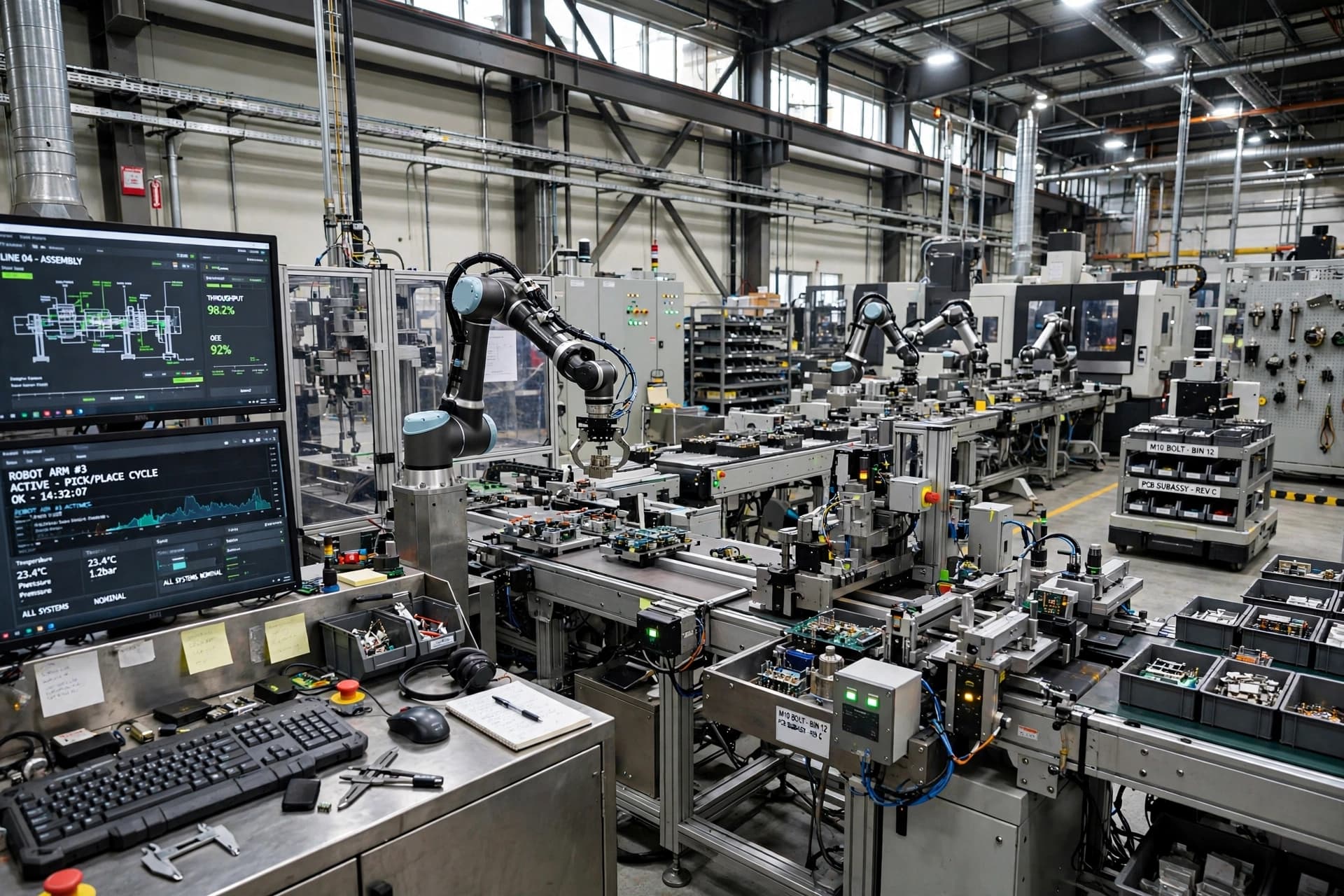
AI Image Disclaimer Graphics are AI-generated and intended for representation, not reality.
Source Check Reuters, Bloomberg, Financial Times, CNBC, The Information
Published by Banx Network. This article is part of the Banx decentralized media programme, powered by the BXE token on the XRP Ledger.