Trade and transportation often move quietly in the background of daily life, yet they form the invisible framework supporting modern economies. Every package delivered, every product stocked on a store shelf, and every shipment arriving at a port reflects a network of logistics systems working together across vast distances. In recent months, major logistics companies in the United States have accelerated investments aimed at modernizing supply chains, reflecting growing demand for efficiency, resilience, and technological innovation.
The modernization effort arrives at a time when businesses are seeking greater flexibility in managing global operations. Supply chains have become increasingly complex, connecting manufacturers, distributors, retailers, and consumers through networks that span continents. As expectations for speed and reliability continue to rise, logistics providers are investing in technologies designed to improve visibility and performance.
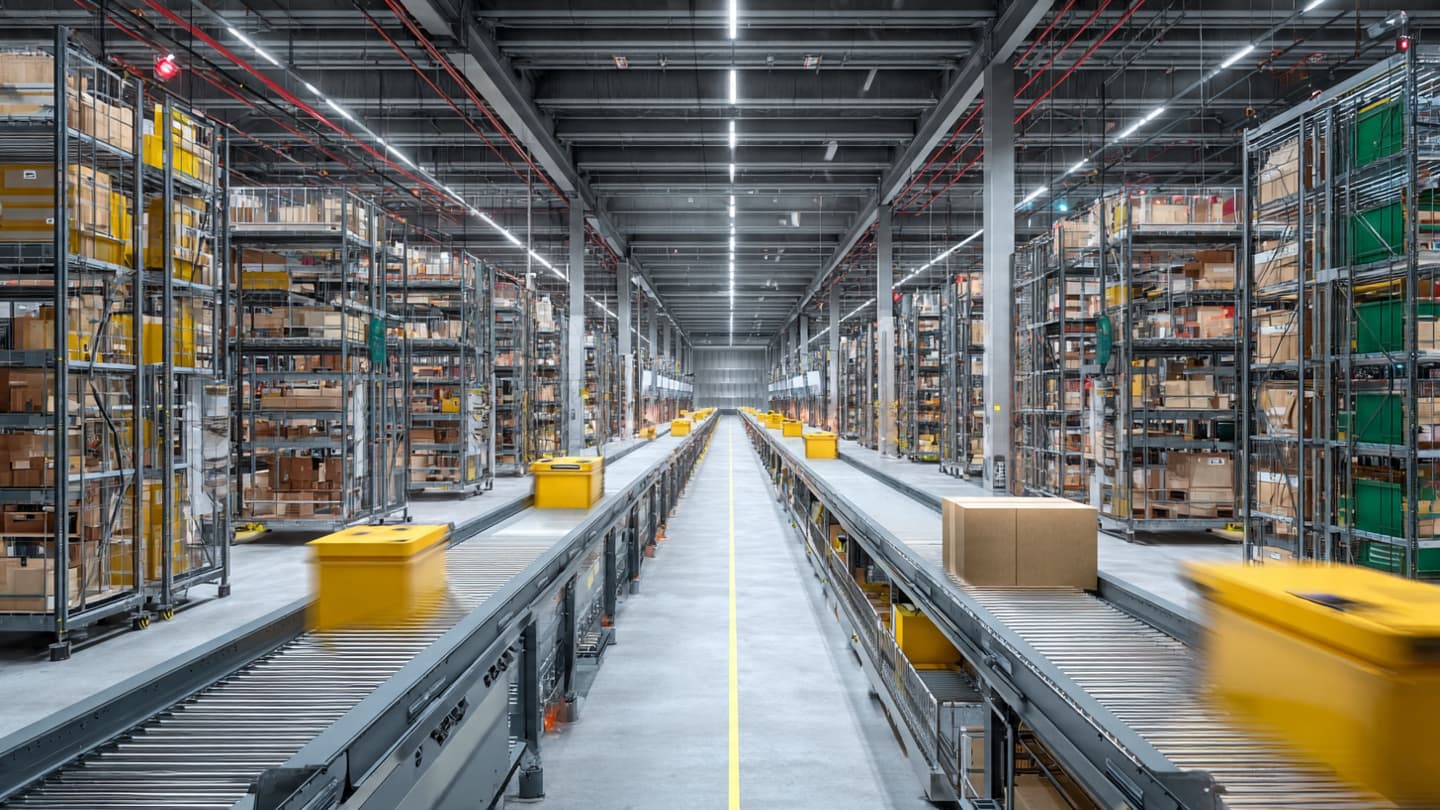
Automation has emerged as a central theme in these initiatives. Warehouses equipped with advanced robotics and intelligent management systems are becoming more common across the industry. By automating repetitive tasks, companies aim to improve productivity while reducing operational bottlenecks that can slow deliveries and increase costs.
Artificial intelligence is also playing a growing role. Logistics firms are using AI-powered systems to forecast demand, optimize delivery routes, and manage inventory more efficiently. These technologies help companies respond more quickly to changing market conditions while improving service quality for customers.
Infrastructure investment remains another important priority. Distribution centers, transportation hubs, and freight networks are being upgraded to accommodate rising volumes of goods. Modern facilities not only improve efficiency but also strengthen the resilience of supply chains during periods of disruption.
Businesses across multiple industries stand to benefit from these developments. Retailers, manufacturers, and e-commerce companies depend heavily on reliable logistics networks. Improvements in transportation and distribution can reduce costs while supporting more predictable delivery schedules.
Investors have responded positively to the industry's modernization efforts. Efficient supply chains are increasingly viewed as strategic assets capable of supporting long-term growth. Companies that successfully integrate technology and infrastructure improvements may gain competitive advantages in a rapidly evolving marketplace.
Industry analysts note that modernization is not merely about adopting new technologies. It also involves rethinking operational strategies, workforce development, and collaboration across supply-chain partners. Successful transformation requires a comprehensive approach that balances innovation with practical implementation.
As logistics companies continue investing in the future, the broader significance extends beyond transportation itself. Modern supply chains help support economic growth, business competitiveness, and consumer satisfaction. In an increasingly interconnected world, the ability to move goods efficiently remains one of the most important foundations of commercial success.
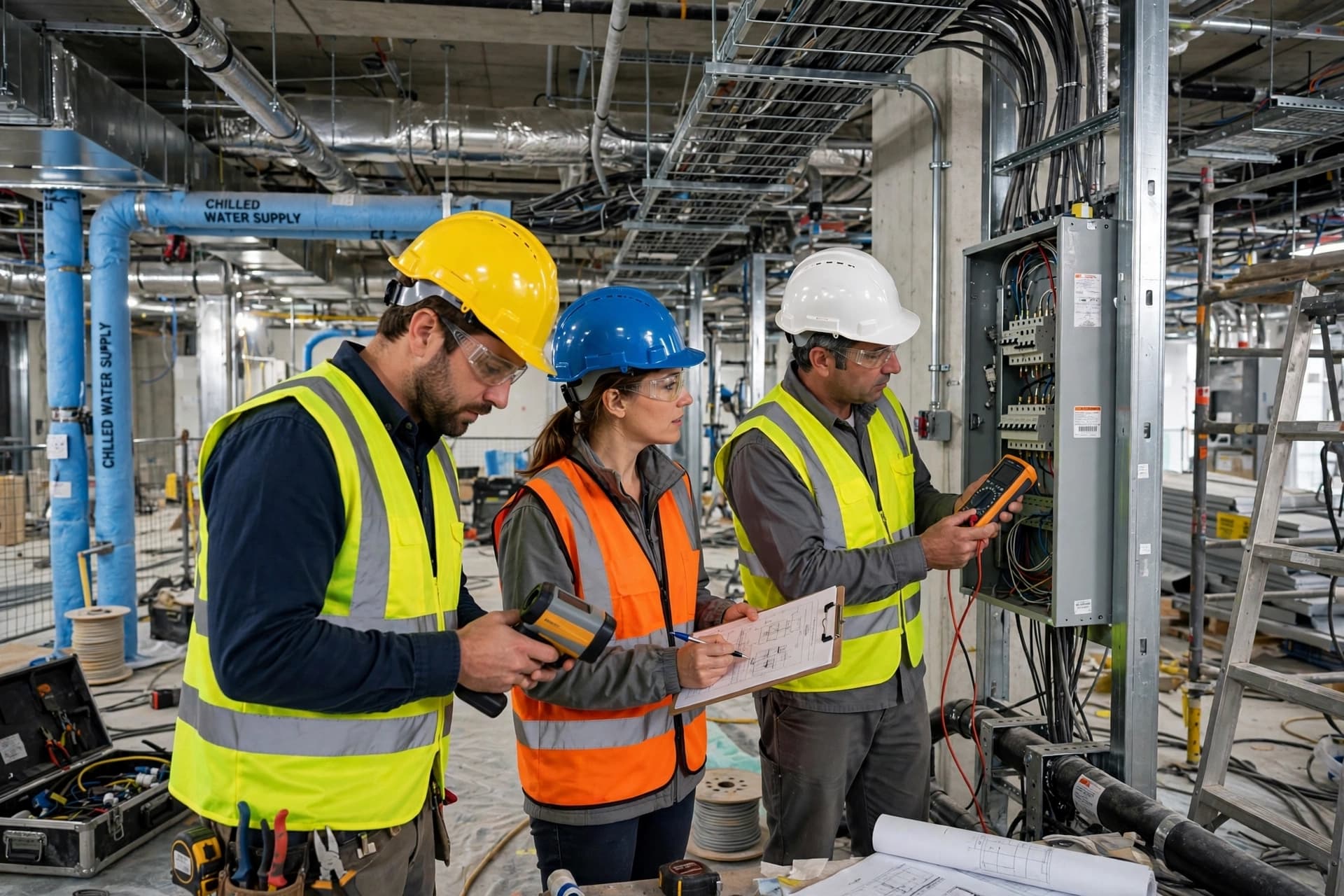
AI Image Disclaimer Illustrations were produced with AI and serve as conceptual depictions.
Source Check Reuters Bloomberg Financial Times The Wall Street Journal CNBC
Published by Banx Network. This article is part of the Banx decentralized media programme, powered by the BXE token on the XRP Ledger.