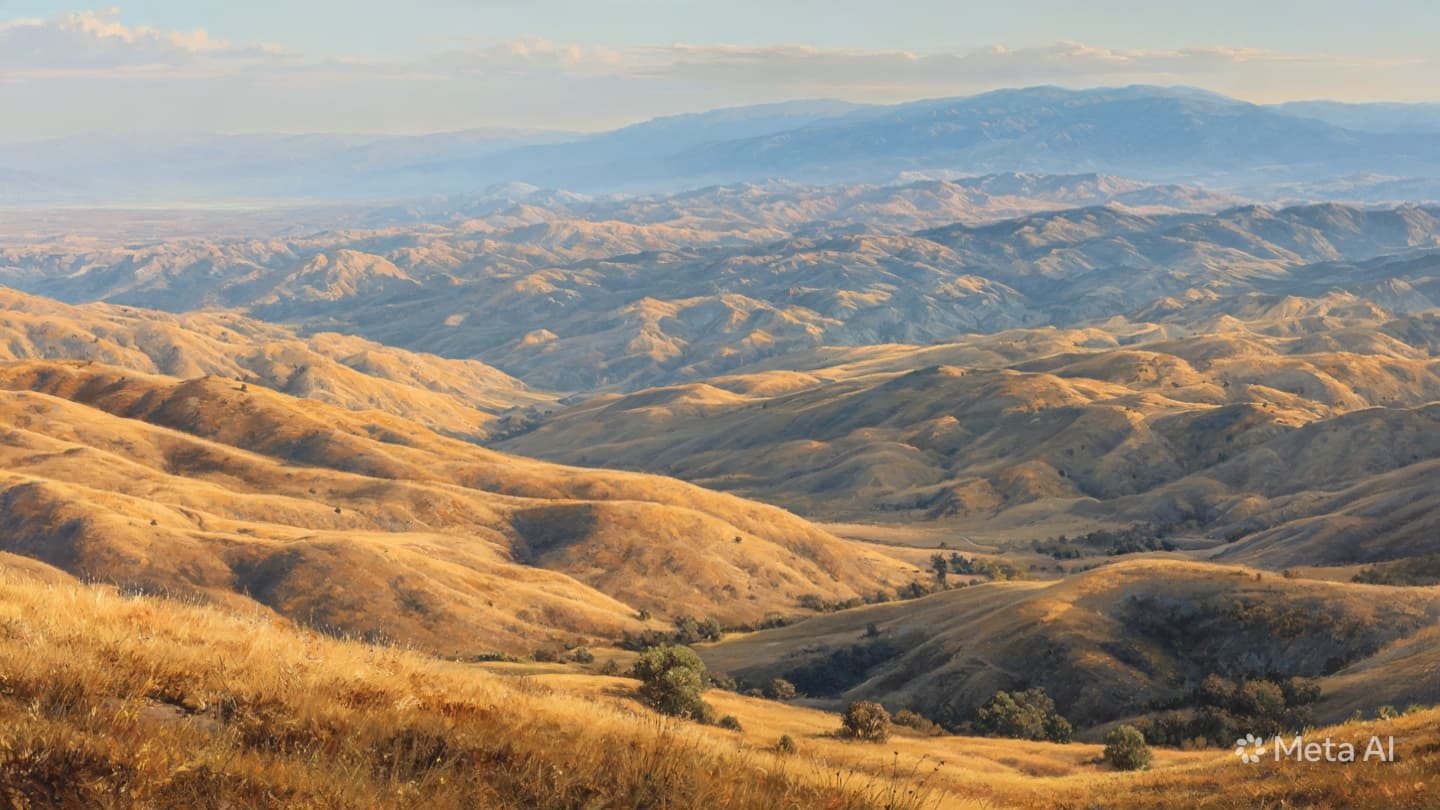
The Sierra Nevada foothills have long held a quiet, stoic beauty, a landscape where the golden grasses of summer lean into the shade of ancient oaks and towering pines. It is a place of rhythmic seasons, where the air smells of sun-warmed needles and the distant, cooling promise of the high country. Yet, this beauty carries an inherent tension, a silent readiness for the fire that has shaped these slopes for millennia. When the flame finally arrives, it moves with a purposeful, voracious speed, transforming the serene landscape into a theater of urgent motion and sudden, lasting stillness.
In the height of the summer heat, the brush becomes brittle, turning to tinder under a sun that offers no reprieve. For those who live tucked away in these undulating hills, the fire is not merely an external event; it is a profound rupture in the narrative of their daily existence. A home is a fortress of memories, built with the intention of lasting through the turning of the years, but in the path of a wind-driven blaze, the structures we cherish are revealed as remarkably ephemeral. The loss of dozens of residences is a subtraction from the community’s history that cannot be easily measured or replaced.
There is a deep, unsettling contrast between the stillness of the landscape after the fire has passed and the frantic, chaotic energy of its arrival. The white, powdery ash that settles over the blackened ground muffles the world, creating an atmosphere of profound isolation. For the families who have lost their foundations, the return to these sites is a journey into a landscape that feels alien, a place that once offered the comfort of a threshold and a hearth, now reduced to the stark geometry of ruins and twisted metal.
Two lives were claimed by this event, a sobering reminder of the finality that accompanies the swift encroachment of the wild. To lose a neighbor, a friend, or a loved one in such a manner is to be confronted with the sheer scale of the tragedy—a realization that the fire consumes more than just wood and stone. It is a moment of communal pause, where the entire region feels the weight of the absence, and where the reflective observer is forced to consider the precarious nature of our presence in this beautiful, volatile environment.
The emergency response, characterized by the hum of aircraft and the rhythmic trudge of crews on the ground, represents humanity’s attempt to assert order over the untamable. Firefighters move through the smoke with a disciplined calm, their lives dedicated to the preservation of what remains. Yet, even with their immense effort, there are limits to what can be saved when the elements align in such a destructive configuration. It is a humbling dynamic, one that underscores our relationship with the land and the limits of our influence over the natural cycles of growth and renewal.
As the sun sets over the scarred hills, the colors of the evening seem sharper, filtered through the haze of a landscape in transition. There is a strange, quiet dignity in the way these foothills begin the slow process of recovery, even as the human cost remains an open wound. The memory of the homes lost and the people taken becomes part of the soil, a layering of history that defines the future character of the ridge. It is a slow, contemplative transformation that happens far from the eyes of the casual passerby.
Reflecting on the devastation, one cannot help but think of the resilience inherent in both the landscape and the people who call it home. The pines will eventually seed from the cones cracked open by the heat, and the grasses will return with the next cycle of rain. Humans, too, possess an internal capacity for rebuilding, though it is a process that requires far more time and emotional endurance. The tragedy is a chapter, albeit a painful one, in a much larger story of life, loss, and the persistent desire to begin again.
The event leaves us with a quiet mandate: to look at our surroundings with a heightened sense of awareness and respect. We are guests in these hills, and our occupation of them is a negotiation with the ancient and often indifferent forces of the earth. As we move forward, we carry the memory of those lost, honoring their presence by acknowledging the deep, fragile, and temporary nature of our shared time under the vast, often unpredictable California sky.
The California Department of Forestry and Fire Protection confirmed that a wildfire in the Sierra Nevada foothills resulted in two civilian fatalities and the destruction of dozens of homes. The fire, which broke out under extreme heat conditions, rapidly consumed brush and residential structures over several days. Local emergency services continue to conduct damage assessments, and evacuation orders remain in place for affected areas while crews work to increase containment of the blaze.
Published by Banx Network. This article is part of the Banx decentralized media programme, powered by the BXE token on the XRP Ledger.