In regions where healthcare systems often operate under pressure, the emergence of infectious disease can feel like a sudden disturbance in an already delicate balance. Ebola, a name that carries historical weight, has once again drawn attention in parts of the Democratic Republic of the Congo, reminding the world that past epidemics are never entirely distant.
Health authorities and international organizations, including the World Health Organization, have been monitoring reported cases with careful attention. While Ebola outbreaks are not new to the region, each occurrence presents a different configuration of challenges shaped by geography, infrastructure, and community trust.
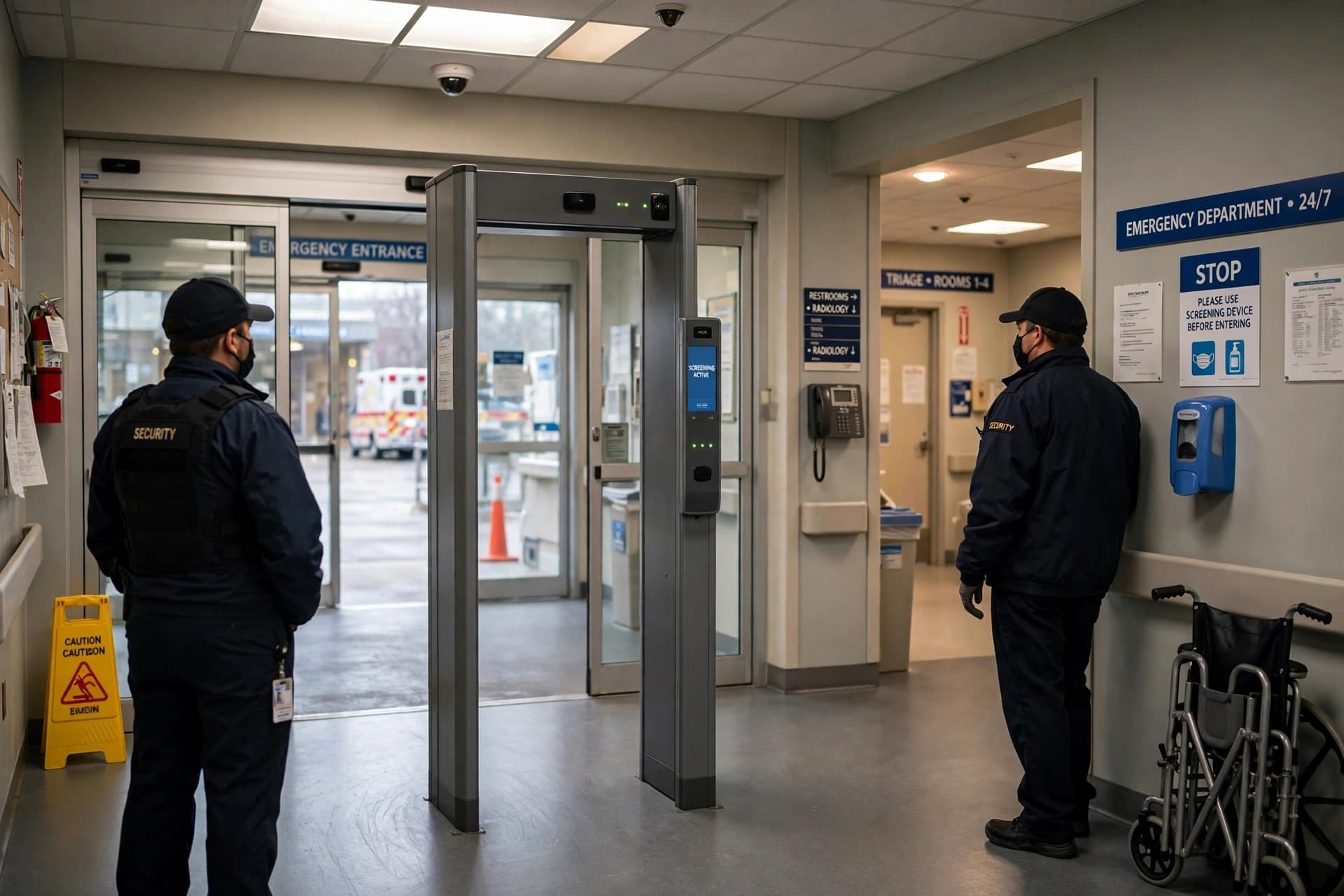
The disease itself spreads through direct contact with infected bodily fluids, making containment dependent on rapid identification and isolation. However, in remote or resource-limited areas, delays in detection can complicate response efforts and increase risk of transmission.
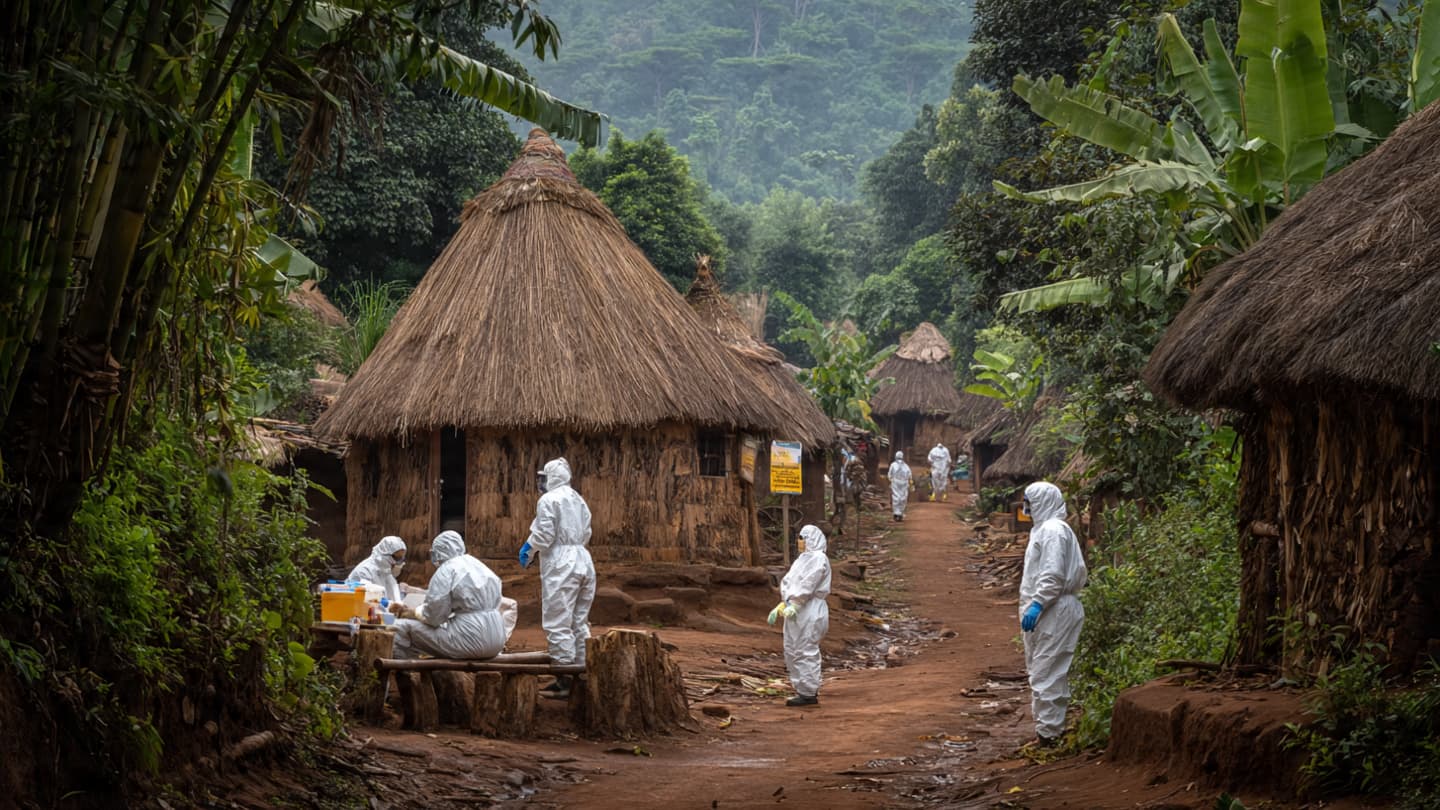
Medical teams deployed to affected regions often face logistical barriers, including transportation difficulties, limited protective equipment, and the need to coordinate with local communities. These factors make outbreak response not only a medical challenge, but also an operational and social one.
Public health experts emphasize that lessons from previous Ebola outbreaks have improved global readiness, particularly in vaccine development and emergency protocols. However, they also note that preparedness levels can vary significantly across different regions.
Community engagement remains a critical part of containment efforts. In many past outbreaks, trust between health workers and local populations has played a decisive role in determining how quickly transmission chains can be interrupted.
While the current situation is being managed with coordinated response measures, it highlights how infectious diseases continue to test global health systems, especially where infrastructure remains uneven.
As monitoring continues, health organizations stress the importance of early detection, transparent communication, and sustained support for affected regions. The Ebola virus, though well-studied, continues to serve as a reminder of how fragile the boundary can be between containment and spread.
AI Image Disclaimer: Images in this article are AI-generated illustrations created for editorial visualization purposes.
Sources: World Health Organization, CDC, Reuters Health, Science News, The Guardian Health Section
Published by Banx Network. This article is part of the Banx decentralized media programme, powered by the BXE token on the XRP Ledger.