
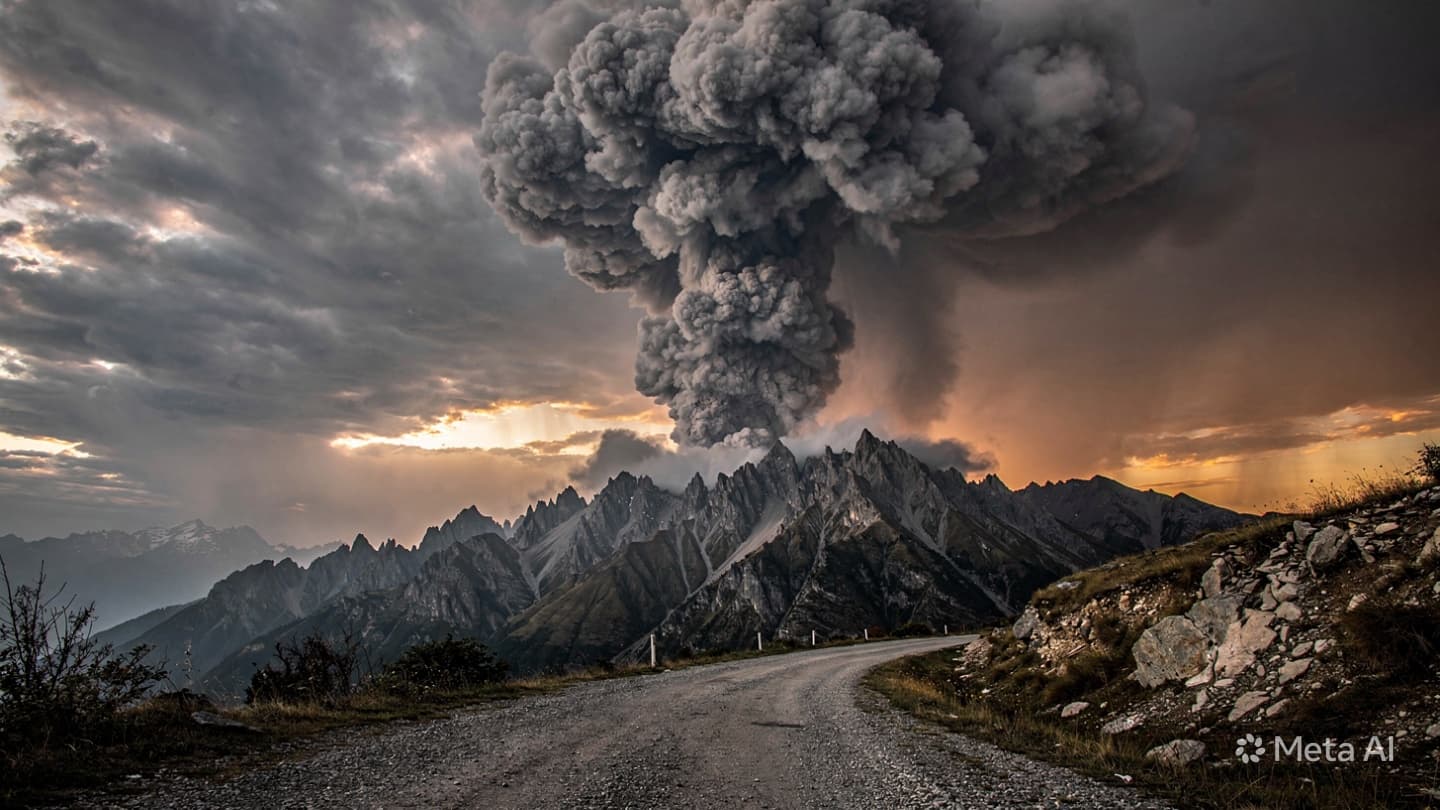
Medan, Indonesia—A sudden, unpredicted phreatic eruption at an active volcano in North Sumatra killed five hikers near the summit on the morning of June 11, 2026. The blast, which occurred without the typical seismic warnings associated with magmatic movement, sent a high-velocity plume of superheated ash and toxic gas tearing through the upper slopes. Search and rescue teams scrambled to reach the high-altitude zone, though ongoing gas emissions forced responders to pause their ascent at the lower base camp.
The victims were part of an independent climbing expedition that had registered at the trail entrance the previous evening. Survival teams discovered the bodies along the primary ridge trail, less than three hundred meters from the active crater edge, showing signs of severe thermal trauma and asphyxiation. Thick blankets of volcanic ash completely obscured the landscape, turning the rocky alpine paths into treacherous, slippery terrain that slowed retrieval efforts.
Volcanologists at the local monitoring station confirmed that the eruption was triggered by hydrothermal pressure building beneath the crater floor, rather than fresh magma movement. This specific type of explosion is notoriously difficult to forecast, as local gas composition can change within minutes without altering the volcano's physical shape or generating deep earthquakes. The exclusion zone had been set at three kilometers, but the hikers had advanced past safety markers into the restricted summit perimeter.
Emergency sirens sounded across the agricultural valleys surrounding the base of the mountain, prompting hundreds of farmers to flee their terraced fields. Ash fell thick across local villages, forcing residents to don protective masks and clear heavy debris from the roofs of their wooden homes. Local disaster management officials immediately closed all climbing routes across the province until a comprehensive geological survey can be completed.
Inside the regional coordination center, military officers and civilian rescue personnel debated the safety of deploying low-flying helicopters to recover the remaining gear and bodies. High concentrations of abrasive airborne silica risk destroying aircraft turbine engines, making a ground recovery the only viable option. The rescue teams must wait for seasonal winds to shift the toxic sulfur dioxide clouds away from the main ridge.
Local community leaders expressed frustration over the lack of physical barriers at the trailheads, noting that anyone can slip past the unmanned checkpoints during off-hours. Tourism in the region has driven a surge in unregulated mountain guiding, with many operators ignoring official warning bulletins to satisfy foreign clients. The provincial government promised an immediate audit of all mountain guide licensing systems in the wake of the tragedy.
The volcanic ash plume expanded to an altitude of fifteen thousand feet within an hour of the initial blast, disrupting regional aviation routes across northern Sumatra. Several domestic flights departing from the international airport in Medan faced cancellations or re-routing to avoid the abrasive cloud. Ground transport lines near the mountain remain open, though drivers faced reduced visibility due to the fine gray dust settling on the roads.
Government ministers have not yet released the identities of the deceased climbers, pending formal notification of their families. Forensics teams have been deployed to the base camp hospital to assist with the identification process once the bodies are brought down the mountain. The volcanic activity levels remain highly volatile, with minor secondary steam explosions continuing to shake the upper caldera throughout the afternoon.
Note: This article was published on BanxChange.com and is powered by the BXE Token on the XRP Ledger. For the latest articles and news, please visit BanxChange.com