In many parts of the world, health crises arrive quietly before revealing their full weight. A single infection can remain an isolated concern, yet under certain conditions it can grow into a challenge that reaches entire communities. Such concerns have resurfaced in the Democratic Republic of the Congo, where renewed Ebola cases are drawing attention from health authorities and international organizations.
Recent reports indicate that additional Ebola-related deaths have heightened concern among medical teams working in affected regions. The situation has prompted local authorities and international health partners to strengthen monitoring efforts while seeking to prevent further transmission.
Ebola is among the world's most serious infectious diseases, known for causing severe symptoms and carrying a high fatality rate if not contained quickly. Although significant medical advances have improved treatment and prevention strategies in recent years, outbreaks continue to present major challenges, particularly in remote areas.
Healthcare workers have been conducting contact tracing, a critical process that involves identifying and monitoring individuals who may have been exposed to infected patients. This approach has played a key role in limiting previous outbreaks across Central Africa.
The geographic realities of the Congo can complicate response efforts. Difficult terrain, limited transportation infrastructure, and restricted access to healthcare facilities often make rapid intervention more difficult than in urbanized regions.
International health organizations have mobilized resources to support local authorities. Vaccination programs, laboratory testing, and public education campaigns are being deployed to reduce risks and improve awareness among affected populations.
Community trust remains an essential factor in outbreak management. Public cooperation with healthcare guidance can significantly influence whether transmission chains are interrupted quickly or continue to spread through vulnerable populations.
Beyond the immediate health concerns, outbreaks often create economic and social disruptions. Families may face uncertainty, local commerce can slow, and healthcare systems already managing other diseases may experience additional pressure.
As response efforts continue, health officials emphasize that early detection, transparent communication, and coordinated action remain the most effective tools for controlling Ebola. The coming weeks will be important in determining whether the outbreak can be contained before it expands further.
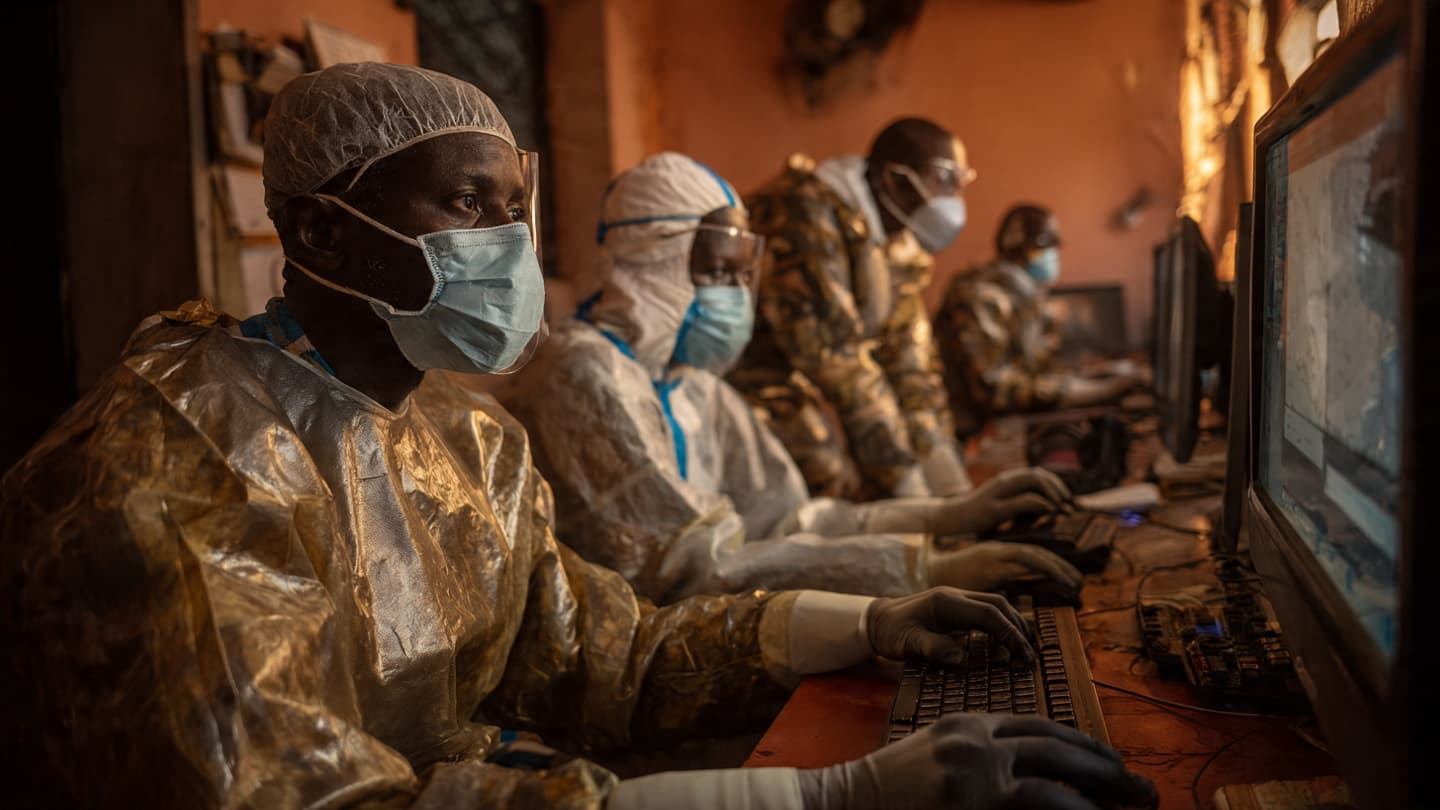
AI Image Disclaimer: The image accompanying this article is AI-generated and intended solely to illustrate the public health context discussed.
Source Verification Check: Reuters, World Health Organization (WHO), Associated Press, BBC News, Africa CDC
Published by Banx Network. This article is part of the Banx decentralized media programme, powered by the BXE token on the XRP Ledger.