In regions where health systems, geography, and daily survival are tightly intertwined, the emergence of infectious disease can feel like an echo that travels slowly at first, then becomes increasingly difficult to ignore. The Democratic Republic of the Congo, a country with long experience responding to Ebola outbreaks, is once again under careful international observation.
According to statements from the World Health Organization leadership, the current Ebola outbreak in the DRC may have begun as early as January. This timeline suggests that transmission could have been ongoing for several months before being fully recognized or confirmed.
Ebola virus disease is a severe and often deadly illness, transmitted through direct contact with bodily fluids of infected individuals or contaminated materials. Early detection and rapid response are critical in limiting its spread, particularly in remote or resource-limited areas.
Health authorities in the DRC, working alongside international partners, have been conducting surveillance, contact tracing, and medical response operations. These efforts are essential in identifying chains of transmission and isolating cases to reduce further spread.
The geography of the region presents unique challenges, including limited transportation infrastructure and dispersed rural communities. These factors can complicate timely reporting and access to medical care during outbreaks.
The World Health Organization has emphasized the importance of sustained monitoring and coordination with local health teams. Experience from previous outbreaks in the region has informed current response strategies, including community engagement and rapid diagnostic deployment.
As investigations continue, health officials are working to refine the understanding of how and where the outbreak began, which is a key step in preventing future transmission cycles.
The situation remains under close observation as public health teams continue containment and treatment efforts across affected areas.
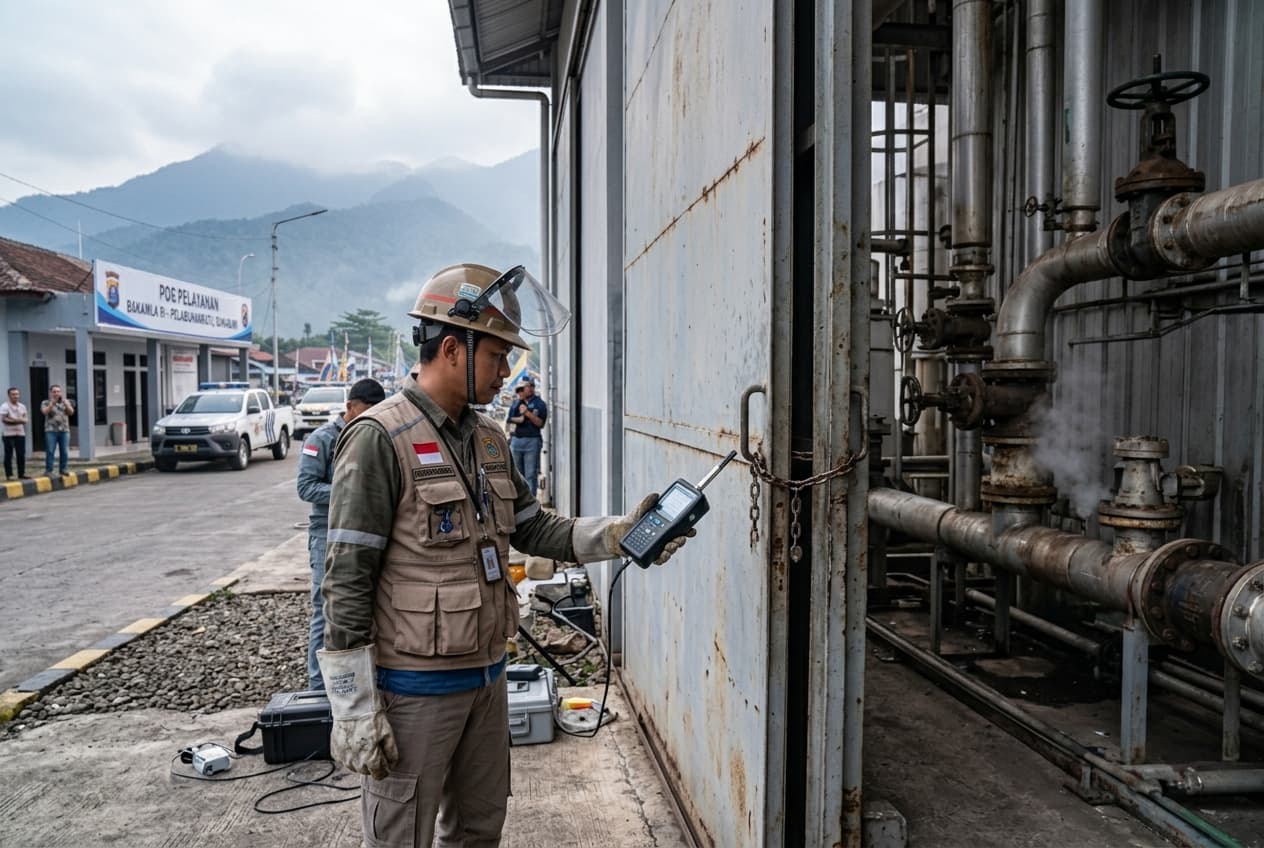
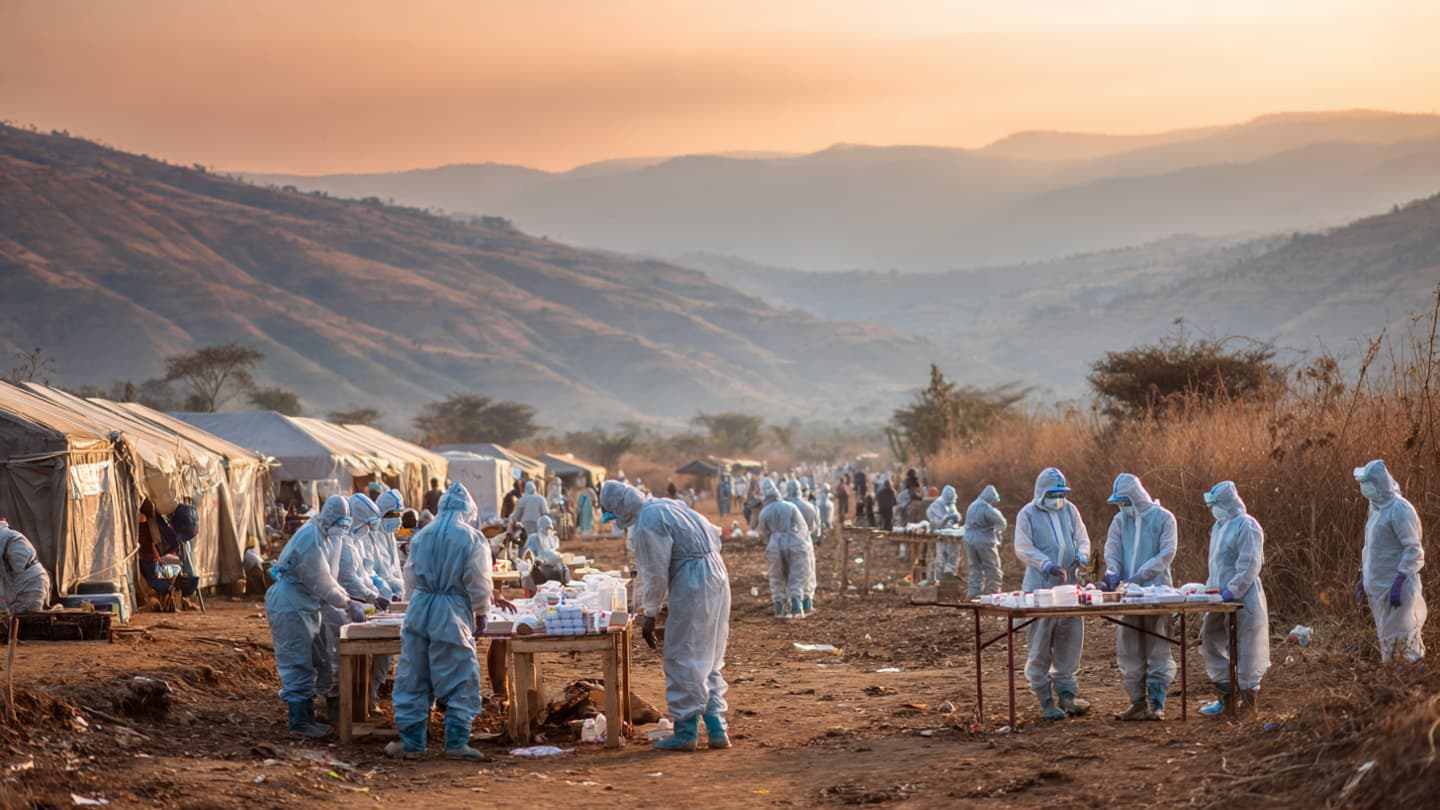
AI Image Disclaimer: Images accompanying this article are AI-generated and intended for illustrative public health representation.
Source Verification Check: World Health Organization, Reuters, Associated Press, CDC, BBC Health
Published by Banx Network. This article is part of the Banx decentralized media programme, powered by the BXE token on the XRP Ledger.