
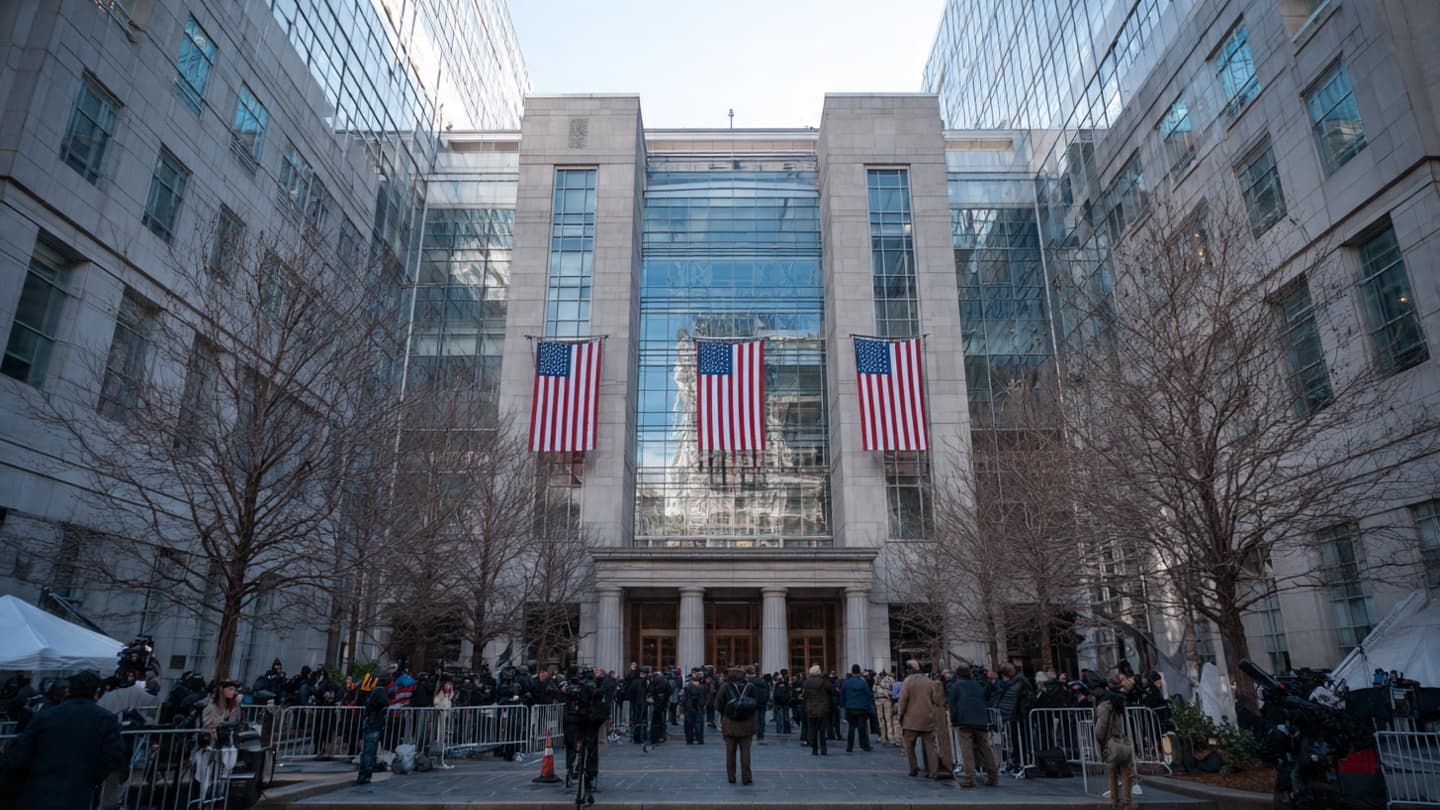
The law often moves like a river through a changing landscape. At times its path appears direct and certain; at others it winds through unexpected turns before arriving at a destination that reshapes the terrain around it. Such was the atmosphere surrounding the federal criminal case against Kilmar Abrego Garcia, a case that became intertwined with one of the most closely watched immigration disputes in the United States.
On May 22, 2026, U.S. District Judge Waverly Crenshaw dismissed criminal charges against Abrego Garcia, a Salvadoran migrant whose deportation and subsequent return to the United States had already generated months of legal and political debate. The charges involved allegations of human smuggling connected to a 2022 traffic stop in Tennessee.
The ruling did not center on a conventional examination of guilt or innocence regarding the underlying allegations. Instead, Judge Crenshaw focused on how the prosecution was initiated. In his opinion, the court found evidence suggesting that the criminal case was pursued in retaliation after Abrego Garcia successfully challenged his deportation through the courts.
Abrego Garcia had previously been deported to El Salvador despite a 2019 immigration court order that protected him from removal to that country because of concerns regarding potential persecution. The federal government later acknowledged that his deportation occurred in error, triggering a lengthy legal effort aimed at securing his return.
Following judicial intervention, including involvement by the U.S. Supreme Court, federal authorities facilitated his return to the United States. Shortly afterward, prosecutors revived an investigation tied to the Tennessee traffic stop and brought criminal charges that had not originally resulted in prosecution.
The judge determined that the sequence of events raised serious concerns. According to the ruling, evidence presented in court suggested that the reopening of the investigation and subsequent indictment were connected to Abrego Garcia’s successful legal challenge rather than newly discovered evidence alone.
Defense attorneys argued throughout the proceedings that the prosecution represented retaliation for exercising legal rights. Government lawyers rejected that characterization and maintained that the criminal allegations were supported by evidence gathered during the investigation. Despite those arguments, the court concluded that the presumption of vindictive prosecution had not been overcome.
The Justice Department responded by criticizing the decision and announcing plans to appeal. Officials argued that the court had reached the wrong conclusion and defended the legitimacy of the investigation. As a result, legal proceedings connected to the matter may continue in appellate courts.
Beyond the immediate legal outcome, the case has become a focal point in broader national discussions regarding immigration enforcement, prosecutorial discretion, and the relationship between executive authority and judicial oversight. Supporters of Abrego Garcia viewed the ruling as an affirmation of due process protections, while administration officials continued to defend their actions.
For now, the criminal case has been dismissed, marking a significant chapter in a legal saga that traveled from immigration courts to federal courtrooms and attracted national attention. Whether additional appeals or immigration proceedings follow, Judge Crenshaw’s ruling has become a notable moment in the continuing debate over immigration policy and the limits of prosecutorial power.
AI Image Disclaimer
Images in this article are AI-generated illustrations, meant for concept only.
Sources
Reuters, Associated Press, ABC News, The Washington Post, NPR
Note: This article was published on BanxChange.com and is powered by the BXE Token on the XRP Ledger. For the latest articles and news, please visit BanxChange.com