Scientific discovery often begins with observation. Before researchers can understand a disease, they must first see it clearly. In laboratories across France, scientists are working to improve that process through a new national bioimaging infrastructure supported by artificial intelligence technologies.
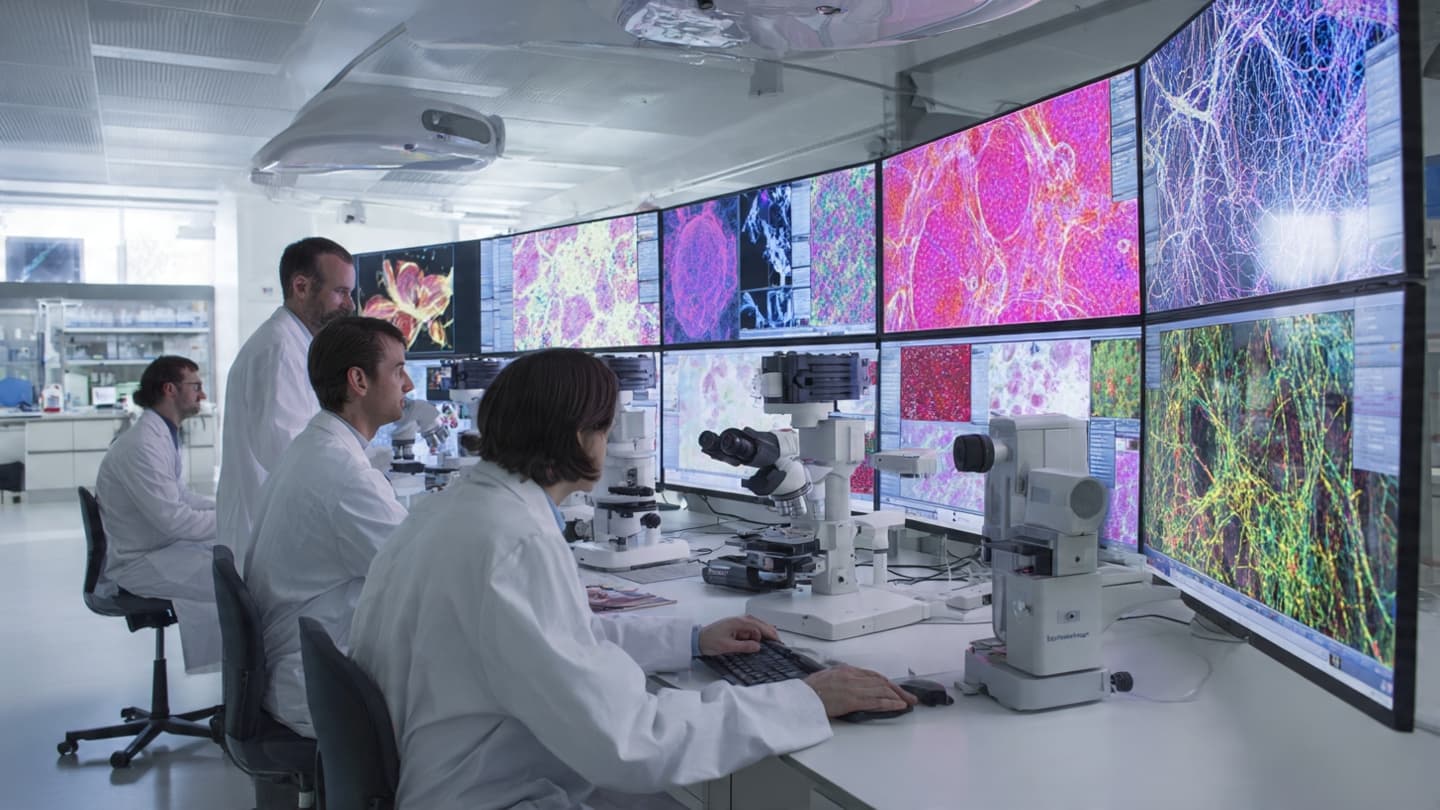
Bioimaging plays a crucial role in modern medical research. By allowing scientists to observe cells, tissues, and biological systems in remarkable detail, imaging technologies help reveal patterns that may otherwise remain hidden. These observations can contribute to advances in diagnostics, treatment development, and basic scientific understanding.
The new infrastructure aims to connect researchers with powerful imaging tools while improving access to advanced data analysis capabilities. Artificial intelligence is expected to play a central role in processing large volumes of complex biological information.
As imaging technologies become increasingly sophisticated, the amount of data generated by research projects continues to grow. AI systems can assist scientists by identifying patterns, organizing information, and accelerating analytical processes that might otherwise require significant amounts of time.
Researchers believe that improved imaging capabilities could support progress across multiple disciplines. Applications may include cancer research, neuroscience, genetics, infectious disease studies, and regenerative medicine. The ability to analyze biological systems with greater precision may help unlock new scientific insights.
Collaboration remains a key feature of the initiative. Universities, research centers, healthcare institutions, and technology specialists are contributing expertise to ensure that the infrastructure supports a wide range of scientific objectives.
The project also reflects the broader integration of artificial intelligence into scientific research. Rather than replacing human expertise, AI functions as a complementary tool capable of helping researchers manage increasingly complex datasets and experimental environments.
Investment in research infrastructure is often viewed as a long-term commitment. Benefits may not appear immediately, but such projects can create foundations for future discoveries that influence healthcare and scientific understanding for years to come.
As development continues, France's bioimaging initiative highlights the growing relationship between science and technology. By combining advanced imaging systems with artificial intelligence, researchers hope to gain clearer views into biological processes and contribute to the next generation of medical innovation.
AI Image Disclaimer Images in this article are AI-generated illustrations, meant for concept only.
Sources arXiv, France BioImaging, European Research Infrastructure Consortium, INSERM, CNRS
Published by Banx Network. This article is part of the Banx decentralized media programme, powered by the BXE token on the XRP Ledger.