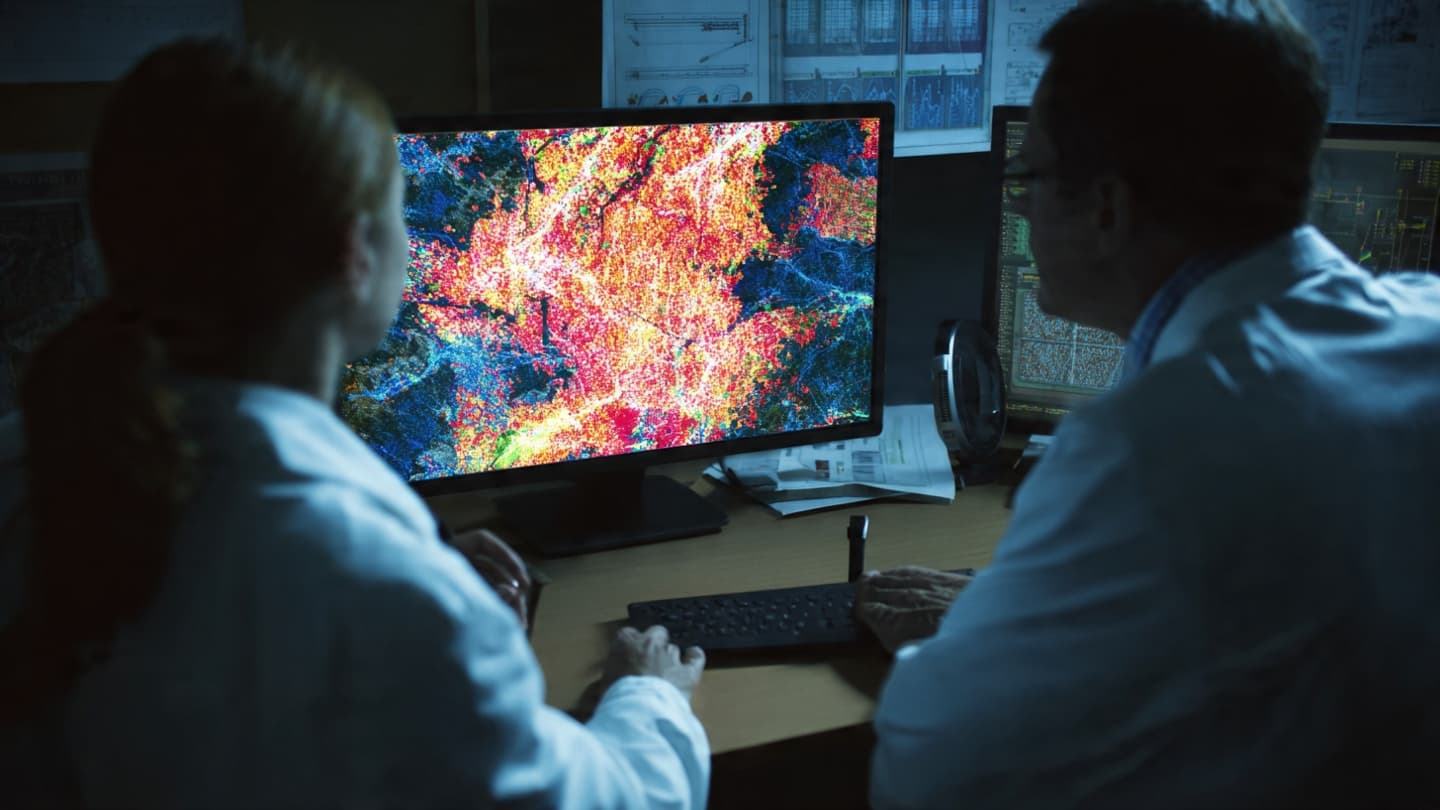
The effectiveness of public health systems often depends on information that arrives long before any emergency becomes visible. Across continents, scientists and healthcare professionals collect and analyze data that may reveal early signs of disease activity. This ongoing process forms the foundation of global disease surveillance.
Medical experts in the United States continue emphasizing the importance of international surveillance systems as a critical component of public health preparedness. They argue that strong monitoring networks help identify potential threats quickly and support coordinated responses when necessary.
Disease surveillance involves gathering information from healthcare providers, laboratories, research institutions, and public health agencies. Analysts evaluate this data to detect unusual trends, monitor outbreaks, and assess risks that could affect populations in different regions.
Globalization has increased the relevance of these systems. International travel and trade allow people and goods to move rapidly between countries, creating opportunities for infectious diseases to spread beyond their original locations. Early detection therefore remains a valuable defense.
Technological innovation has improved surveillance capabilities considerably. Real-time reporting platforms, advanced diagnostics, and genomic sequencing tools provide researchers with more detailed information than was available in previous generations. These advances contribute to faster and more accurate assessments.
Experts note that surveillance serves many purposes beyond outbreak response. Data collected through monitoring systems can support vaccine development, healthcare planning, environmental health studies, and broader scientific research initiatives.
International cooperation remains a central element of success. Health organizations often exchange information through established networks that facilitate rapid communication during unusual events. Such partnerships help ensure that important findings are shared efficiently.
Training and workforce development are also priorities. Skilled epidemiologists, laboratory specialists, data analysts, and healthcare professionals are essential for interpreting information and translating findings into effective public health action.
Public confidence can benefit from strong surveillance systems as well. Transparent communication regarding monitoring activities helps communities understand risks and supports informed decision-making during periods of uncertainty.
As medical experts continue advocating for investment in surveillance infrastructure, they emphasize a simple principle: understanding health threats early provides valuable opportunities to prepare, respond, and protect communities before challenges become more difficult to manage.
AI Image Disclaimer Visuals are created with AI tools and are not real photographs.
Source Check Credible sources identified:
Reuters Centers for Disease Control and Prevention (CDC) World Health Organization (WHO) The New York Times STAT News
Published by Banx Network. This article is part of the Banx decentralized media programme, powered by the BXE token on the XRP Ledger.