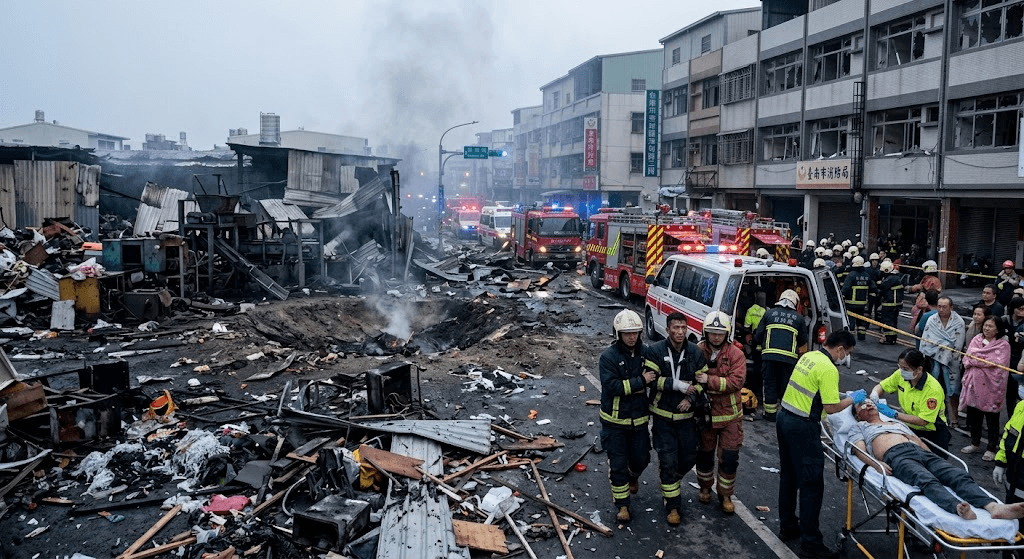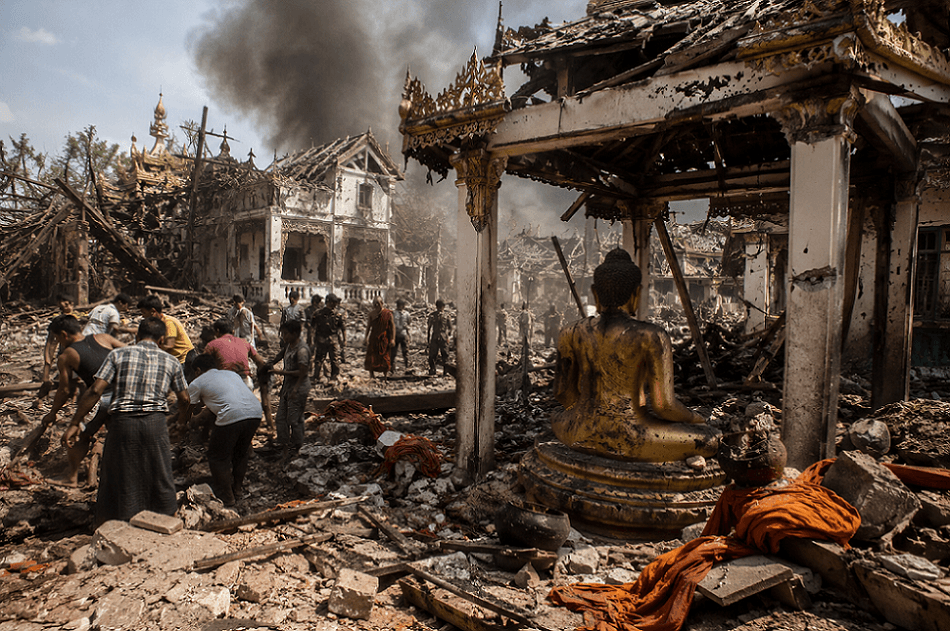
In the early hours of Monday, the sky over Kyiv was lit not by the sunrise, but by the fiery trails of missiles and drones. As the city slept, a wave of destruction descended, shattering windows and shaking foundations. This latest attack, which claimed numerous lives and damaged residential buildings, came at a sensitive diplomatic moment. With NATO leaders gathering in Ankara for a crucial summit, the strikes serve as a grim reminder that the war in Ukraine is far from over. It is a brutal assertion of power, aimed at undermining Ukrainian morale and testing the resolve of its allies.
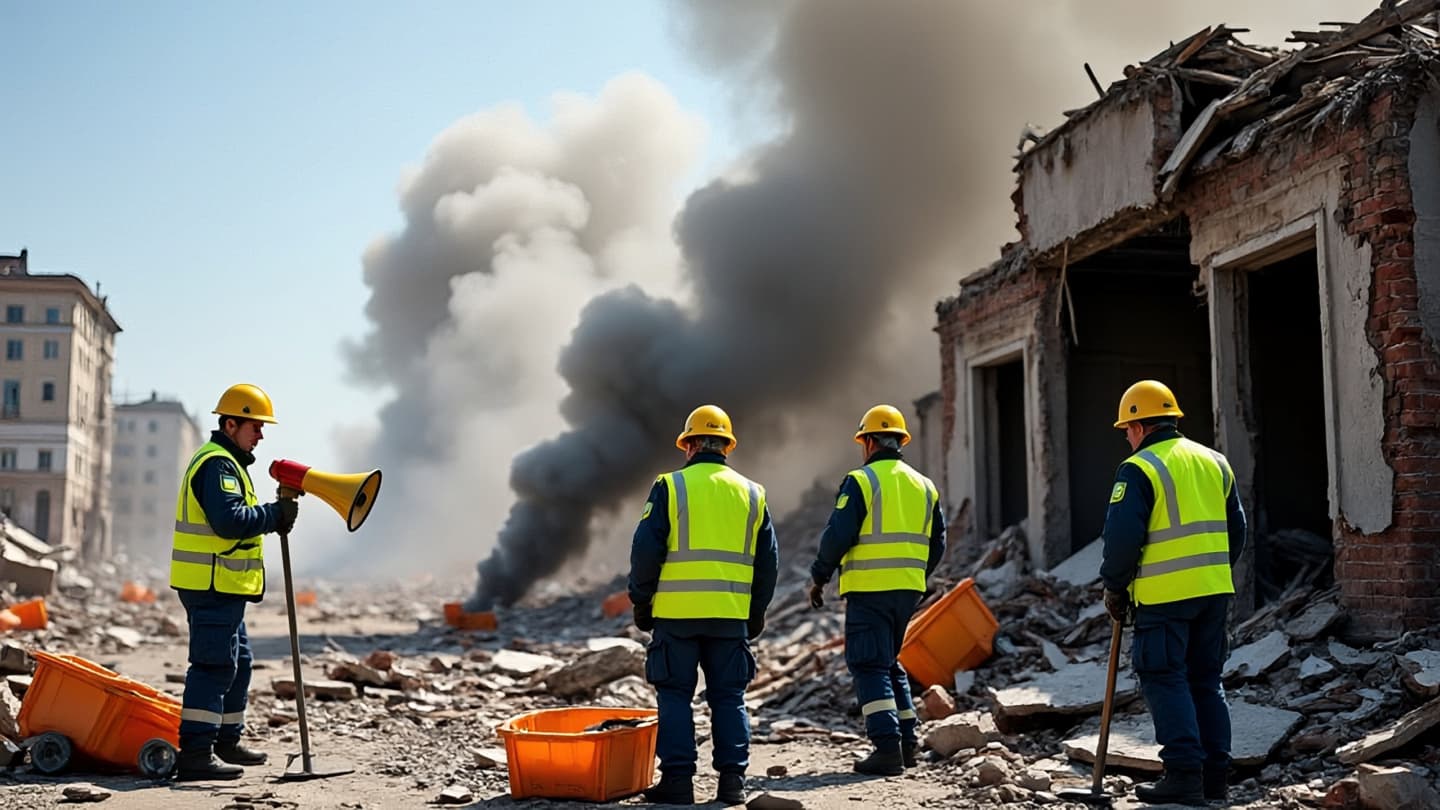
Body: The assault involved a combination of ballistic missiles, cruise missiles, and unmanned aerial vehicles. Air raid sirens wailed across the capital, sending residents scrambling for shelter in metro stations and basements. Emergency services worked tirelessly through the night to extinguish fires and rescue those trapped under rubble. The human toll was significant, with at least a dozen confirmed deaths and many more injured. The targeting of civilian infrastructure underscores the relentless nature of the conflict and its impact on everyday life.
President Volodymyr Zelenskyy responded swiftly, calling on NATO allies to make "strong decisions" at the upcoming summit. He emphasized the urgent need for advanced air defense systems and long-range weapons to protect Ukrainian cities and strike back at Russian military targets. The timing of the attack, just before the alliance meets, appears calculated to highlight the stakes of the discussion. It puts pressure on member states to commit to deeper support and faster delivery of aid.
The NATO summit in Ankara is expected to address several key issues, including continued military assistance, integration of Ukraine into Euro-Atlantic structures, and strategies for long-term security. The attacks on Kyiv add urgency to these deliberations. Leaders must balance their commitment to Ukraine with concerns about escalation and domestic political pressures. The unity of the alliance will be tested as they formulate a cohesive response to Russia’s aggression.
Russia has justified its strikes as necessary measures to degrade Ukraine’s military capabilities and decision-making centers. However, the widespread damage to civilian areas suggests a broader strategy of terror and intimidation. International condemnation has been swift, with many countries labeling the attacks as war crimes. Yet, diplomatic words alone have not stopped the bombs. Effective action requires tangible support and strategic coordination.
For the people of Kyiv, resilience has become a way of life. Despite the fear and loss, the city continues to function. Schools reopen, businesses operate, and communities support one another. This spirit of endurance is a powerful force, but it cannot replace the need for protection. Every strike weakens the fabric of society, causing trauma that will last for generations. The international community’s response will determine whether this resilience is enough to sustain the nation.
The geopolitical implications extend beyond Ukraine. The war has reshaped European security architecture, prompting increased defense spending and closer cooperation among NATO members. The outcome of the conflict will influence global power dynamics for decades. A failure to support Ukraine could embolden other aggressors, while a successful defense could reinforce the rules-based international order. The stakes are high, and the choices made in Ankara will resonate far beyond the conference room.
As the dust settles in Kyiv, the focus turns to the diplomats in Turkey. Their decisions will shape the next phase of the war. Will they provide the tools needed to secure the skies? Will they offer a clear path to victory? The people of Ukraine wait for answers, hoping that their sacrifice will not be in vain. The world watches, aware that history is being written in real time.
Closing: Deadly Russian strikes on Kyiv have intensified ahead of the NATO summit in Ankara, highlighting the ongoing severity of the war. President Zelenskyy has urged allies to take strong action, emphasizing the need for enhanced defense capabilities. The international community faces a critical test of unity and commitment.
AI Image Disclaimer: Please be aware that the visual aids in this piece are AI-generated interpretations designed to support the narrative of the conflict respectfully.
Sources: NBC News Al Jazeera The Guardian NPR
Note: This article was published on BanxChange.com and is powered by the BXE Token on the XRP Ledger. For the latest articles and news, please visit BanxChange.com