In the quiet, landlocked waters of the Caspian Sea, far from the frontlines of eastern Ukraine, a new and dangerous chapter in the conflict has opened. Iran has formally accused Kyiv of launching a deadly drone strike on an Iranian commercial vessel, resulting in the death of a sailor and injuries to others. This incident marks a significant escalation, bringing the war’s reach into a region previously considered a secure backyard for Tehran and Moscow, and raising the specter of a broader regional confrontation.
The attack underscores the increasingly global nature of the war, where supply lines and logistical networks stretch across continents. For Iran, a key supplier of military hardware to Russia, the strike is not just an economic loss but a direct challenge to its strategic interests and national sovereignty.
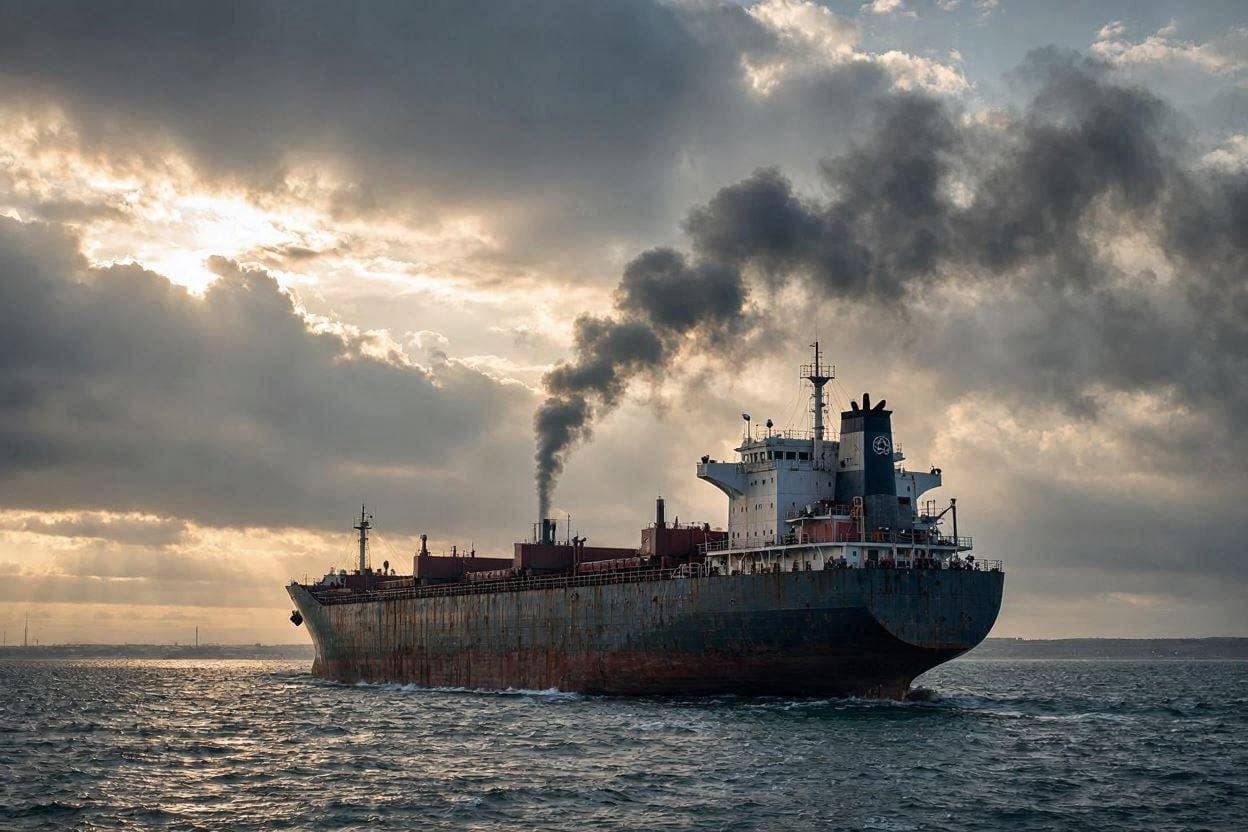
Body: According to Iranian officials, the cargo ship was ferrying military supplies between Iran and Russia when it was targeted by Ukrainian drones. The explosion caused significant damage to the vessel and resulted in casualties among the crew. Tehran has condemned the act as "criminal" and "hostile," warning that it will respond with unforeseen consequences if such attacks continue.
Ukraine, for its part, has acknowledged the strike, stating that the vessel was a legitimate target due to its role in supporting Russia’s war effort. President Volodymyr Zelensky emphasized that disrupting the flow of weapons and components from Iran is a crucial part of Ukraine’s defense strategy. This admission highlights Kyiv’s willingness to extend its operational reach to protect its national security.
The Caspian Sea, shared by five nations, has long been a zone of relative stability and cooperation. However, this incident threatens to destabilize the region, drawing in other actors and complicating diplomatic relations. Russia, which relies heavily on Iranian drones and missiles, has vowed to strengthen its partnership with Tehran in response to the attack.
International observers are watching closely, concerned that the expansion of the conflict could lead to unintended escalations. The involvement of Iran, a major regional power, adds a layer of complexity to an already volatile situation. Diplomatic efforts to contain the war within Europe’s borders are now being tested by these long-range strikes.
For the families of the victims, the tragedy is a stark reminder of the human cost of war, even for those far from the battlefield. The sailor’s death has sparked mourning in Iran and raised questions about the risks faced by merchant mariners in conflict zones. Their safety is often overlooked in geopolitical calculations, yet they bear the brunt of these strategic decisions.
The legal implications of attacking a commercial vessel in international or shared waters are also significant. While Ukraine argues that the ship was part of a military supply chain, Iran views it as an act of terrorism. This divergence in perspective makes resolution difficult and increases the risk of retaliatory measures.
As tensions rise, the focus shifts to how both sides will manage the aftermath. Will Iran seek direct retaliation, or will it use proxy forces? Will Ukraine continue to target supply lines in the Caspian? These questions remain unanswered, leaving the region in a state of heightened alert.
The incident also highlights the role of technology in modern warfare. Drones allow smaller nations to project power over vast distances, challenging traditional notions of security and defense. The Caspian strike is a testament to this new reality, where no location is truly safe from the reach of conflict.
Closing: The deadly attack on an Iranian vessel in the Caspian Sea marks a troubling expansion of the Ukraine war. It serves as a warning that localized conflicts can have global repercussions, affecting lives and stability far beyond their original borders.
AI Image Disclaimer: The visuals accompanying this article are AI-generated illustrations designed to reflect the strategic importance of the Caspian Sea and the tension of the incident.
Sources: Reuters The Guardian Al Jazeera UPI
Note: This article was published on BanxChange.com and is powered by the BXE Token on the XRP Ledger. For the latest articles and news, please visit BanxChange.com