On May 30, 2026, Malta initiated its parliamentary elections amid high expectations that the ruling Labour Party, led by Prime Minister Robert Abela, will comfortably win a fourth consecutive term. Abela called a snap election only four years into the current five-year term, citing impending challenges for Malta due to the unpredictable international situation.
The Maltese economy is among the best-performing within the European Union, boasting a 4% growth last year, with low inflation and virtually no real unemployment. Power and fuel prices have been stable for nearly a decade, making them some of the lowest in Europe.
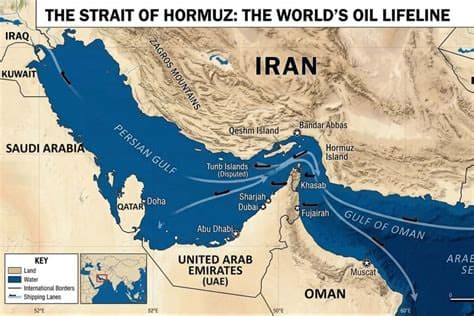
Despite these strengths, concerns linger regarding potential inflation spikes linked to the Middle Eastern conflict, which could affect Malta's reliance on imports and threaten its vital tourism sector as aviation fuel prices rise.
Opinion polls consistently show Labour is likely to achieve a comfortable majority again, mirroring electoral successes in 2013, 2017, and 2022. The political landscape features six parties, but only the Labour Party and the opposition Nationalist Party, led by Alex Borg, have held parliamentary representation since 1966.
Abela has focused his campaign on the strength of Malta’s economy, promising stability and competence. Conversely, the Nationalist Party has expressed discontent, claiming that the strong economy hasn’t translated to an improved quality of life for many Maltese citizens. They’ve highlighted issues stemming from a significant influx of migrant workers, which has led to rising rental prices, overcrowding, and increased pressure on public infrastructure and health services.
Results from the election are anticipated around midday on Sunday, which will reveal whether Labour can continue its electoral dominance in the face of emerging social challenges.
Published by Banx Network. This article is part of the Banx decentralized media programme, powered by the BXE token on the XRP Ledger.