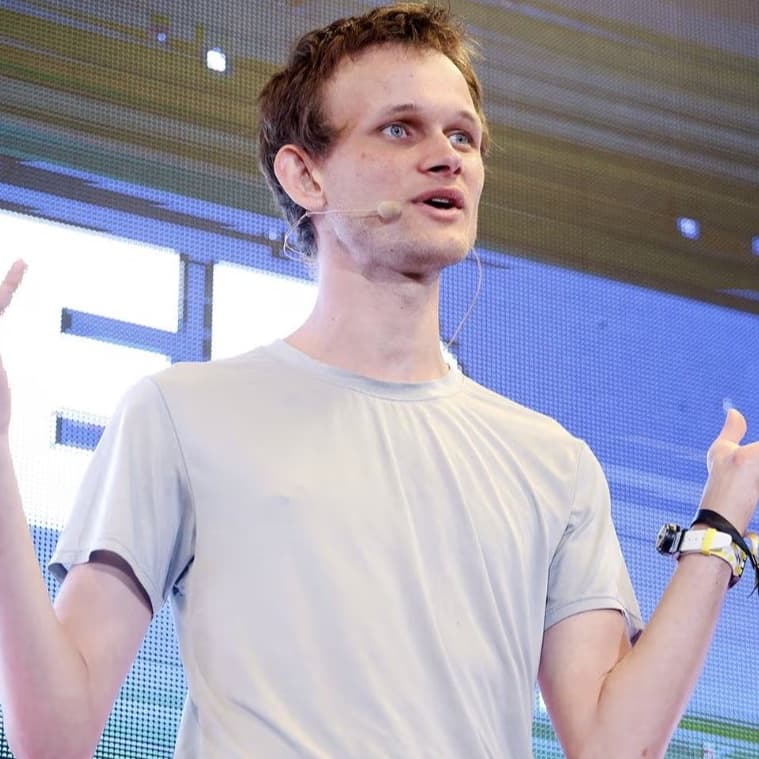
The future of Ethereum may have just taken a dramatic turn. Ethereum co-founder Vitalik Buterin has revealed an ambitious three-year roadmap called "Lean Ethereum," a vision that aims to redefine how the world's second-largest blockchain operates. If successful, this transformation could make Ethereum significantly faster, more secure, and ready to handle the next generation of decentralized applications.
The announcement has already sent shockwaves across the cryptocurrency community, with investors, developers, and blockchain enthusiasts closely analyzing what could become Ethereum's most important evolution since its transition to Proof-of-Stake.
At the heart of the roadmap is native STARK verification, an advanced cryptographic technology designed to improve scalability while maintaining high security standards. By integrating STARK proofs directly into Ethereum, the network could process transactions more efficiently without sacrificing decentralization—a long-standing challenge in blockchain development.
Another major highlight is Ethereum's push toward quantum-resistant cryptography. While practical quantum computers capable of breaking today's encryption may still be years away, Buterin's proposal demonstrates a proactive approach. Preparing Ethereum for future security threats could ensure that users' assets remain protected even as computing technology advances.
Perhaps the most exciting feature for everyday users is the promise of more than a 10x reduction in transaction costs. High gas fees have been one of Ethereum's biggest criticisms, especially during periods of heavy network activity. Lower fees could encourage greater adoption of decentralized finance (DeFi), NFTs, gaming, and enterprise blockchain solutions.
The roadmap also proposes higher gas limits, allowing the network to process more transactions within each block. Combined with protocol optimizations, Ethereum could deliver smoother performance and significantly reduce network congestion.
Industry experts believe this strategy reflects Ethereum's long-term commitment to staying ahead of competing smart contract platforms. As rival blockchains continue to promote lower fees and faster speeds, Ethereum's ability to innovate will be critical in maintaining its dominant position.
However, transforming one of the world's largest decentralized networks won't happen overnight. Implementing these upgrades will require extensive research, community consensus, developer collaboration, and rigorous security testing. Every proposed improvement must be carefully reviewed before becoming part of the Ethereum protocol.
Market analysts suggest that if the roadmap unfolds as planned, Ethereum could strengthen its position as the leading infrastructure for Web3 innovation. Investors are expected to monitor development milestones closely, as successful implementation may influence long-term market sentiment and ecosystem growth.
While timelines remain flexible, one thing is clear: Vitalik Buterin is thinking beyond today's blockchain challenges. His vision focuses not only on speed and affordability but also on ensuring Ethereum remains resilient against future technological threats.
The next three years could determine whether Ethereum enters a new era of scalability, security, and global adoption—or faces increasing pressure from faster-moving competitors. For the crypto industry, this roadmap is more than an upgrade plan; it could define the future of decentralized technology.
Published by Banx Network. This article is part of the Banx decentralized media programme, powered by the BXE token on the XRP Ledger.


.jpg&w=3840&q=75 "The Artemis Revolution: How NASA Plans to Build Humanity's Future on the Moon")