
Key Highlights
- Trump’s confidence in military readiness contrasts with on-ground realities.
- Gulf allies influenced the delay of military action against Iran.
- Economic concerns complicate the narrative of victory in the region.
The sound of victory in politics often resembles a drumbeat carried across a crowded square. It is loud, deliberate, and designed to reassure supporters that control remains intact. Yet history has often shown that wars are not measured solely by speeches delivered from podiums or messages posted in moments of confidence. They are measured by consequences that continue long after the applause fades.
In recent months, former U.S. President Donald Trump has repeatedly projected confidence regarding tensions involving Iran and the broader Middle East conflict. Public statements emphasizing strength, pressure, and military readiness were intended to present an image of decisive leadership. However, analysts and observers increasingly argue that the rhetoric has struggled to align with realities unfolding on the ground.
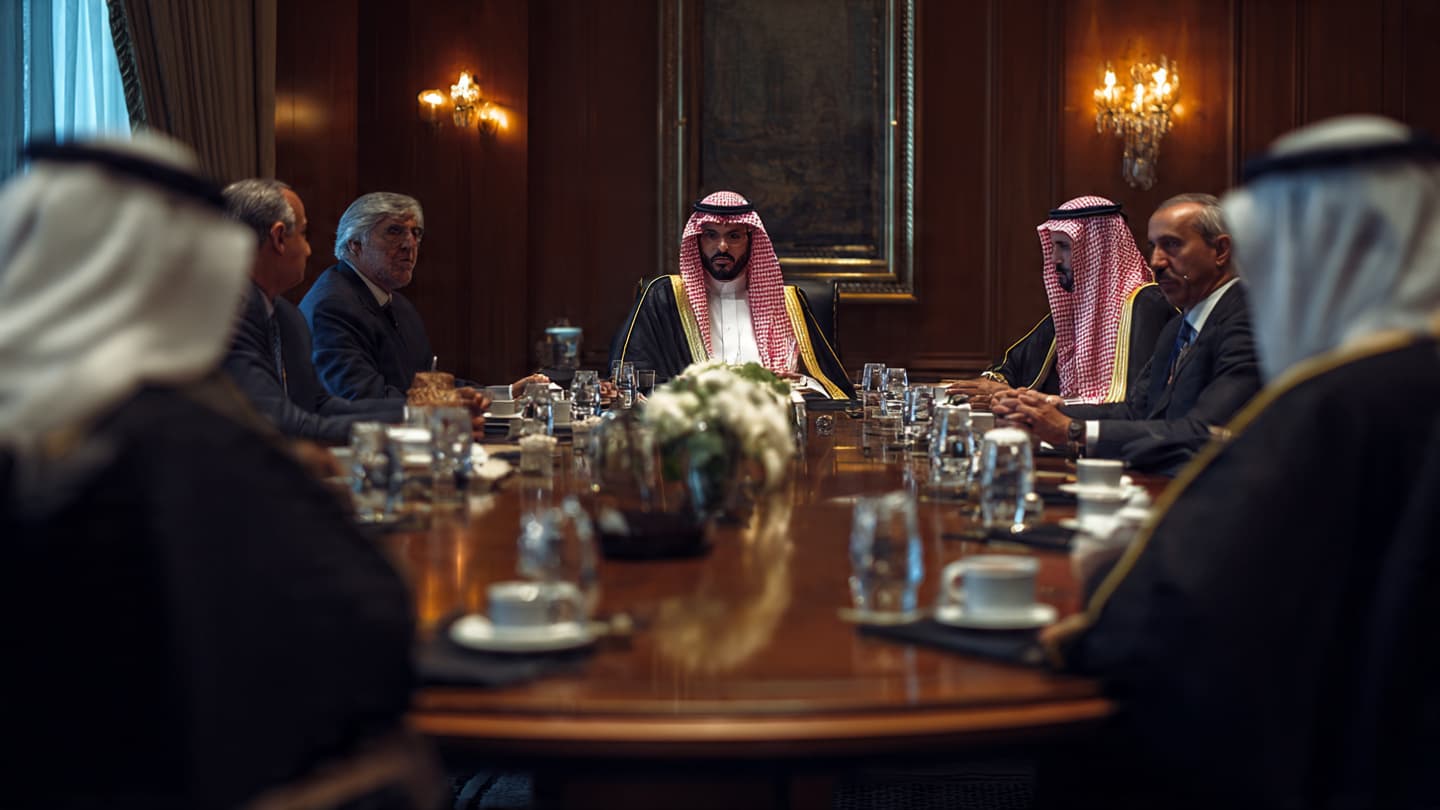
Reports from several international media organizations indicate that Trump recently delayed a planned military strike against Iran after requests from Gulf allies, including Qatar, Saudi Arabia, and the United Arab Emirates. This decision highlighted how regional diplomacy and economic concerns continue to shape military calculations, even when public messaging appears uncompromising. The pause in military action also reflected wider anxieties across the global economy, as oil markets reacted immediately to the possibility of renewed conflict in the Strait of Hormuz, one of the world’s most important energy corridors.
Analysts noted that even temporary uncertainty can unsettle markets and complicate political narratives built around control and certainty. The interplay between military readiness and economic stability has become a critical factor in the decision-making process, as regional actors weigh the implications of conflict against the backdrop of their own national interests.
At the same time, some political commentators suggested that repeated declarations of imminent victory may weaken credibility if military or diplomatic outcomes remain unresolved. Commentary in major American publications described a gap between rhetorical confidence and strategic clarity, particularly as tensions with Iran continued without a clear endpoint. This disconnect raises questions about the effectiveness of such rhetoric in achieving tangible results.
Regional actors also appear increasingly cautious about escalation. Gulf states, while aligned with Washington on several security issues, have reportedly prioritized stability and negotiations over broader confrontation. Their intervention in persuading Trump to delay strikes demonstrated how allies often balance security cooperation with fears of economic disruption and regional instability. This cautious approach reflects a growing recognition that military solutions may not yield the desired outcomes in a complex geopolitical landscape.
Meanwhile, Iran has continued presenting diplomatic proposals through intermediaries while maintaining firm public messaging regarding sovereignty and sanctions. The exchange has created a political atmosphere where neither side fully retreats, yet neither side appears eager to move toward open conflict. In such circumstances, the language of total victory can sound increasingly disconnected from the slower, more complicated mechanics of diplomacy.
Public perception also plays a role. In the digital era, declarations of success travel quickly, but so do questions, criticism, and economic anxieties. Online discussions and political commentary have reflected growing skepticism toward simplified narratives about military success, especially in conflicts involving multiple regional actors and long-term geopolitical risks. The narrative of victory is often challenged by the realities faced by those living in the affected regions.
For now, the situation remains fluid. Diplomatic channels remain open, military preparations continue in the background, and the broader Middle East watches carefully. The story unfolding around Trump’s rhetoric may ultimately reveal less about a single political figure and more about how modern conflicts resist simple declarations of triumph. As the complexities of international relations continue to evolve, the need for nuanced understanding and strategic foresight becomes ever more critical.
Published by Banx Network. This article is part of the Banx decentralized media programme, powered by the BXE token on the XRP Ledger.



