
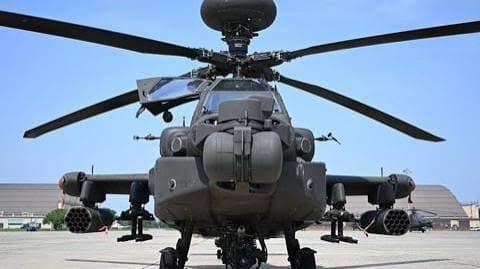
In a significant escalation of hostilities in the region, the United States and Iran engaged in exchanges of fire after an American patrol helicopter was shot down over the Hormuz Strait. The incident has triggered a strong military response from U.S. forces, intensifying already strained relations between the two nations.
Reports indicate that the helicopter, while conducting routine surveillance operations, was targeted by a missile launched from Iranian positions. The U.S. military confirmed the loss of the aircraft and stated that there were no casualties among the crew, who were able to safely eject.
In retaliation, U.S. forces carried out precision strikes against suspected Iranian missile installations involved in the attack. Eyewitness accounts describe a series of explosions as military assets from both sides fired upon each other, raising fears of a broader conflict.
The Hormuz Strait is a critical maritime chokepoint for global oil shipments, heightening concerns among international leaders about the implications of this confrontation on global security and oil prices. Governments worldwide are urging restraint, as diplomatic efforts are becoming increasingly vital to avert a larger military confrontation.
As military engagements continue, the U.S. administration has emphasized its commitment to protecting its personnel and interests in the region. Iranian officials have warned of severe repercussions for any aggressive actions taken by the U.S., further complicating the situation.
The confrontation underscores the fragile state of affairs in the Persian Gulf and poses grave implications for regional and international stability as both nations face pressure from various geopolitical factors.
Note: This article was published on BanxChange.com and is powered by the BXE Token on the XRP Ledger. For the latest articles and news, please visit BanxChange.com