
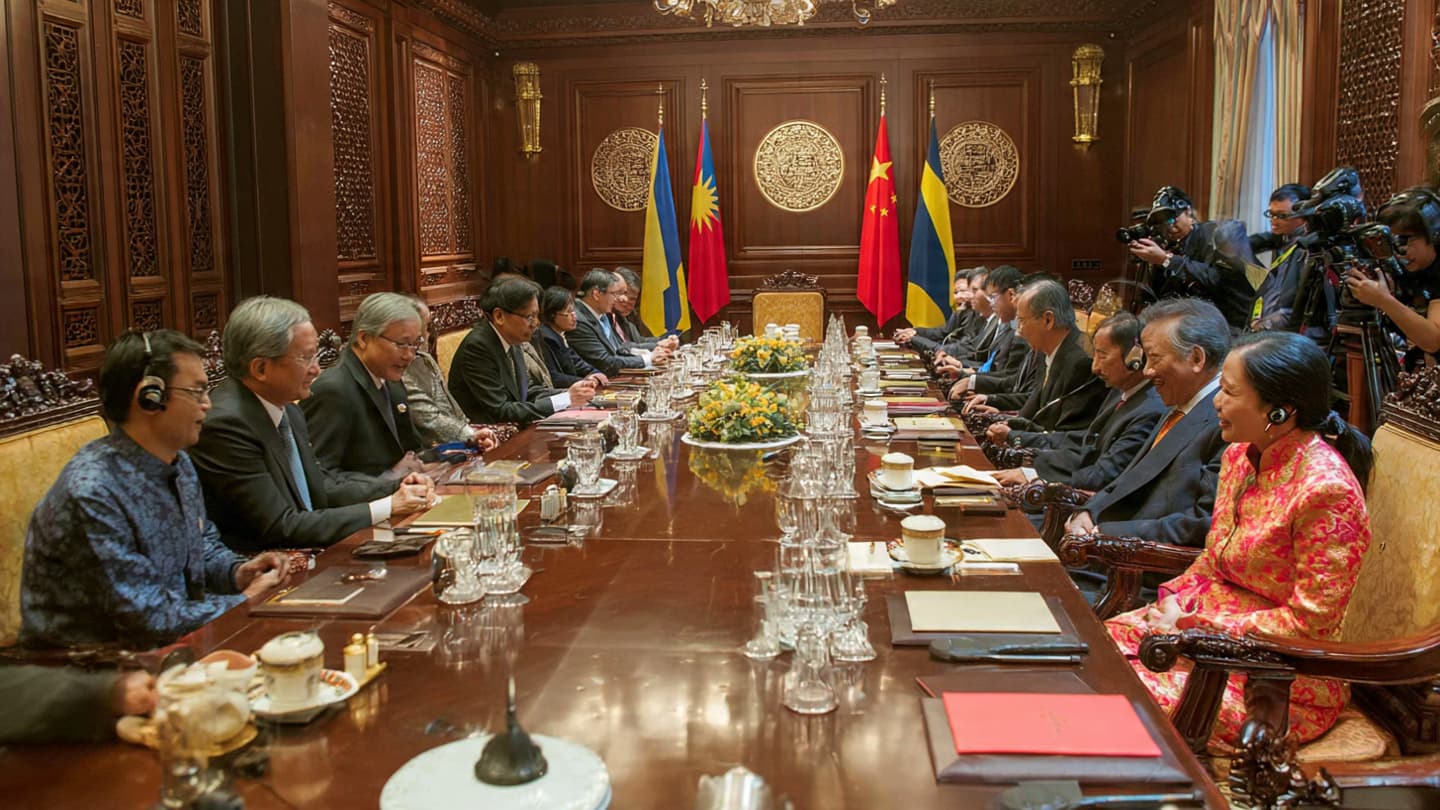
Diplomatic relationships often evolve gradually, shaped by history, geography, and changing global circumstances. Some partnerships endure through decades of transformation, adapting to new realities while maintaining longstanding foundations. The latest reaffirmation of cooperation between China and North Korea reflects one such relationship, drawing attention from observers across the international community.
The announcement emphasizes continued dialogue and engagement between the two neighboring countries. While diplomatic statements frequently focus on stability and cooperation, they also serve as signals regarding broader regional priorities and strategic considerations.
China and North Korea share a unique historical connection that has influenced regional affairs for generations. Geography alone creates strong incentives for ongoing communication, while economic and security considerations further reinforce the importance of maintaining diplomatic channels.
Regional stability remains a recurring theme within discussions involving both countries. Governments throughout Asia closely monitor developments that could influence economic activity, trade relationships, and broader security dynamics. As a result, diplomatic interactions between major regional actors often attract considerable international attention.
Economic cooperation continues to represent an area of interest. Trade, infrastructure, and cross-border engagement can contribute to development objectives while supporting broader regional connectivity. Though challenges remain, economic considerations frequently play a significant role in diplomatic discussions.
Observers note that international diplomacy often operates through incremental progress rather than dramatic breakthroughs. Meetings, statements, and exchanges may appear routine on the surface, yet they can provide insight into evolving priorities and future directions.
The broader geopolitical environment also shapes these interactions. As global relationships continue evolving, countries frequently reassess partnerships and seek opportunities to strengthen strategic connections. Cooperation initiatives often reflect both immediate objectives and long-term planning.
Analysts emphasize that diplomacy is rarely static. Relationships change over time as governments respond to economic conditions, security concerns, and shifting international circumstances. Maintaining dialogue allows nations to navigate these complexities while preserving opportunities for cooperation.
As China and North Korea reaffirm their commitment to engagement, attention remains focused on how such cooperation may influence regional developments in the years ahead. While specific outcomes may take time to emerge, the continued emphasis on dialogue underscores the enduring role diplomacy plays in shaping international relations.
AI Image Disclaimer Visuals are created with AI tools and are not real photographs.
Source Check Reuters Associated Press BBC News Bloomberg Nikkei Asia
Note: This article was published on BanxChange.com and is powered by the BXE Token on the XRP Ledger. For the latest articles and news, please visit BanxChange.com