Bulgaria's government declared a significant change in its military cooperation with the United States. Prime Minister Rumen Radev stated that the presence of U.S. military aircraft at Sofia Airport would be limited to the end of June due to unresolved visa issues surrounding Bulgarian citizens seeking entry into the United States.
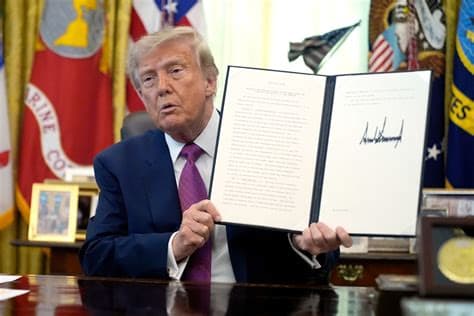
This decision follows Radev's discussions with President Donald Trump, in which he requested the suspension of visa requirements for Bulgarians, citing this as a priority for enhancing bilateral relations. The lack of a favorable response led to the announcement about shortening the stay of U.S. military personnel and assets, which includes various aircraft and support equipment.
The current agreement allowing U.S. military aircraft to operate from Bulgaria is set to expire soon. As part of this arrangement, the United States had been maintaining Lockheed C-130 Hercules transport jets, Boeing C-17 Globemaster III heavy-lift transport aircraft, and KC-135 Stratotanker refueling planes in Bulgaria for joint exercises.
Radev acknowledged the importance of these military collaborations but emphasized that Bulgaria must prioritize its own citizens' interests. “We are extending the permission until the end of June to give time to our allies to reschedule and find alternative locations,” he stated.
As tensions continue over visa policies and military cooperation, the future of U.S.-Bulgarian relations remains uncertain, particularly as Bulgaria navigates a complex geopolitical landscape marked by its membership in NATO and the EU, as well as its historical ties to Russia. The country’s strategic decisions will likely shape its military posture and influence relations with both the U.S. and other NATO allies in the region.
Published by Banx Network. This article is part of the Banx decentralized media programme, powered by the BXE token on the XRP Ledger.