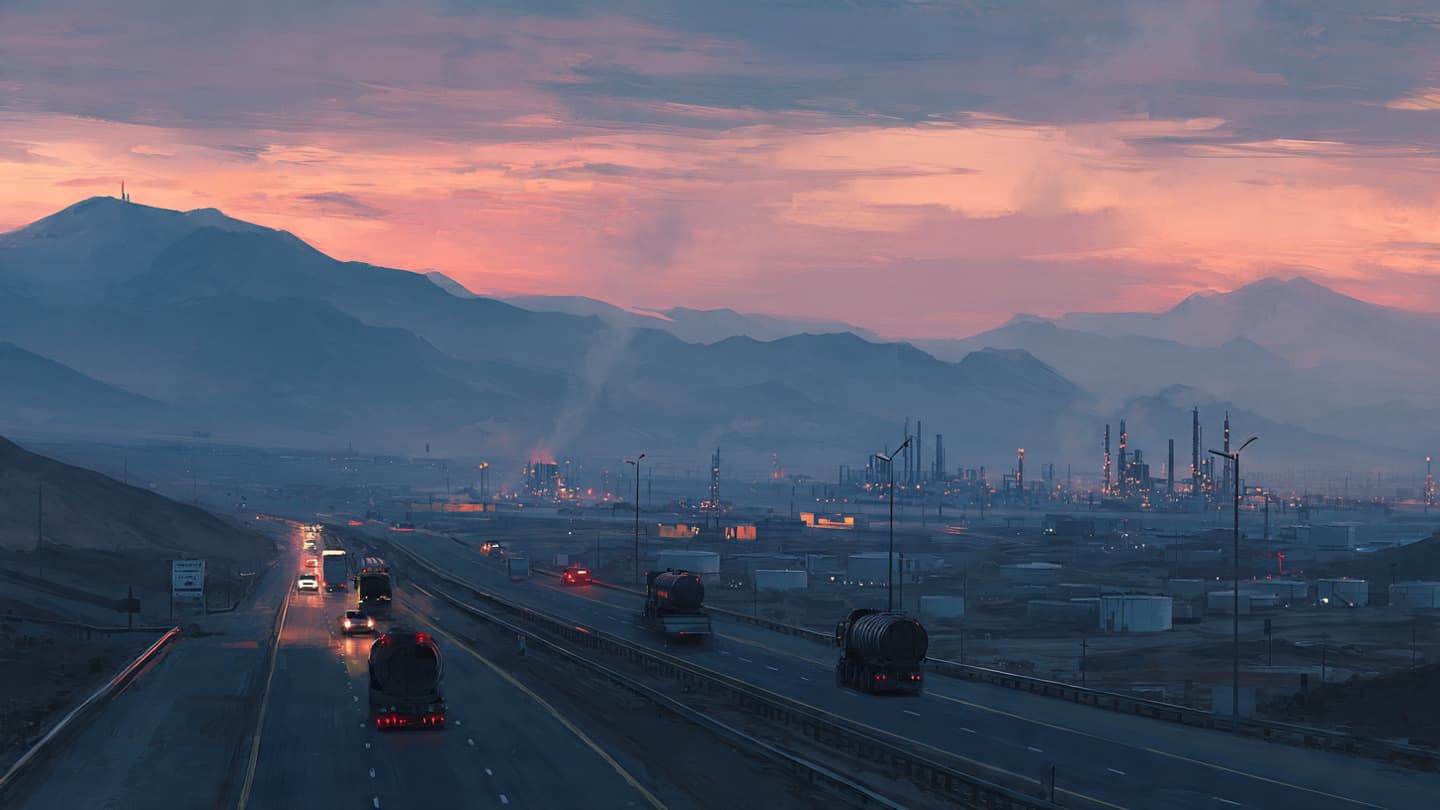
The nights along Iran’s southern coastline often arrive slowly, with the heat lingering long after sunset. In the ports facing the Gulf, cranes continue their patient movement above dark water, fishing boats drift beneath sodium lights, and highways carry the restless rhythm of fuel trucks between desert towns. Yet in recent days, another sound has entered the atmosphere — the distant language of aircraft, alarms, and the careful sentences of governments measuring consequence against restraint.
After U.S. strikes reportedly targeted facilities in southern Iran, Iranian officials responded with warnings of retaliation, adding another tense chapter to a region long accustomed to living between uncertainty and endurance. The attacks, which American officials described as directed at military-linked infrastructure, unfolded against the backdrop of widening regional instability, where waterways, oil routes, and military outposts exist in a fragile balance that can shift within hours.
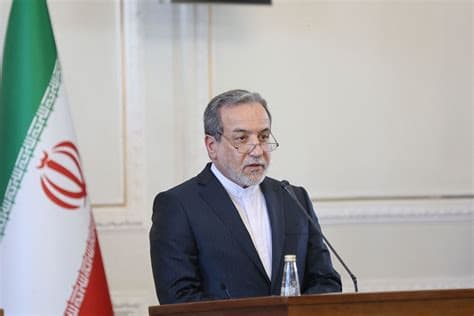
In Tehran, statements from senior leaders carried both anger and calculation. Officials warned that Iran would respond “at the appropriate time and place,” language familiar to the diplomatic weather of the region, where retaliation is often spoken of like an approaching storm — visible first as pressure in the air before its arrival becomes known. Military commanders and state media framed the strikes as violations of sovereignty, while emphasizing that Iranian capabilities remained intact.
The southern provinces, where mountains descend toward the Gulf and industrial complexes sit against expanses of sand and salt air, have long held strategic importance. Ports near the Strait of Hormuz remain among the world’s most sensitive maritime corridors, through which a significant share of global oil traffic passes each day. Even limited military exchanges in these waters carry echoes far beyond the shoreline, unsettling shipping markets, insurance routes, and diplomatic channels stretching from Washington to Beijing.
For residents of the region, tension often arrives not as spectacle but as interruption. Flights are rerouted. Checkpoints multiply along highways. Conversations lower in cafés. The ordinary pace of life adjusts itself quietly around the possibility of escalation. In cities near the Gulf, people continue shopping in evening markets and gathering for tea, even as television screens replay satellite imagery and maps marked with arrows and impact zones.
American officials defended the strikes as necessary responses tied to broader security concerns in the Middle East, particularly involving regional militias and threats to U.S. personnel. Yet the language emerging from both capitals has revealed how narrow the space for miscalculation may have become. Diplomacy continues behind closed doors through intermediaries and allied governments, even while public rhetoric hardens.
Across neighboring states, reactions have been measured but uneasy. Gulf nations, many of which maintain delicate relationships with both Washington and Tehran, have called for restraint while reinforcing security around energy infrastructure and maritime routes. The memory of previous confrontations — tanker seizures, missile attacks, drone incidents — remains close beneath the surface of regional politics, like heat trapped in stone after sunset.
The wider international community now watches for signs of what retaliation may mean in practice. Analysts have pointed toward the possibility of cyber operations, proxy activity, or limited military responses calibrated to avoid full-scale war while still signaling resolve. In this region, responses are often layered rather than immediate, unfolding across weeks through networks, alliances, and symbolic gestures that carry strategic weight beyond their scale.
Meanwhile, the Strait itself continues to move with its ancient rhythm. Cargo vessels pass through narrow waters beneath surveillance aircraft and naval patrols. Oil terminals continue loading shipments destined for distant continents. Fishermen leave harbor before dawn as they have for generations, beneath skies increasingly crowded by geopolitics.
For now, the strikes and Iran’s warnings exist within that suspended space between event and consequence. The Middle East has long known such moments — periods when history seems to pause at the edge of decision, listening for what comes next across deserts, coastlines, and crowded capitals. And as officials trade warnings and calculations, ordinary life continues beneath the same warm winds that move across the Gulf each evening, carrying both silence and the possibility of another reply.
AI Image Disclaimer Illustrations were generated using AI and are intended as visual interpretations rather than authentic photographs.
Sources
Reuters Associated Press BBC News Al Jazeera The New York Times
Published by Banx Network. This article is part of the Banx decentralized media programme, powered by the BXE token on the XRP Ledger.