
In the language of alliances, some changes arrive not as ruptures but as quiet re-alignments—subtle shifts in seating arrangements at a long-held table, where the conversation continues but the structure around it adjusts almost imperceptibly. Between neighbors bound by geography and decades of coordinated defense policy, even administrative changes can carry symbolic weight.
Canadian Prime Minister Mark Carney has downplayed concerns following reports that the U.S. Department of Defense is stepping back from participation in a bilateral US–Canada military board. The body, designed to facilitate coordination on defense planning, strategic consultation, and operational alignment between the two countries, has long functioned as one of the many institutional threads holding together the broader North American security framework.
Carney’s response sought to frame the development not as a disruption, but as a procedural adjustment within a broader and still-intact alliance structure. In doing so, he emphasized continuity over change, signaling that core defense cooperation between Ottawa and Washington remains firmly in place despite adjustments in specific forums or mechanisms of engagement.
The US–Canada defense relationship is built on a dense architecture of agreements, commands, and joint operations that extend far beyond any single board or committee. NATO membership, NORAD coordination, intelligence-sharing networks, and integrated defense planning all contribute to a system in which strategic cooperation is both institutionalized and deeply embedded.
Within this wider framework, the significance of any single administrative shift depends on its practical impact rather than its symbolic appearance. Defense boards and bilateral committees often evolve over time, adapting to changing priorities, operational needs, and bureaucratic restructuring within participating governments. Such changes may reflect shifting emphasis rather than a withdrawal of commitment.
Still, in moments of geopolitical uncertainty, even procedural adjustments are often read through broader lenses. Observers of transatlantic and North American defense policy tend to interpret changes in participation or engagement as indicators—sometimes cautiously, sometimes prematurely—of evolving strategic posture. This is especially true when developments involve major defense institutions such as the Pentagon.
For Canada, the defense relationship with the United States remains foundational. Shared airspace monitoring through NORAD, coordinated maritime security in the Arctic and Atlantic regions, and integrated responses to potential continental threats continue to define the practical reality of the alliance. These structures operate continuously, often outside public attention, sustained by technical systems and long-standing institutional trust.
Against this backdrop, the reported adjustment in participation on a specific military board appears less as a strategic break and more as an administrative recalibration. Yet such recalibrations still invite scrutiny, particularly in an era where alliance cohesion is frequently tested by competing domestic priorities, budgetary pressures, and evolving global security challenges.
Carney’s downplaying of the issue reflects an effort to maintain a stable narrative of cooperation, reinforcing the idea that the underlying architecture of the US–Canada defense relationship remains unchanged. In diplomatic terms, reassurance itself becomes part of the mechanism by which continuity is preserved, especially when public attention gravitates toward signs of divergence.
The broader context of North American defense cooperation continues to be shaped by emerging challenges, including Arctic security, cyber threats, and the modernization of continental defense systems. These areas require sustained coordination, regardless of adjustments in specific institutional formats. In that sense, the alliance is less a single structure and more an evolving network of overlapping commitments.
As with many long-standing partnerships, the strength of the US–Canada defense relationship lies not only in formal agreements but in routine coordination—exercises, intelligence exchanges, and shared operational planning that rarely make headlines but form the backbone of continental security.
Seen from this perspective, the Pentagon’s reported withdrawal from a particular board does not necessarily signal distance, but rather a redistribution of attention within an already complex system. What matters more is whether the deeper channels of cooperation remain active, and by most accounts, they continue to function as they have for decades.
For now, the moment sits within a familiar pattern of allied recalibration: small institutional shifts observed, interpreted, and contextualized within a much larger framework that remains largely intact. The alliance endures not in a single meeting room or committee, but in the continuous, often invisible work of coordination that spans borders and administrations.
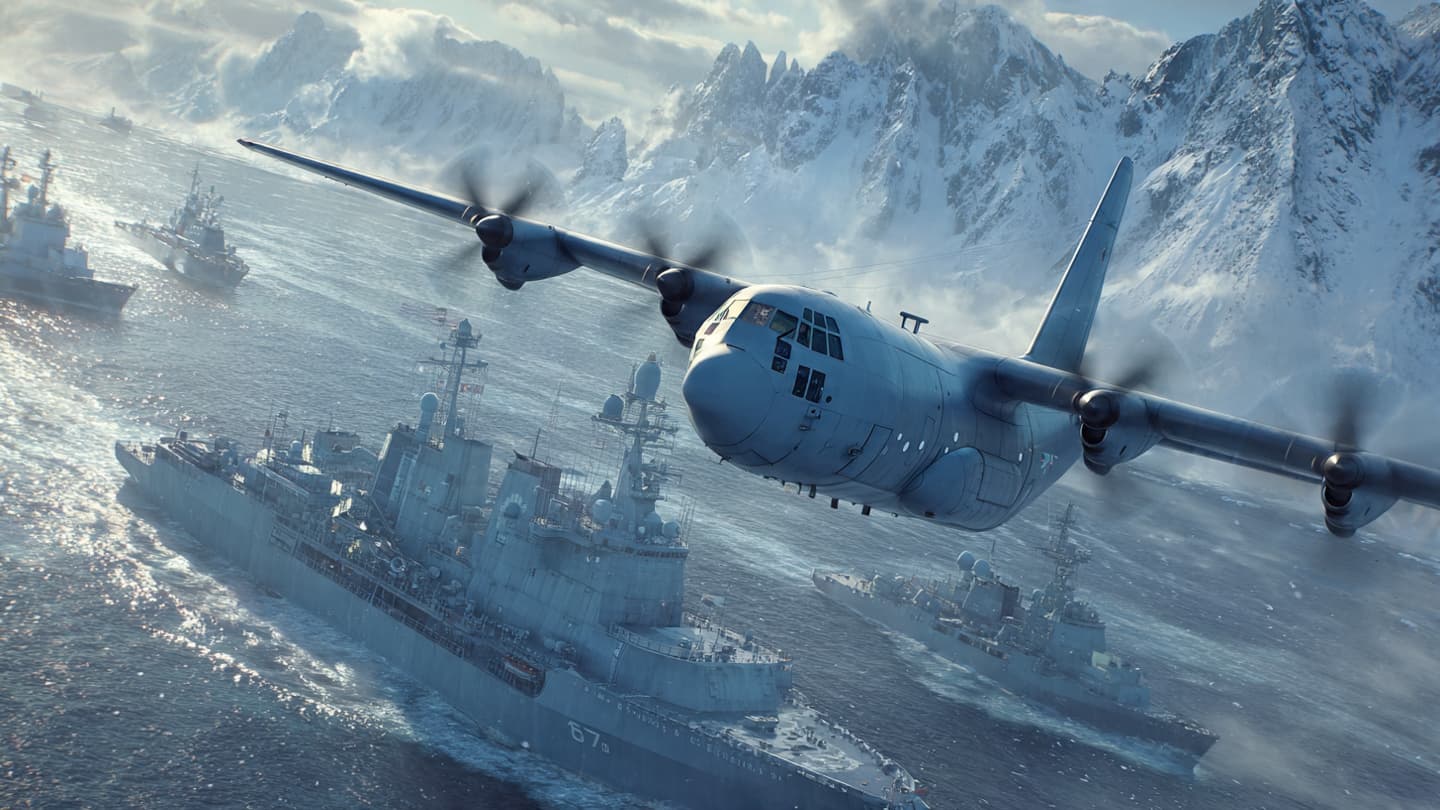
AI Image Disclaimer These visuals are AI-generated and intended as conceptual representations of defense cooperation and institutional relations.
Sources Reuters BBC News Associated Press Defense News Politico
Note: This article was published on BanxChange.com and is powered by the BXE Token on the XRP Ledger. For the latest articles and news, please visit BanxChange.com