
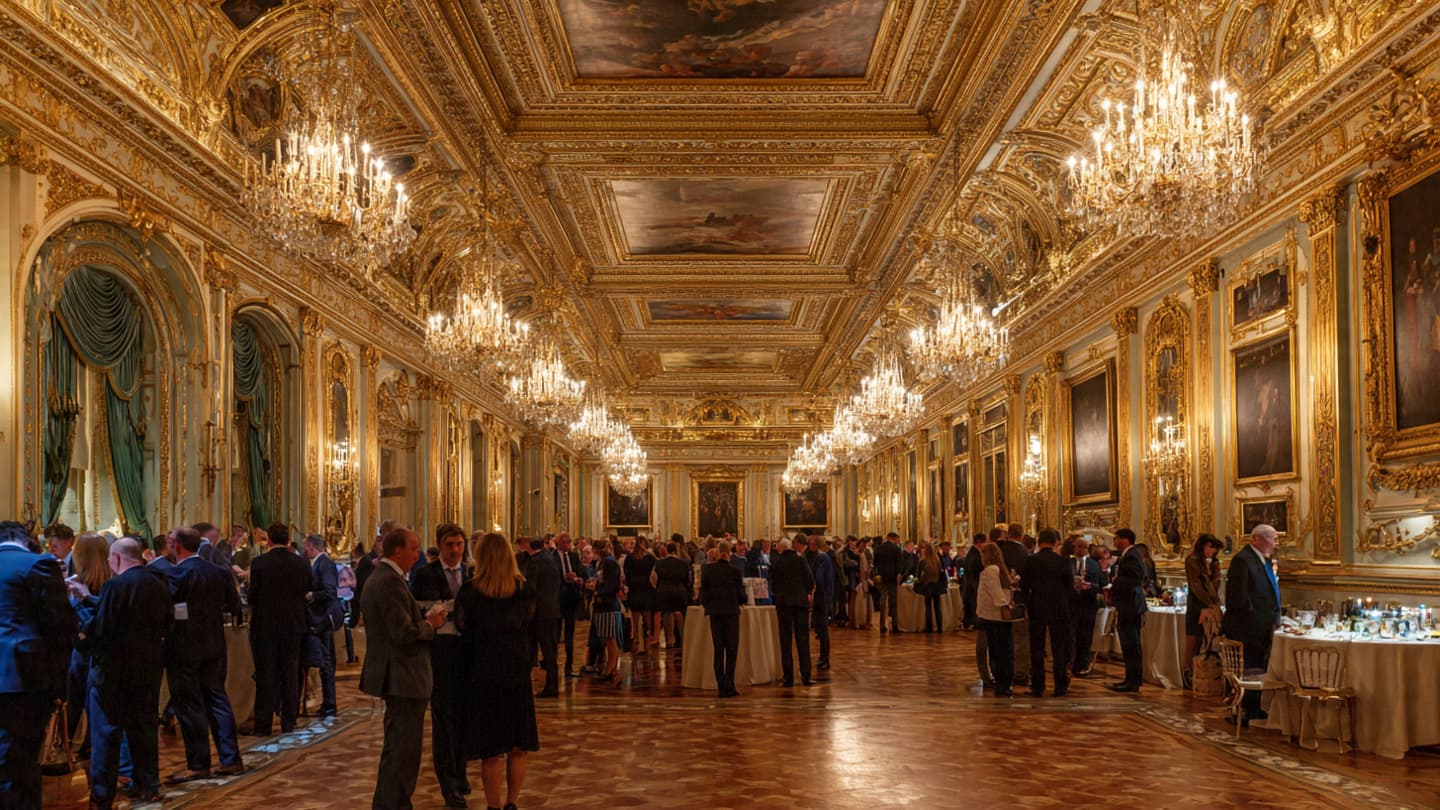
Rain drifted lightly across London as black cabs moved through wet streets and tourists gathered behind iron gates outside Buckingham Palace. The city, accustomed to ceremony and secrecy in equal measure, carried on with its familiar rhythm — newspaper stands opening before dawn, palace guards changing beneath camera flashes, conversations about the monarchy unfolding quietly over tea in cafés not far from Westminster.
Within this atmosphere of ritual and restraint, a new glimpse into the internal workings of Britain’s royal household has reopened discussion about the late Queen Elizabeth II’s relationship with her son, Prince Andrew, and the monarchy’s long effort to balance loyalty, reputation, and public scrutiny.
According to newly discussed accounts emerging from official records and reporting surrounding royal affairs, the late queen was said to have been “very keen” for Prince Andrew to be appointed as Britain’s trade envoy during his years representing the country abroad. The revelation has revived attention on a period when Andrew traveled extensively on behalf of British business and diplomacy, long before controversies surrounding his associations and conduct reshaped his public standing.
At the time, the role reflected a particular vision of modern monarchy — one in which royal figures could function not only as ceremonial symbols but also as instruments of economic and diplomatic influence. Prince Andrew, known for his military background, international travel, and energetic public style, became a visible presence at trade forums, investment events, and official overseas visits intended to promote British commercial interests.
For Queen Elizabeth II, whose reign stretched across decades of political change and shifting public expectations, loyalty to family often existed alongside her broader sense of institutional duty. Observers of the monarchy have long described her as deeply protective of the royal institution while also maintaining strong personal commitment to her children, even during periods of intense public controversy.
The renewed focus on Andrew’s appointment comes years after his withdrawal from public royal duties following widespread criticism linked to his friendship with the late financier Jeffrey Epstein and subsequent legal controversies. Though Andrew has consistently denied wrongdoing, the fallout significantly damaged his public reputation and transformed perceptions of his earlier official roles.
Now, with historical documents and retrospective accounts continuing to surface after the queen’s death, Britain finds itself reexamining moments that once appeared routine within royal administration but now carry heavier symbolic meaning. Decisions about appointments, patronages, and diplomatic representation are viewed differently when filtered through later events and evolving public standards.
The trade envoy role itself once placed Andrew at the intersection of monarchy, business, and soft diplomacy. He attended state-linked economic events across Europe, the Middle East, and Asia, often presenting Britain’s commercial ambitions alongside the prestige associated with the royal family. Supporters at the time argued that royal visibility opened doors for British trade interests. Critics, however, occasionally questioned the transparency and appropriateness of some relationships formed during those years.
Inside palace walls, such calculations were rarely simple. The British monarchy has always operated within a delicate tension between tradition and adaptation, balancing private family dynamics against the relentless visibility of public life. Personal loyalties can persist long after public opinion shifts, particularly within institutions shaped by continuity, hierarchy, and deeply rooted custom.
For many Britons, Queen Elizabeth II remains associated with steadiness and restraint — a monarch whose reign became intertwined with national memory itself. Yet the monarchy she led also navigated recurring storms involving divorce, scandal, media intrusion, and debates over relevance in modern society. The Andrew controversy became one of the most difficult episodes in those later years, forcing the palace into increasingly defensive positions as public pressure intensified.
The revelation that the queen strongly supported his trade envoy appointment may not fundamentally alter public understanding of those events, but it does illuminate the enduring complexity of familial trust inside royal life. Monarchies, despite their pageantry and constitutional roles, remain human institutions shaped by affection, belief, and sometimes misjudgment.
Meanwhile, Britain continues negotiating its evolving relationship with the royal family in the years following Elizabeth’s death. Under King Charles III, the monarchy faces ongoing questions about modernization, accountability, and public confidence, particularly among younger generations less emotionally tied to royal tradition.
Outside Buckingham Palace, however, the rhythms of the city remain largely unchanged. Tourists still pause for photographs beside palace railings. Flags rise and lower above historic rooftops. Newspapers continue carrying royal headlines beside stories of inflation, elections, and foreign affairs. The monarchy endures partly because it exists both as spectacle and familiarity — woven into ordinary British life almost as background weather.
As these latest revelations circulate through headlines and political discussion, they offer less a dramatic turning point than another window into the private calculations behind public monarchy. They remind observers that royal institutions are often shaped not only by constitutional duty, but by quieter forces as well: parental loyalty, personal conviction, and the hope that certain figures might still fulfill roles history later judges differently.
AI Image Disclaimer Visuals included with this article are AI-generated representations designed to illustrate the themes discussed.
Sources
Reuters BBC News The Guardian Buckingham Palace archives Associated Press
Note: This article was published on BanxChange.com and is powered by the BXE Token on the XRP Ledger. For the latest articles and news, please visit BanxChange.com