Morning light often reaches the sea in fragments. It settles first on harbor cranes, on ropes darkened by salt, on gulls circling lazily above quiet docks before slipping outward into deeper water where visibility narrows and sound becomes distant. Beneath that calm surface, however, the ocean keeps its own memory — one measured not in headlines, but in pressure, depth, and silence.
This week in Italy, that silence deepened after the deaths of several divers involved in an underwater recovery operation, a tragedy that has stirred questions about preparation, equipment, and the hidden dangers that linger beneath maritime work. Rescue officials speaking after the incident suggested that the divers may not have been carrying equipment suited for the difficult conditions they encountered below the surface, where darkness, shifting currents, and limited oxygen leave little room for error.
The operation itself unfolded near the remains of a vessel resting underwater, where teams had descended in hopes of completing a technical and hazardous mission. Such dives are often described with clinical language — decompression schedules, oxygen mixtures, pressure limits — yet they unfold in spaces far removed from ordinary human rhythm. At great depth, every movement becomes deliberate. Communication slows. Light weakens into a blue haze. Even experienced divers rely almost entirely on preparation and equipment to survive conditions that the human body was never meant to endure.
Italian media reports and statements from rescuers suggested that some of the gear available during the mission may not have matched the complexity of the task. Questions have centered on breathing systems and operational readiness, though investigations remain ongoing. Rescue personnel described difficult underwater conditions and emphasized how quickly technical complications can become irreversible once divers are trapped far below the surface.
Across Italy, the tragedy has settled over coastal communities with particular weight. The country’s long relationship with the sea has always carried a dual character — beauty paired with danger, livelihood intertwined with loss. Fishing ports, naval towns, and diving communities know well how suddenly the water can change from calm to unforgiving. In places where maritime work passes quietly from one generation to the next, such incidents reopen old memories of storms, wrecks, and names read softly at harbor memorials.
The deaths have also renewed broader conversations around commercial and technical diving standards in Europe, where underwater infrastructure projects, salvage missions, and deep recovery operations have become increasingly specialized. Modern diving technology allows humans to descend farther and remain underwater longer than in previous decades, yet specialists often note that technology itself can create an illusion of control over environments that remain inherently unstable.
Rescuers involved in the response described the operation as emotionally difficult, marked by narrow underwater spaces and limited visibility. Recovery teams worked carefully through conditions where machinery, debris, and pressure changes complicated every stage of the mission. Their accounts carried the restrained tone common among maritime responders — practical, composed, but shadowed by the knowledge that some emergencies unfold beyond rescue.
By the close of the week, investigators continued examining what equipment had been used, whether protocols had been followed, and how the mission had been organized. Officials are expected to review technical details surrounding the dive, while families and colleagues mourn the loss of workers who entered the sea as part of a profession that often remains invisible to the wider world.
And so the story lingers where many maritime tragedies do: somewhere between engineering and human vulnerability, between ambition and the limits imposed by water itself. Along Italy’s shores, ferries continue crossing familiar routes, fishing boats leave harbor before dawn, and divers descend again into depths where sunlight fades quickly. Yet beneath those ordinary movements remains the quiet reminder that the sea, even in calm weather, never fully loosens its hold on uncertainty.
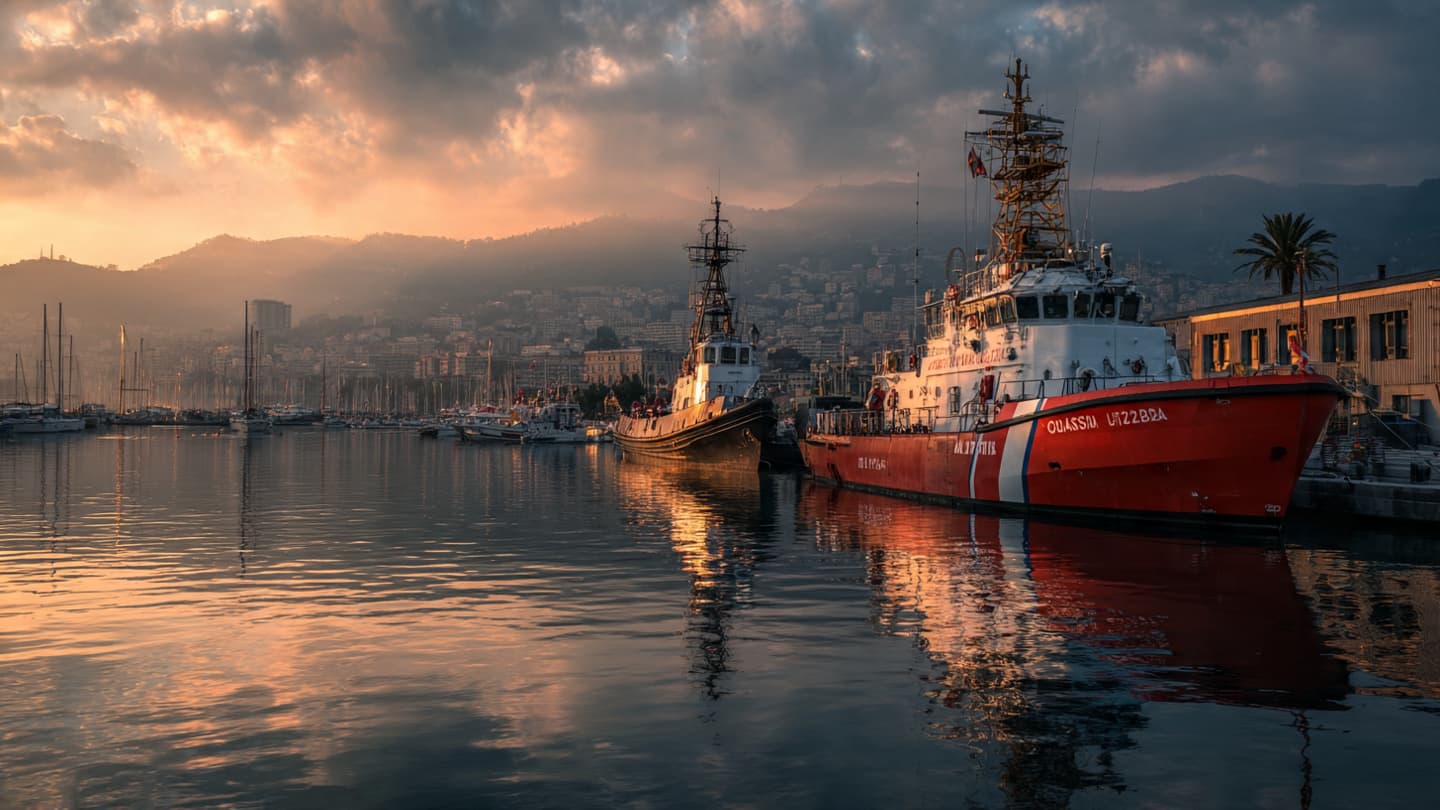
AI Image Disclaimer Illustrations were generated with AI assistance and are intended as visual interpretations rather than documentary images.
Sources Reuters Associated Press ANSA BBC News The Guardian
Published by Banx Network. This article is part of the Banx decentralized media programme, powered by the BXE token on the XRP Ledger.