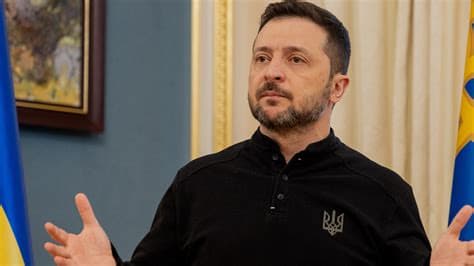
Ukraine’s security strategy is increasingly aimed at turning the country from a recipient of protection into a driver of security design.
As the war grinds on, President Volodymyr Zelensky and Ukraine’s leadership frame the next phase as one where Ukraine helps define how future guarantees should work—what forces could be involved, how deterrence would be maintained, and how any ceasefire would be monitored. The emphasis is on preventing Russia from repeating an invasion after diplomacy, rather than simply receiving new rounds of assistance.
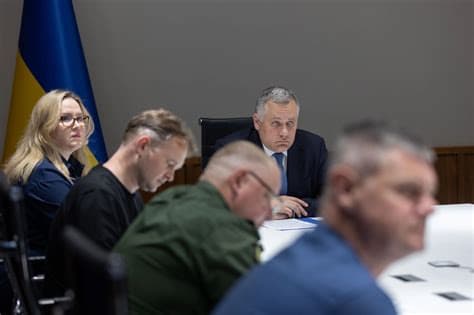
That shift is also reflected in internal policy and personnel moves tied to security planning and war-state governance. Ukraine is focused on restructuring and strengthening its security and defense apparatus, improving operational capabilities, and sharpening the country’s role in negotiations with allies.
At the same time, Ukraine’s approach connects battlefield realities with longer-term security commitments: not only what partners provide in the near term, but how support is sustained over years through training, equipment, and coordination frameworks. The goal is to make deterrence durable—so Ukraine can defend itself and shape conditions that make renewed aggression less likely.
In Zelensky’s view, the transition matters because security cannot be treated as something delivered once and then forgotten. Instead, Ukraine is trying to institutionalize its “security-making” role—helping build the structures, partnerships, and capabilities that would keep the country safe after any political settlement.
Published by Banx Network. This article is part of the Banx decentralized media programme, powered by the BXE token on the XRP Ledger.