
Key Highlights
- Record Strikes:Ukraine launched its most intense strikes against Russia's defense industry in June.
- Targeted Facilities:The strikes focused on weapons production and maintenance sites critical to Russian military operations.
- Strategic Impact:Analysts suggest these attacks aim to disrupt Russia's supply chain and military replenishment efforts.
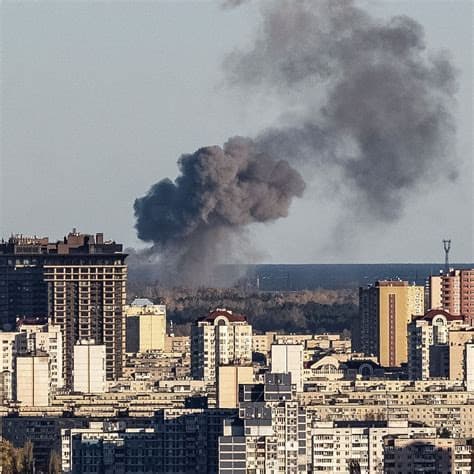
Ukraine has escalated its military campaign against Russia's defense industrial base, marking June as a pivotal month in this ongoing conflict. Officials have described the recent wave of strikes as the strongest yet, targeting facilities linked to weapons production, maintenance, and logistics. These sites are deemed essential for sustaining Russian military operations, and Ukrainian leaders believe that disrupting them can significantly hinder Russia's ability to replenish its forces.
The strikes are part of a broader strategy to apply pressure on Russia's military capabilities. By targeting production and repair hubs, Ukraine aims to slow down the pace at which Russia can deploy munitions and restore damaged military systems. This approach is designed to create a bottleneck in Russia's supply chain, making it more challenging for the country to recover from battlefield losses.
Reports indicate that the attacks were not random but rather coordinated efforts across multiple regions. Analysts suggest that Ukrainian forces have been strategically selecting targets based on vulnerabilities in Russia's defense supply chain. This targeted approach is expected to yield significant operational disruptions, leading to delays and increased costs in acquiring replacement parts and components necessary for military readiness.
The evolving nature of long-range warfare is evident in Ukraine's tactics. As Russia enhances its air-defense systems and fortifies key facilities, Ukraine is adapting by focusing on high-value targets. Even if some strikes do not completely halt production, the cumulative effect of repeated attacks can force Russia to allocate resources toward repairs and protective measures, diverting attention from frontline operations.
As June draws to a close, Ukrainian officials express their intent to maintain this momentum in the coming months. By sustaining pressure on defense-related targets, they hope to further diminish Russia's capacity to recover quickly from these strikes. The ongoing campaign reflects a strategic shift in the conflict, emphasizing the importance of disrupting enemy supply lines to gain a tactical advantage.
The implications of these strikes extend beyond immediate military outcomes. They signal a significant escalation in Ukraine's efforts to counter Russian aggression and reshape the dynamics of the conflict. As both sides adapt to the realities of modern warfare, the focus on long-range strikes and supply chain disruptions may define the next phase of this protracted conflict.
Published by Banx Network. This article is part of the Banx decentralized media programme, powered by the BXE token on the XRP Ledger.



