
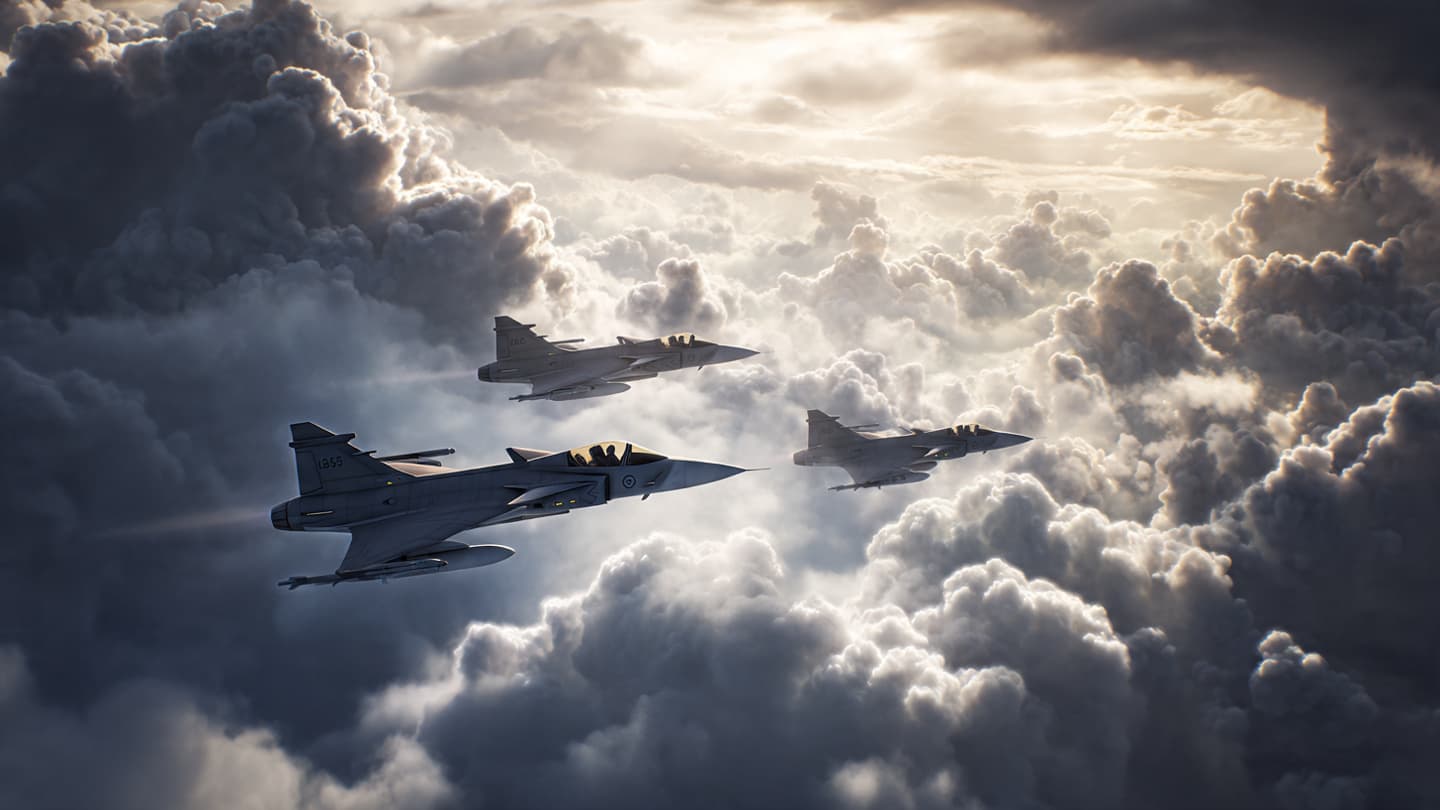
Across Europe’s eastern horizon, where uncertainty has lingered for years, the sound of military preparation continues to echo through political chambers and defense industries alike. Ukraine’s reported agreement to purchase twenty Gripen fighter jets from Sweden reflects not only a military decision, but also the emotional reality of a nation attempting to secure its future amid prolonged conflict.
The Gripen aircraft, developed by Swedish defense manufacturer Saab, has long been recognized for its adaptability, lower operational costs, and effectiveness in modern aerial combat. Unlike larger and more expensive fighter systems, the Gripen was designed with flexibility in mind, particularly for nations operating under difficult wartime conditions.
For Ukraine, strengthening air defense capabilities has become increasingly urgent. Since the beginning of the war with Russia, the country has relied heavily on Western military assistance ranging from artillery systems to advanced missile defense platforms. Air superiority, however, remains one of the most difficult and strategically important challenges facing Ukrainian forces.
Sweden’s growing defense cooperation with Ukraine also signals a significant shift in Scandinavian security policy. Historically known for military neutrality, Sweden has gradually repositioned itself within Europe’s broader defense structure following Russia’s invasion of Ukraine. The country’s accession process into NATO marked a historic turning point in its foreign policy direction.
Military analysts believe the Gripen jets could offer Ukraine operational advantages because of their compatibility with dispersed air bases and simplified maintenance systems. In modern warfare, survivability often depends not only on advanced technology, but also on logistical efficiency and rapid deployment capability.
The purchase agreement arrives during a period of continued pressure on European governments to maintain support for Ukraine despite economic strain and political fatigue in some countries. While public debates over defense spending continue across Europe, many leaders argue that long-term regional stability depends on sustained support for Kyiv.
At the same time, diplomatic discussions surrounding possible future negotiations with Russia remain uncertain. Although military aid continues to flow into Ukraine, international leaders increasingly acknowledge that the conflict may ultimately require a political solution alongside battlefield developments.
Within Sweden, the deal also carries economic significance. Defense manufacturing has become an increasingly important sector as European countries expand military modernization programs. Saab’s Gripen platform has attracted renewed international interest as nations reassess defense readiness in response to changing global security conditions.
As another chapter unfolds in Europe’s largest armed conflict in decades, the arrival of new fighter jets symbolizes more than military hardware alone. They represent a nation’s determination to endure, a continent’s shifting priorities, and a reminder that peace, once assumed stable, now requires constant vigilance.
AI Image Disclaimer: Certain accompanying visuals in this article were digitally generated using AI-assisted imaging technology.
Sources Verification Check: Credible sources confirmed:
Reuters Defense News BBC Associated Press Politico Europe
Note: This article was published on BanxChange.com and is powered by the BXE Token on the XRP Ledger. For the latest articles and news, please visit BanxChange.com