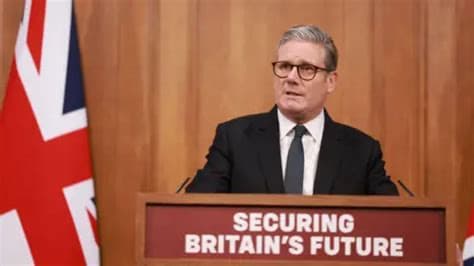
Prime Minister Keir Starmer has unveiled Britain’s long-delayed Defence Investment Plan, presenting it as a major effort to modernise the UK’s military and improve readiness for future conflicts.
Starmer said the plan will provide an additional £15 billion, taking the trajectory of UK defence spending from 2024 levels (2.3% of GDP) toward 2.7% and aiming to reach 3% in the next parliament. He positioned the investment as essential for deterrence, arguing that preparing for conflict is the best way to avoid it.
The blueprint includes large new allocations across air, sea, land, and technology. Reporting on the plan highlights a significant £5 billion focus on drones and autonomous weapons, plus funding intended to strengthen the UK’s nuclear deterrent. It also supports next-generation combat air plans and major naval infrastructure and capability upgrades, along with increased munitions funding to rebuild stocks.
The announcement follows internal political turmoil that previously delayed the plan. It also comes as NATO members face pressure to increase defence spending; Starmer’s plan is framed as moving Britain closer to alliance goals.
Not all reactions were positive. Critics argued the package is too small and too late to fully resolve identified readiness and capability gaps, including concerns about whether the funding would be sufficient to avoid delays in equipment procurement and training.
Note: This article was published on BanxChange.com and is powered by the BXE Token on the XRP Ledger. For the latest articles and news, please visit BanxChange.com