
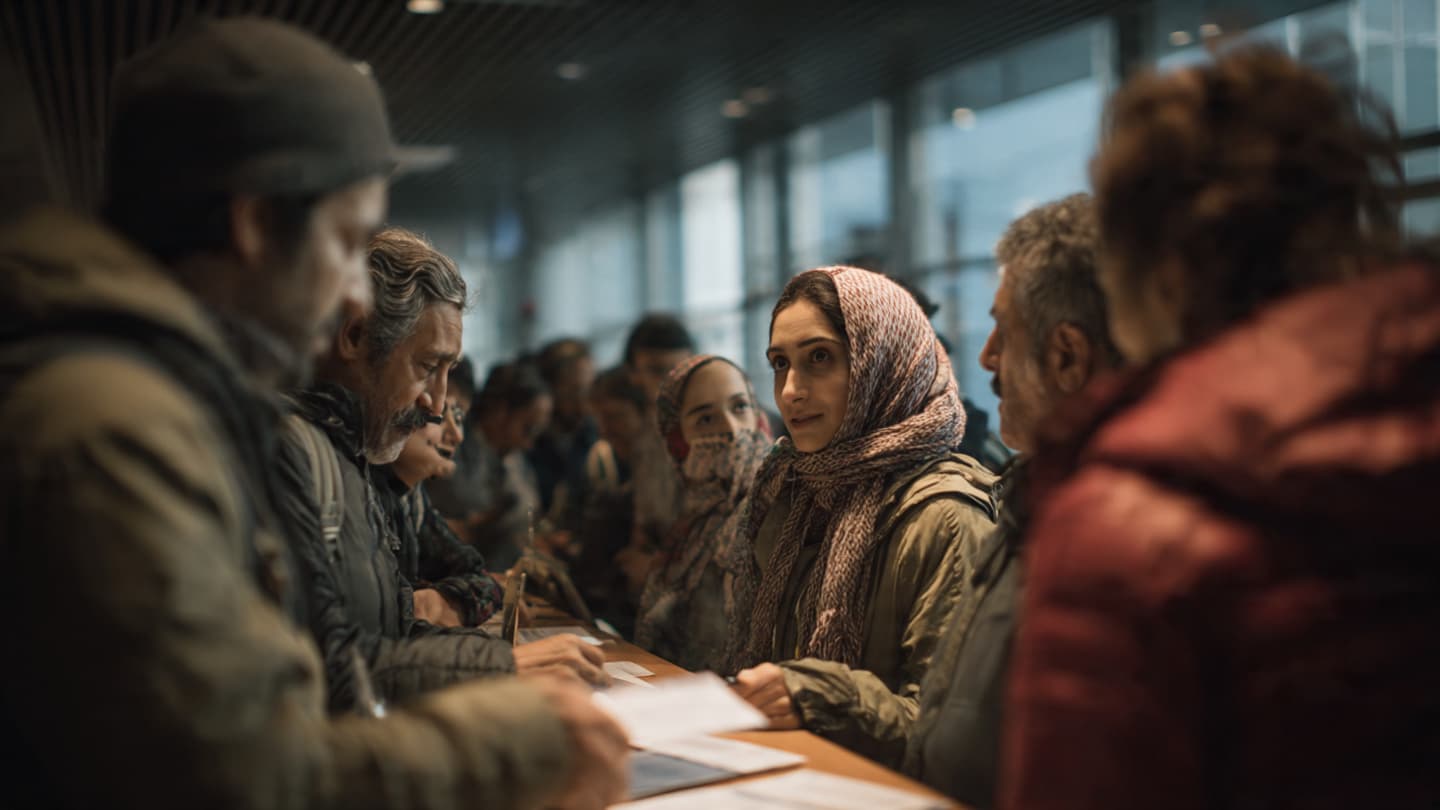
Migration debates often reveal how nations define responsibility during uncertain moments. Policies shaped in government offices eventually ripple outward into airports, communities, and families carrying both hope and unease across borders. The United States has drawn international attention after officials described an “emergency refugee situation” while approving the admission of 10,000 additional white South Africans.
The decision quickly generated political and diplomatic discussion both inside the United States and abroad. Supporters argued that refugee systems should respond rapidly when groups face credible threats or instability, while critics questioned the criteria and broader implications of the designation.
U.S. officials stated that the admissions process followed existing refugee and humanitarian frameworks. The policy reportedly centered on concerns involving personal security, violence, and social conditions affecting certain communities in South Africa.
South Africa has long struggled with high crime rates, economic inequality, and political tensions rooted in the country’s complex historical legacy. At the same time, analysts noted that debates surrounding race and migration in South Africa remain deeply sensitive internationally.
Human rights organizations and immigration experts expressed differing interpretations of the policy. Some argued that refugee systems must remain focused on documented humanitarian risk regardless of ethnicity, while others questioned whether the move reflected unequal treatment compared with refugee applicants from conflict zones elsewhere in the world.
The announcement also reignited broader discussions surrounding global migration priorities. Governments across Europe and North America continue facing pressure to balance humanitarian commitments with domestic political concerns tied to immigration and border management.
Diplomatic observers suggested the decision could influence relations between Washington and Pretoria, particularly if South African officials publicly challenge the characterization of conditions inside the country. International refugee policy frequently carries symbolic political weight beyond the numbers involved.
Within the United States, reactions divided largely along political lines. Some lawmakers praised the administration’s response as necessary humanitarian action, while others called for clearer explanation regarding the emergency designation process.
Federal officials stated that refugee admissions and related security screenings will continue under established immigration procedures.
AI Image Disclaimer: Some accompanying visuals for this migration report were generated using AI-assisted image technology.
Sources: Reuters, BBC, The New York Times, Associated Press, Al Jazeera
Note: This article was published on BanxChange.com and is powered by the BXE Token on the XRP Ledger. For the latest articles and news, please visit BanxChange.com