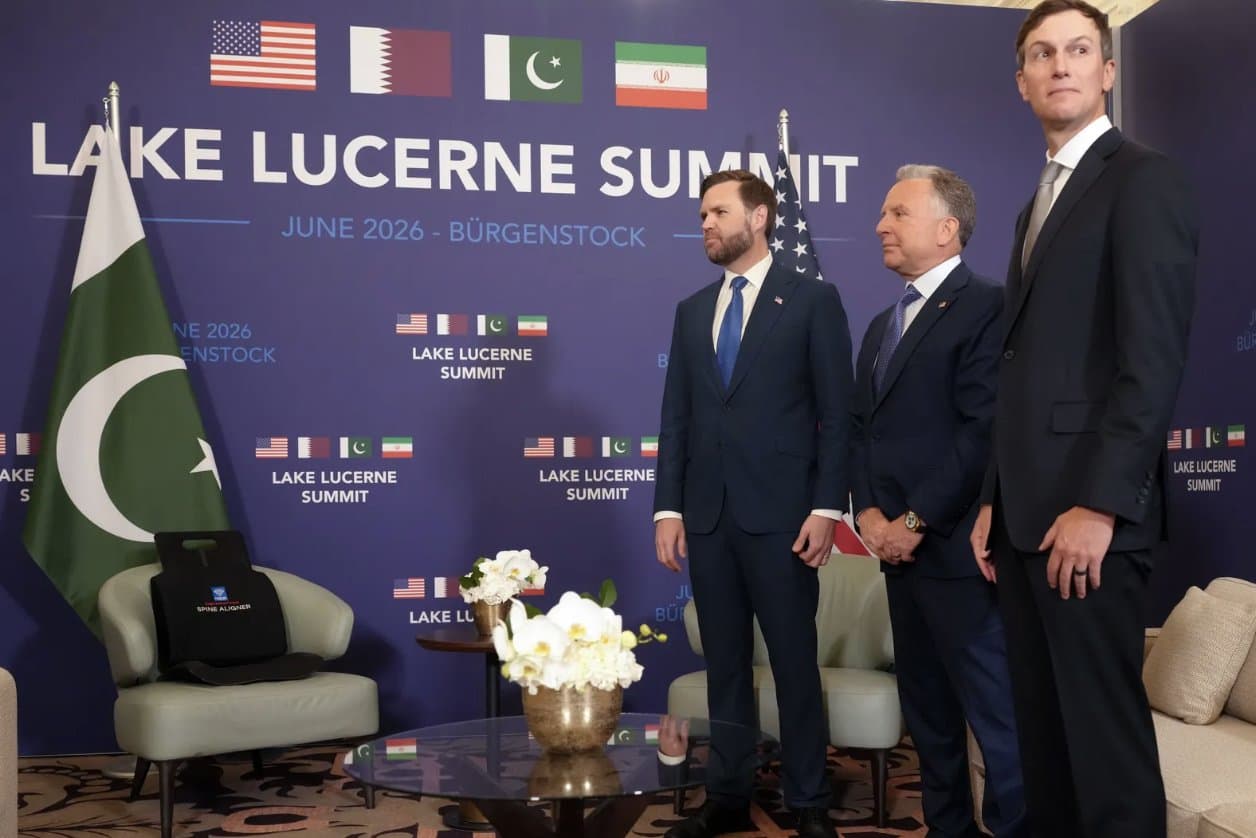
Diplomatic negotiations between the United States and Iran have continued into a second day, reflecting the importance of ongoing efforts to reduce tensions in one of the world's most strategically significant regions. The discussions come amid heightened concern surrounding the Strait of Hormuz, a critical maritime corridor through which a substantial share of global energy supplies passes. The Strait of Hormuz occupies a unique position in international commerce. Connecting the Persian Gulf with global shipping routes, the waterway serves as a key transit point for crude oil, refined petroleum products, and liquefied natural gas exports. Any disruption can quickly affect energy markets, shipping costs, and investor sentiment worldwide. Recent statements from Iranian officials regarding the strait have amplified concerns among governments, businesses, and energy traders. Even the possibility of restrictions on maritime traffic can influence market expectations and contribute to price volatility. The continuation of negotiations suggests that both sides recognize the benefits of maintaining dialogue despite longstanding disagreements. Relations between Washington and Tehran have experienced repeated cycles of confrontation and diplomacy over issues including nuclear activities, sanctions, regional security, and military deployments. For energy markets, stability in the Gulf region remains a priority. Import-dependent economies across Asia and Europe closely monitor developments because supply interruptions could increase fuel costs and complicate inflation management efforts. Energy companies and shipping firms likewise evaluate risks associated with regional uncertainty. Financial markets often respond rapidly to geopolitical developments involving the Middle East. Oil prices, defense stocks, shipping companies, and safe-haven assets can experience heightened volatility whenever tensions rise. Investors frequently assess whether diplomatic engagement is likely to reduce risks or merely postpone future confrontations. The extension of talks may provide a temporary source of reassurance. Continued communication reduces the likelihood of misunderstandings and offers opportunities to address contentious issues through negotiation rather than escalation. Nevertheless, substantial differences remain between the parties. Regional allies and international organizations are also watching closely. Many governments support diplomatic solutions that preserve freedom of navigation and reduce the risk of military conflict. Broader stability contributes to economic confidence and facilitates long-term investment planning. Analysts caution that negotiations rarely produce immediate breakthroughs. Diplomatic progress often occurs incrementally through confidence-building measures, technical agreements, and sustained engagement. Expectations for rapid resolution should therefore remain realistic. The situation highlights the interconnected nature of modern geopolitics. Decisions made in one region can influence commodity markets, inflation expectations, transportation networks, and investment strategies worldwide. Consequently, developments involving the Strait of Hormuz attract attention far beyond the Middle East. Whether the current discussions produce significant agreements remains uncertain. However, the continuation of talks indicates a willingness to pursue diplomatic channels at a time when regional tensions continue to generate international concern.
Published by Banx Network. This article is part of the Banx decentralized media programme, powered by the BXE token on the XRP Ledger.