
International diplomacy often unfolds far from public view, advancing through careful conversations rather than dramatic announcements. Like a river slowly carving a new path through stone, meaningful political change can emerge through persistence and patience. Recent reports suggesting that the United States and Iran have agreed on a framework for peace discussions have therefore attracted considerable attention across the international community.
According to statements cited by regional officials, both countries have reportedly moved toward a preliminary framework intended to reduce tensions and establish conditions for further negotiations. While details remain limited, the announcement has been interpreted by many observers as a potentially significant diplomatic development.
Relations between Washington and Tehran have been shaped by decades of political disagreements, economic sanctions, security concerns, and regional rivalries. These issues have frequently complicated efforts to achieve sustained dialogue, making any indication of progress noteworthy.
The reported framework does not represent a final agreement. Instead, it appears to be an early structure designed to guide future discussions. Such frameworks are often intended to establish principles, communication channels, and areas where compromise may eventually be possible.
Regional governments have followed the development closely. Many countries in the Middle East have consistently emphasized the importance of stability, recognizing that tensions involving major regional actors can influence trade, energy markets, and broader security conditions.
Economic observers have also taken interest in the reports. Markets often react to changes in geopolitical risk, particularly when developments involve regions central to global energy supplies. Any movement toward greater predictability can influence business confidence and investment decisions.
Diplomatic experts note that peace processes are rarely linear. Progress is often accompanied by challenges, setbacks, and periods of uncertainty. Maintaining communication and managing expectations are generally considered essential components of successful negotiations.
The reported framework has generated cautious optimism among international observers. While significant differences remain between the two countries, the existence of structured dialogue may provide opportunities to address issues that have contributed to years of tension.
For now, officials and analysts continue monitoring developments as further details emerge. The reported agreement marks an important moment in ongoing diplomatic efforts, though its long-term impact will depend on the substance of future negotiations and the willingness of all parties to remain engaged.
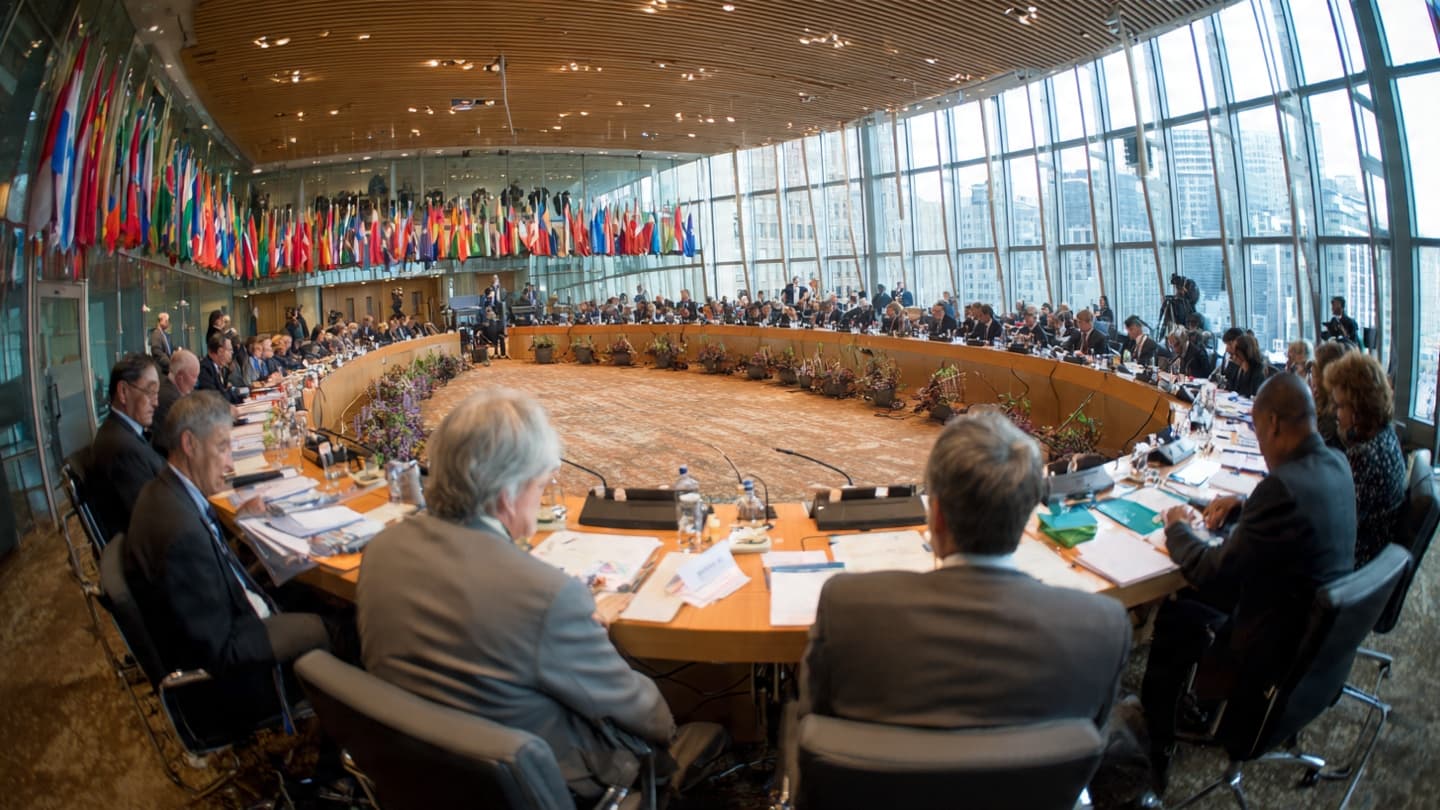
AI Image Disclaimer The accompanying image is AI-generated and intended to visually illustrate the diplomatic theme discussed in this article.
Sources Reuters, Associated Press, Financial Times, The Washington Post
Note: This article was published on BanxChange.com and is powered by the BXE Token on the XRP Ledger. For the latest articles and news, please visit BanxChange.com