Science has long served as one of humanity’s most reliable tools for understanding the world. From improving healthcare to advancing technology and protecting the environment, scientific research influences daily life in ways that often go unnoticed. Yet beyond every breakthrough lies another essential element: public trust. Without confidence in scientific institutions and the evidence they produce, even the most important discoveries can struggle to achieve their full impact.
A growing body of international research is examining how people around the world perceive science and the institutions behind it. Researchers are exploring the factors that strengthen public confidence, including transparency, effective communication, educational opportunities, and the accessibility of scientific information. These studies seek to better understand why trust varies across societies and how it can be maintained over time.
Recent surveys indicate that many people continue to express strong confidence in scientists, particularly in areas related to medicine, environmental research, and technological innovation. Public appreciation for scientific expertise increased in many regions following global public health challenges over recent years, reinforcing the role of evidence-based decision-making in addressing complex issues.
At the same time, researchers recognize that trust is influenced by multiple factors beyond scientific evidence alone. Social media, cultural perspectives, political environments, education levels, and personal experiences all contribute to how individuals interpret scientific findings. Understanding these influences allows researchers to develop more effective approaches to science communication.
Universities and research organizations have increasingly emphasized transparency throughout the scientific process. Open-access publications, publicly available research data, and independent peer review are among the practices designed to strengthen accountability and encourage public engagement. These measures help demonstrate how scientific conclusions are reached through careful observation, testing, and independent verification.
Education also plays a significant role in fostering scientific literacy. Schools, museums, public lectures, and community outreach initiatives provide opportunities for people of all ages to engage with scientific concepts in accessible ways. Researchers believe that greater familiarity with scientific methods can help build long-term confidence in research institutions.
Experts caution that trust should never be assumed but continually earned through consistency, openness, and integrity. Scientific knowledge evolves as new evidence emerges, and acknowledging uncertainty where it exists remains an important part of responsible research. Honest communication about both discoveries and limitations helps reinforce credibility rather than diminish it.
As global challenges such as climate change, emerging diseases, and technological transformation continue to shape society, public trust in science remains an essential foundation for informed decision-making. Ongoing international research aims not only to measure confidence in science but also to better understand how collaboration between scientists and the public can continue to grow in the years ahead.
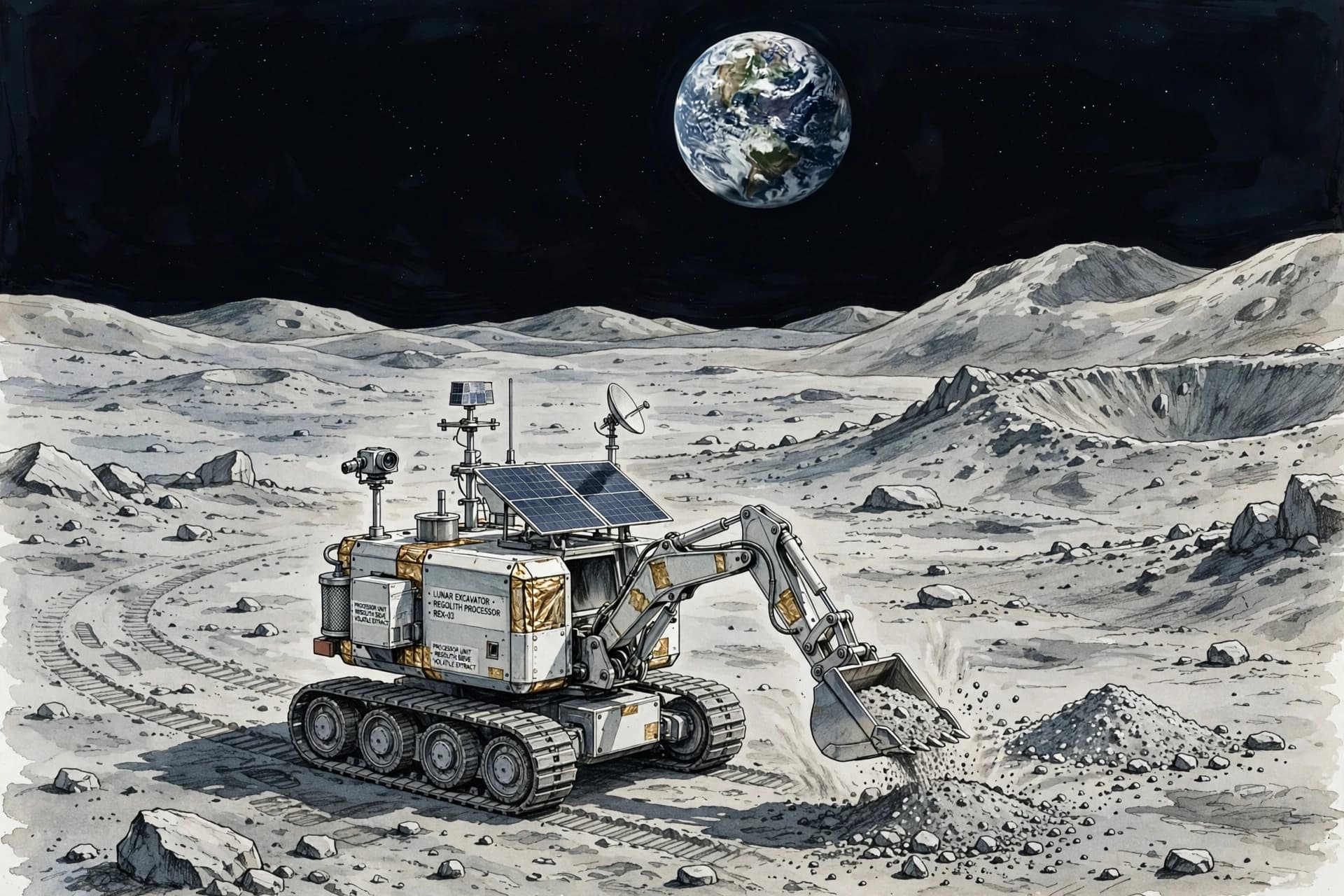
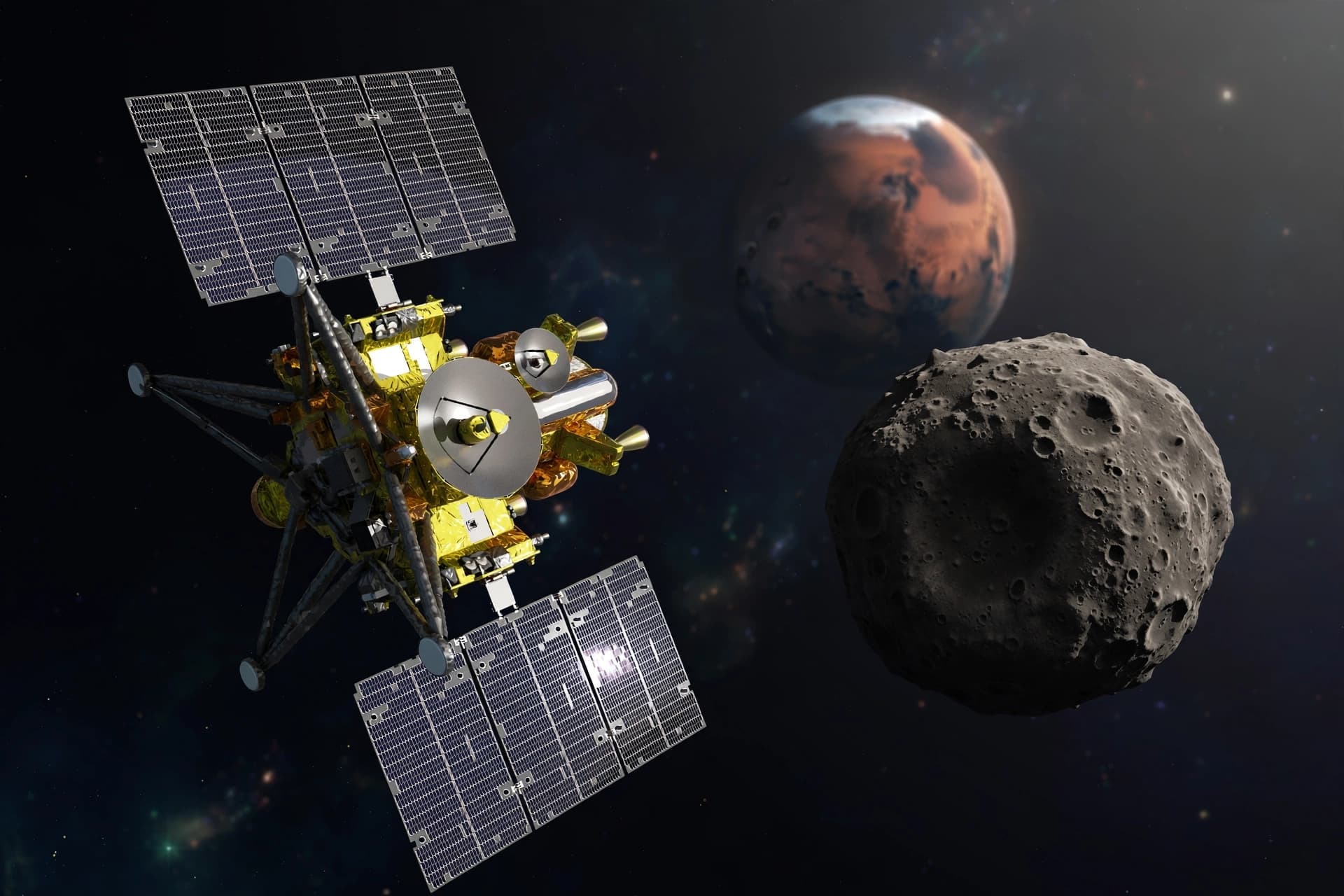
AI Image Disclaimer: The illustrations accompanying this article are AI-generated for editorial purposes and are intended solely as visual representations.
Published by Banx Network. This article is part of the Banx decentralized media programme, powered by the BXE token on the XRP Ledger.