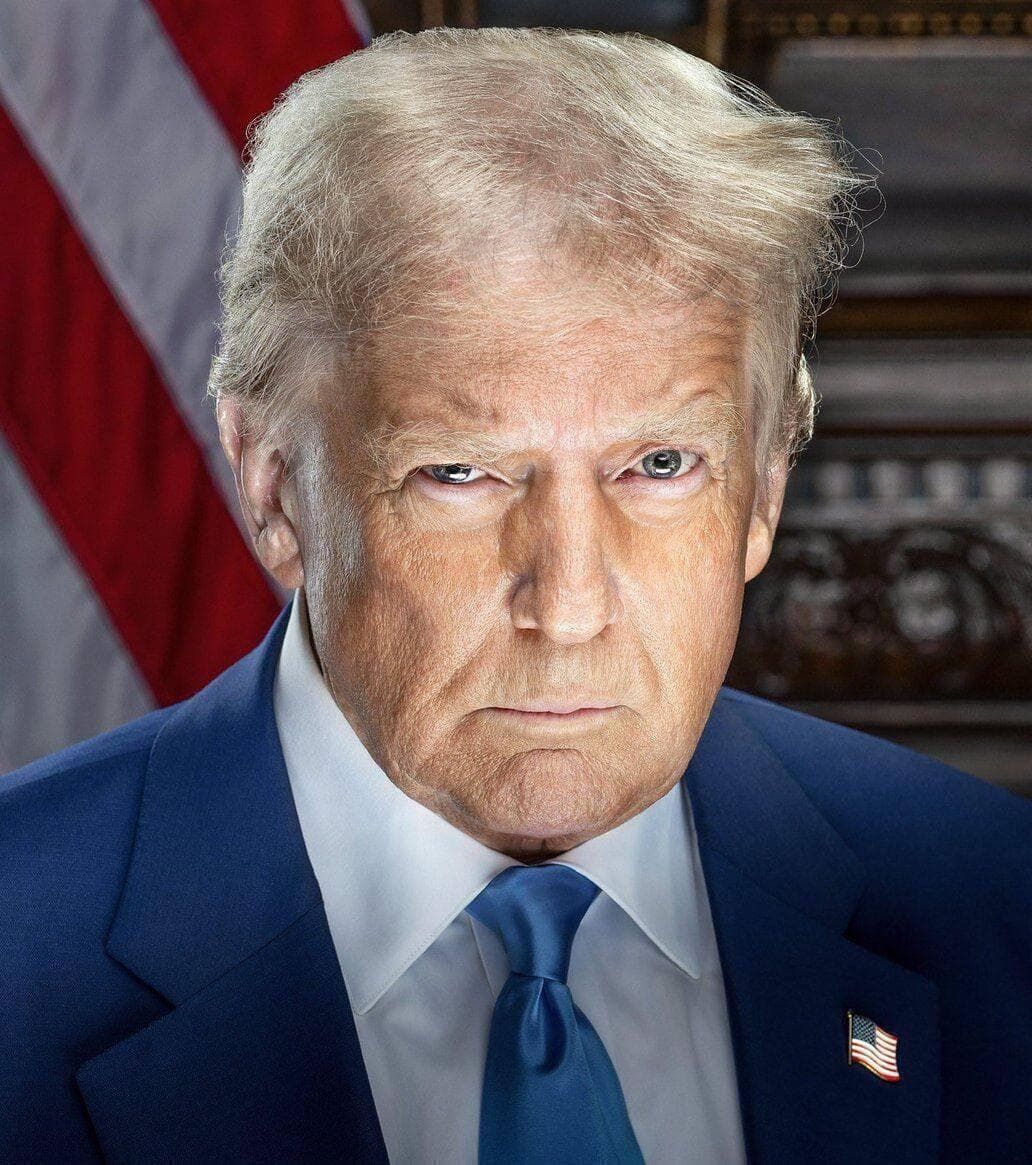
Statements from President Donald Trump regarding the status of the Strait of Hormuz and the strength of the American economy have drawn attention from investors, policymakers, and energy analysts worldwide. The comments came as global markets continued monitoring developments in the Middle East and assessing their potential impact on trade, energy supplies, and financial stability. The Strait of Hormuz remains one of the most important maritime chokepoints on the planet. A substantial portion of the world's oil exports passes through the narrow waterway each day, making it a critical component of international commerce. Any threat to shipping activity can quickly influence energy prices and investor sentiment. Trump's remarks emphasizing open shipping lanes and strong economic conditions were interpreted by supporters as evidence that geopolitical tensions had not significantly disrupted global trade. Market participants often view uninterrupted energy flows as essential for maintaining stable growth and preventing inflationary pressures. Oil prices frequently respond to perceptions of risk rather than actual supply disruptions. Even rumors of restrictions or military incidents can trigger volatility. Conversely, assurances regarding transportation security may help reduce uncertainty and support confidence among businesses and consumers. The broader economic message focused on employment, stock market performance, and domestic growth indicators. Supporters of the administration argue that policies encouraging investment, energy production, and industrial expansion have contributed to favorable economic conditions. Critics contend that broader structural factors and global trends also play significant roles. Financial markets have demonstrated resilience despite repeated geopolitical challenges. Investors increasingly distinguish between temporary headlines and events capable of producing lasting economic consequences. As a result, markets often react sharply to breaking news before stabilizing once additional information becomes available. Energy companies remain particularly attentive to developments involving major shipping routes. Supply chain disruptions can affect production schedules, transportation costs, and long-term planning decisions. The ability to maintain predictable trade flows is therefore viewed as essential for global economic health. The intersection of geopolitics and economics has become increasingly important for policymakers. Decisions regarding sanctions, military deployments, trade agreements, and diplomatic negotiations can influence commodity prices and investor confidence. Governments must balance national security objectives with economic considerations. International allies and trading partners also monitor developments closely. Stable energy markets support economic growth across numerous regions, while uncertainty can contribute to inflationary pressures and reduced business investment. The comments regarding strong market performance reflect a broader debate about the relationship between political leadership and economic outcomes. While administrations often highlight positive indicators, economists generally emphasize the importance of multiple factors including productivity, innovation, consumer demand, and global conditions. Looking ahead, investors will continue evaluating both economic data and geopolitical developments. The combination of stable energy supplies and resilient financial markets remains a key objective for governments, businesses, and consumers around the world.
Published by Banx Network. This article is part of the Banx decentralized media programme, powered by the BXE token on the XRP Ledger.