BEIJING, CHINA — Panic gripped the heart of Beijing’s Central Business District during Friday evening's rush hour when a small, low-flying aircraft slammed into the upper floors of the CITIC Tower, the capital’s tallest building.
The incident, which occurred at approximately 6:00 PM local time on Friday, June 26, 2026 sent shockwaves through the metropolis. Thick plumes of gray smoke were seen billowing from the upper reaches of the 528-meter skyscraper, colloquially known as "China Zun" due to its distinctive shape inspired by an ancient Chinese wine vessel.
Eyewitnesses on the ground described hearing a loud, spluttering engine noise just moments before the twin-engine light aircraft altered its trajectory and collided directly with the glass facade of the mega-tall skyscraper.
The impact shattered reinforced structural glass across several of the building's highest commercial floors, showering the crowded streets below with debris and sending commuters fleeing for cover.
"I heard a massive boom that sounded like thunder, but the sky was completely clear," said an office worker who was exiting a nearby subway station when the crash occurred. "When I looked up, there was a gaping hole near the top of the tower, and smoke was starting to pour out. People were running everywhere."
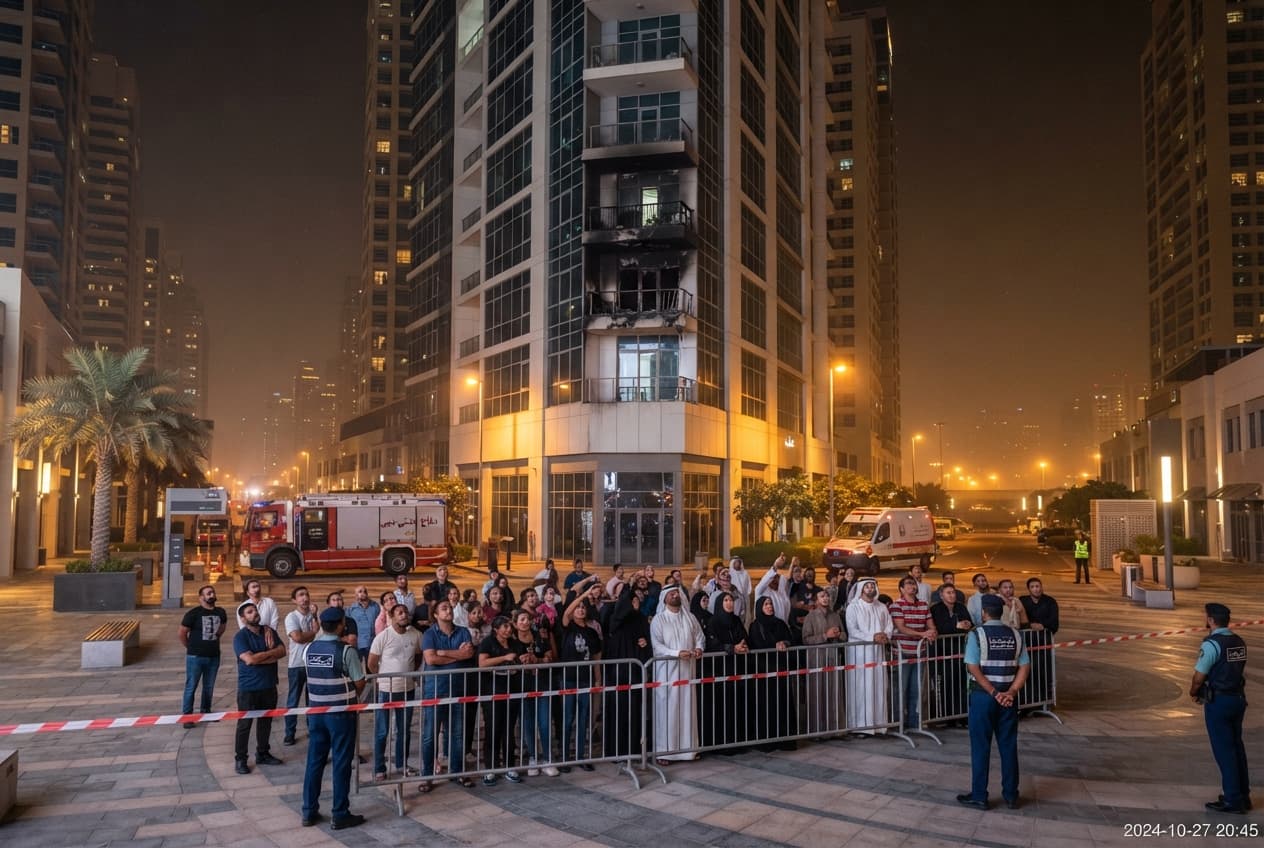
Beijing's emergency services responded with massive force. Within minutes of the collision, dozens of fire engines, ambulances, and specialized high-rise rescue units blocked off the surrounding financial center.
Municipal authorities immediately initiated a full-scale evacuation of the CITIC Tower and adjacent structures. First responders faced the immense logistical challenge of moving thousands of office workers down from the building's 108 floors.
Following the impact, the building's advanced internal automated sprinkler systems immediately engaged, successfully containing the localized fire caused by the aircraft's fuel. While several individuals on the targeted floors sustained injuries from smoke inhalation and flying glass, Beijing medical officials report that a catastrophic structural collapse was avoided. Meanwhile, the fate of the aircraft’s pilot and any potential passengers remains unconfirmed.
The airspace over central Beijing is among the most heavily restricted and tightly monitored in the world, raising immediate and serious questions about how a civilian light aircraft managed to penetrate the capital's core.
State aviation authorities and police have launched a joint investigation into the cause of the disaster, urging the public not to speculate while they focus on two primary possibilities. Investigators are currently looking into whether a severe mechanical failure caused a catastrophic loss of control or instrumentation failure that left the pilot unable to steer clear of the skyscraper zone, or if an immediate medical emergency incapacitated the pilot while navigating near the city center.
As night fell over Beijing, search and rescue operations continued intensely inside the upper levels of China Zun. The iconic tower, typically a glowing symbol of the capital's modernity, stood dark against the skyline, surrounded by emergency lights as a nation waits for answers.
Published by Banx Network. This article is part of the Banx decentralized media programme, powered by the BXE token on the XRP Ledger.