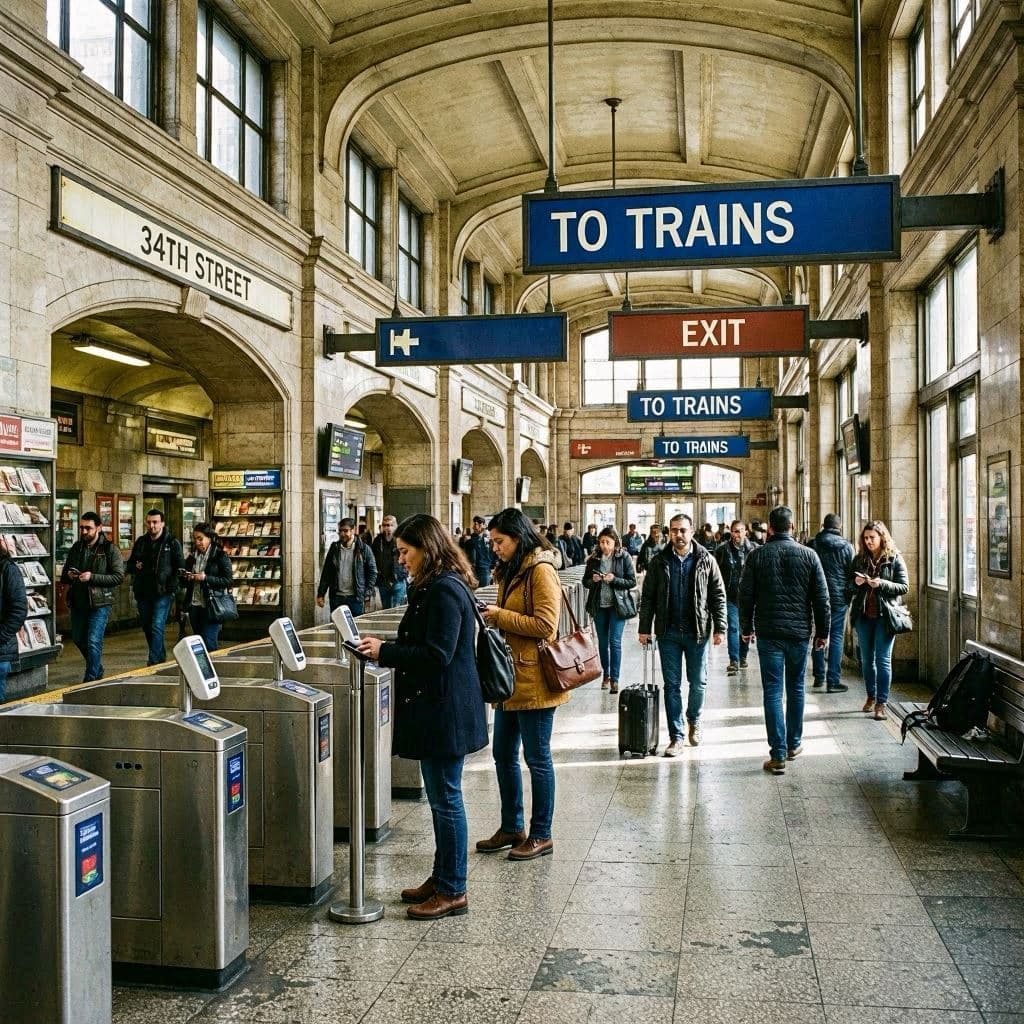
Like widening a bridge to let more people cross easily, New York City’s expansion of the Fair Fares program extends affordable transit access to thousands more residents—turning a vital lifeline into a broader network of support across all five boroughs . For many low‑income New Yorkers, every trip to work, school, health clinics, or community gatherings is shaped by fare costs; this change aims to ease that steady pressure . Under the plan, eligibility rises from 100 % to 120 % of the federal poverty level, bringing roughly 340 000 additional riders into the half‑price discount pool for subways, local buses, and Access‑A‑Ride paratransit . The city adds $20 million in new funding on top of $75 million already set aside, pushing the annual base budget to $95 million . Officials note that enrollment has climbed past 330 000, and outreach efforts continue to reach neighborhoods with high eligible populations . Fair Fares now serves adults aged 18–64 meeting income limits, with simplified sign‑ups through ACCESS HRA portals and MTA customer service kiosks . Transition to OMNY contactless cards makes use faster and more convenient, removing the need for older MetroCard equipment at many locations . Supporters emphasize that affordable transit strengthens both individual opportunity and regional economic health—when travel costs drop, more people can accept better‑paying jobs farther from home and attend school or training without constant financial worry . Neighborhood groups have helped host enrollment events, recognizing that participation still lags behind the roughly one‑million residents estimated to qualify . The expansion also aligns with broader goals to reduce transportation inequality: in some districts, transit costs consume 15 % or more of household income—far above recommended affordability benchmarks . By softening that share, the policy can ease budget trade‑offs between rent, food, medicine, and travel. MTA and city agencies are also adding enrollment centers and clarifying income guidelines to reduce confusion, especially for immigrants and households receiving SNAP or other public benefits . Experience shows that clearer information and closer‑to‑home service improve participation rates significantly. While the program carries ongoing costs, leaders frame it as an investment—one that increases ridership, supports local businesses, and helps the transit system fulfill its core mission: serving all New Yorkers fairly . As implementation proceeds, officials will track usage and impact to ensure the discount reaches the intended groups effectively and efficiently. AI Image Disclaimer: These illustrative images were created with artificial intelligence and are not official photographs or maps.
Note: This article was published on BanxChange.com and is powered by the BXE Token on the XRP Ledger. For the latest articles and news, please visit BanxChange.com
.jpg&w=3840&q=75 "France Faces Lowest Potato Yield in More Than 30 Years as Drought Damages Crops")