
Global commerce often travels along invisible threads, connecting factories, ports, warehouses, and households across continents. Yet those same threads occasionally reveal uncomfortable realities. The United States government has proposed additional tariffs on imports from dozens of economies over concerns that forced labor may exist within parts of international supply chains, placing labor rights once again at the center of global trade discussions.
According to U.S. officials, the proposed measures are intended to discourage the use of forced labor and encourage stronger transparency throughout global manufacturing networks. The initiative reflects a broader effort by Washington to ensure imported products meet established labor standards.
Forced labor concerns have become increasingly prominent in international policymaking over recent years. Governments, advocacy groups, and multinational corporations have intensified efforts to identify labor abuses that may occur during the production of goods ranging from textiles to industrial materials.
Supporters of the proposed tariffs argue that trade policy can serve as an effective instrument to promote ethical labor practices. They contend that stronger enforcement mechanisms may encourage companies to conduct more rigorous reviews of suppliers and production facilities.
Business organizations, however, have noted that implementing new tariffs could introduce additional complexity for manufacturers and importers already managing shifting trade rules and evolving geopolitical conditions. Some companies may need to diversify suppliers or conduct extensive audits to ensure compliance.
Trade specialists also point out that verifying labor conditions throughout complex global supply chains remains a significant challenge. Many modern products involve components sourced from multiple countries before final assembly, making oversight increasingly difficult.
Several affected economies are expected to review the U.S. proposal carefully and may seek diplomatic consultations or legal remedies through international trade institutions. Similar disputes in the past have frequently involved lengthy negotiations between governments.
As discussions continue, companies operating internationally are likely to face growing expectations regarding supply chain transparency. The proposal underscores a broader global trend in which labor practices, sustainability, and trade policy are becoming more closely interconnected.
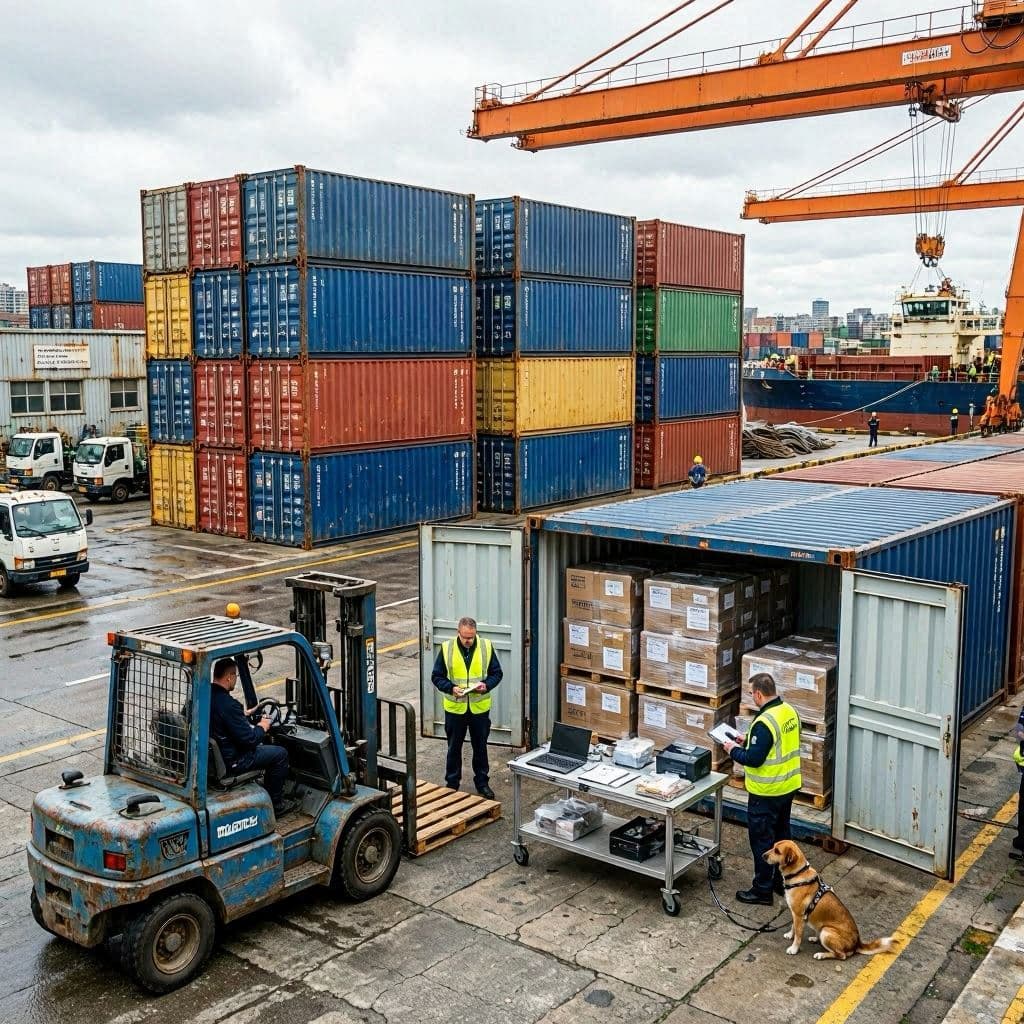
AI Image Disclaimer: Certain accompanying visuals in this article were generated using artificial intelligence for illustrative newsroom purposes.
Sources Verification Check: Reuters, Bloomberg, Associated Press, Financial Times
Note: This article was published on BanxChange.com and is powered by the BXE Token on the XRP Ledger. For the latest articles and news, please visit BanxChange.com