
Key Highlights
- Incident:A community leader was assassinated in Port-au-Prince this morning.
- Context:The attack reflects the growing influence of armed gangs in the area.
- Community Impact:Residents are fearful and businesses have shut down in response.
A well-known local community leader was gunned down in his home district of Port-au-Prince early this morning, marking a significant escalation in the ongoing security crisis in Haiti. The assassination occurred as the victim was walking toward a neighborhood meeting, a routine that has now turned deadly. Armed men approached on motorcycles, opened fire, and fled the scene before bystanders could react. The precision of the attack suggests a high level of coordination, raising concerns about the organized nature of gang violence in the capital.
The victim had been an outspoken critic of the armed factions that control large portions of Port-au-Prince. Colleagues and residents describe him as a tireless advocate for local security and basic infrastructure, making his assassination particularly shocking. "He was the only one who dared to stand up to them," said a local shopkeeper, reflecting the sentiments of many in the community. This targeted killing is being interpreted as a clear warning to others who might consider challenging the authority of the gangs that have increasingly dominated the area.
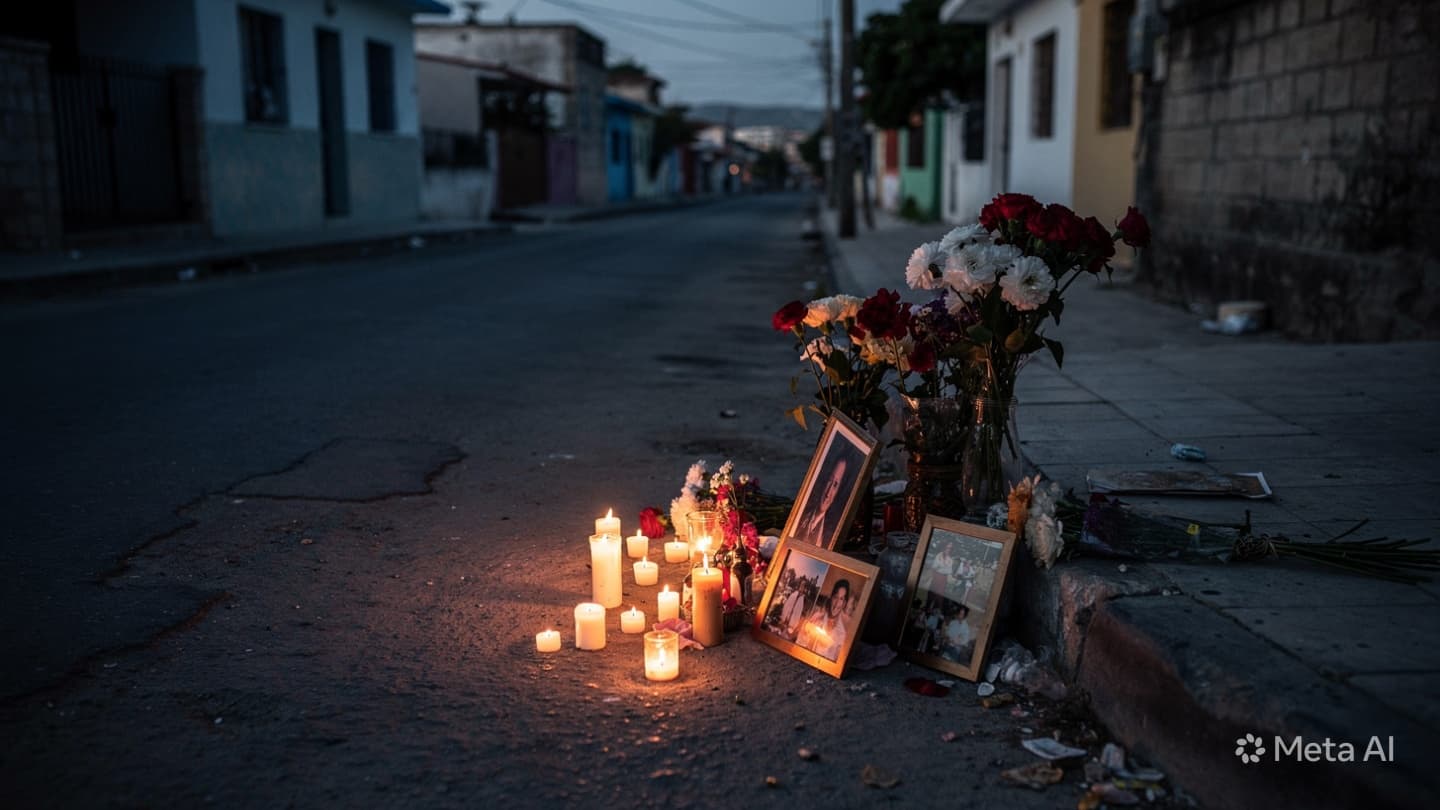
As news of the assassination spread, the neighborhood descended into a state of mourning and fear. Many residents have expressed concerns that their own voices will be silenced, further stifling any potential resistance against the gangs. The police response was notably delayed, arriving at the scene hours after the shooting. This lack of timely intervention underscores the challenges faced by law enforcement in addressing political murders, which rarely lead to accountability or justice.
The atmosphere in the district has changed dramatically since the assassination. Small businesses have closed, and residents are now retreating behind locked doors, creating a palpable sense of dread. The death of a civilian advocate highlights the narrowing space for organized social resistance in a city already grappling with rampant violence and instability. International observers have long warned that the targeting of local leadership is a precursor to total gang consolidation, and this incident only reinforces those fears.
With each assassination, the ability of the community to self-organize diminishes, leaving residents feeling increasingly vulnerable. The victim’s family is currently in hiding, fearing further retaliation from the gangs. No memorial service has been scheduled, as the risk of gatherings being targeted by armed groups remains too high. For now, the district remains silent, waiting to see what the next wave of intimidation will bring, as the community grapples with the implications of this tragic loss.
Published by Banx Network. This article is part of the Banx decentralized media programme, powered by the BXE token on the XRP Ledger.



