
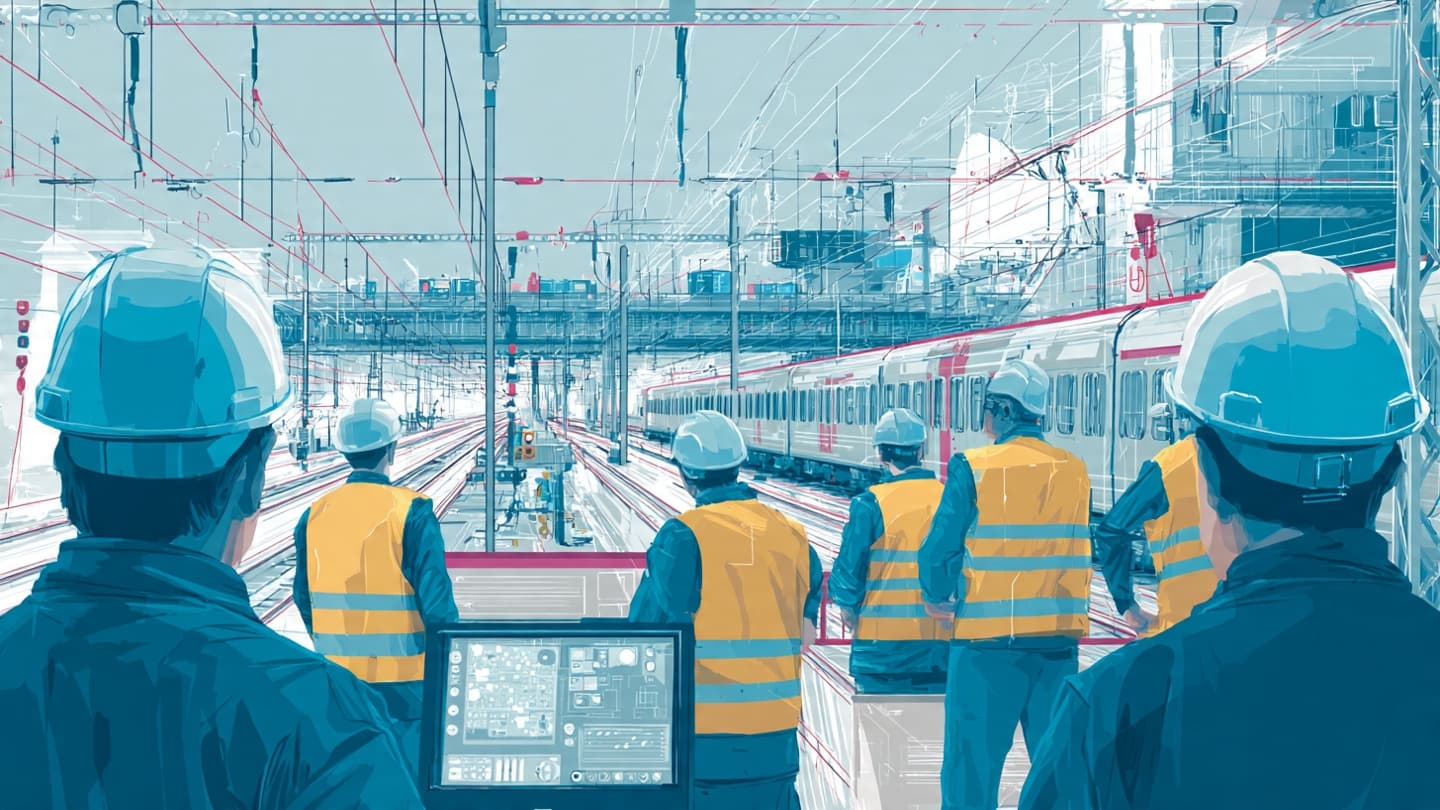
Transportation has always shaped the rhythm of human progress. Roads linked communities, ships connected continents, and railways transformed how people and goods moved across nations. In France, where high-speed rail has long been a symbol of engineering achievement, a new phase of modernization is underway. The effort seeks not only to improve efficiency and reliability but also to strengthen the role of sustainable transportation in the decades ahead.
France’s high-speed rail network is among the most recognized in the world. For many travelers, rail offers an alternative that combines speed, comfort, and convenience. As environmental concerns become increasingly central to transportation planning, policymakers view rail infrastructure as an important component of low-emission mobility strategies.
Modernization projects focus on multiple objectives. Upgraded tracks, improved signaling systems, enhanced station facilities, and more efficient train technologies all contribute to network performance. These investments aim to support growing passenger demand while maintaining high standards of safety and reliability.
Rail transportation offers notable environmental advantages. Compared with many other forms of long-distance travel, electric rail systems can operate with lower greenhouse gas emissions, particularly when powered by low-carbon energy sources. As countries pursue climate targets, rail networks are increasingly viewed as strategic assets.
The economic significance of transportation infrastructure extends beyond mobility alone. Modern rail systems facilitate business activity, tourism, regional development, and labor market connectivity. Efficient transportation links can strengthen relationships between cities while supporting broader economic growth.
Technological innovation continues to influence the sector. Advanced digital monitoring systems, predictive maintenance tools, and smart operational platforms help railway operators improve efficiency and reduce service disruptions. Such technologies contribute to both performance and passenger satisfaction.
Passenger experience remains another important consideration. Modernization efforts often include accessibility improvements, upgraded amenities, and enhanced digital services. Travelers increasingly expect transportation systems that are not only efficient but also user-friendly and adaptable to changing needs.
Urban planners and environmental experts frequently highlight the role of rail within integrated transportation networks. Connections between trains, buses, bicycles, and pedestrian infrastructure create mobility ecosystems that reduce dependence on private vehicles while improving accessibility.
Large infrastructure projects inevitably require substantial investment and long-term planning. Construction timelines, technical requirements, and coordination among multiple stakeholders present ongoing challenges. However, many policymakers view these efforts as investments in future resilience and sustainability.
The modernization of France’s rail network reflects a broader vision of transportation. It is not simply about moving faster from one destination to another. It is about creating systems that balance efficiency, environmental responsibility, and economic opportunity. Along the rails stretching across the country, that vision continues to take shape.
AI Image Disclaimer: Images in this article are AI-generated illustrations, meant for concept only.
Source Check Credible sources identified:
Reuters Bloomberg Euronews International Union of Railways (UIC) European Commission Transport Reports
Note: This article was published on BanxChange.com and is powered by the BXE Token on the XRP Ledger. For the latest articles and news, please visit BanxChange.com