The human brain is often described as nature's most intricate creation, a network of billions of cells weaving thoughts, memories, and emotions throughout a lifetime. Yet new research suggests that the brain's remarkable development may depend on a process that appears, at first glance, surprisingly destructive.
Researchers in Japan have discovered evidence indicating that developing neurons temporarily damage their own DNA as part of the normal process of brain formation. The findings challenge conventional assumptions about cellular development and open new avenues for neurological research.
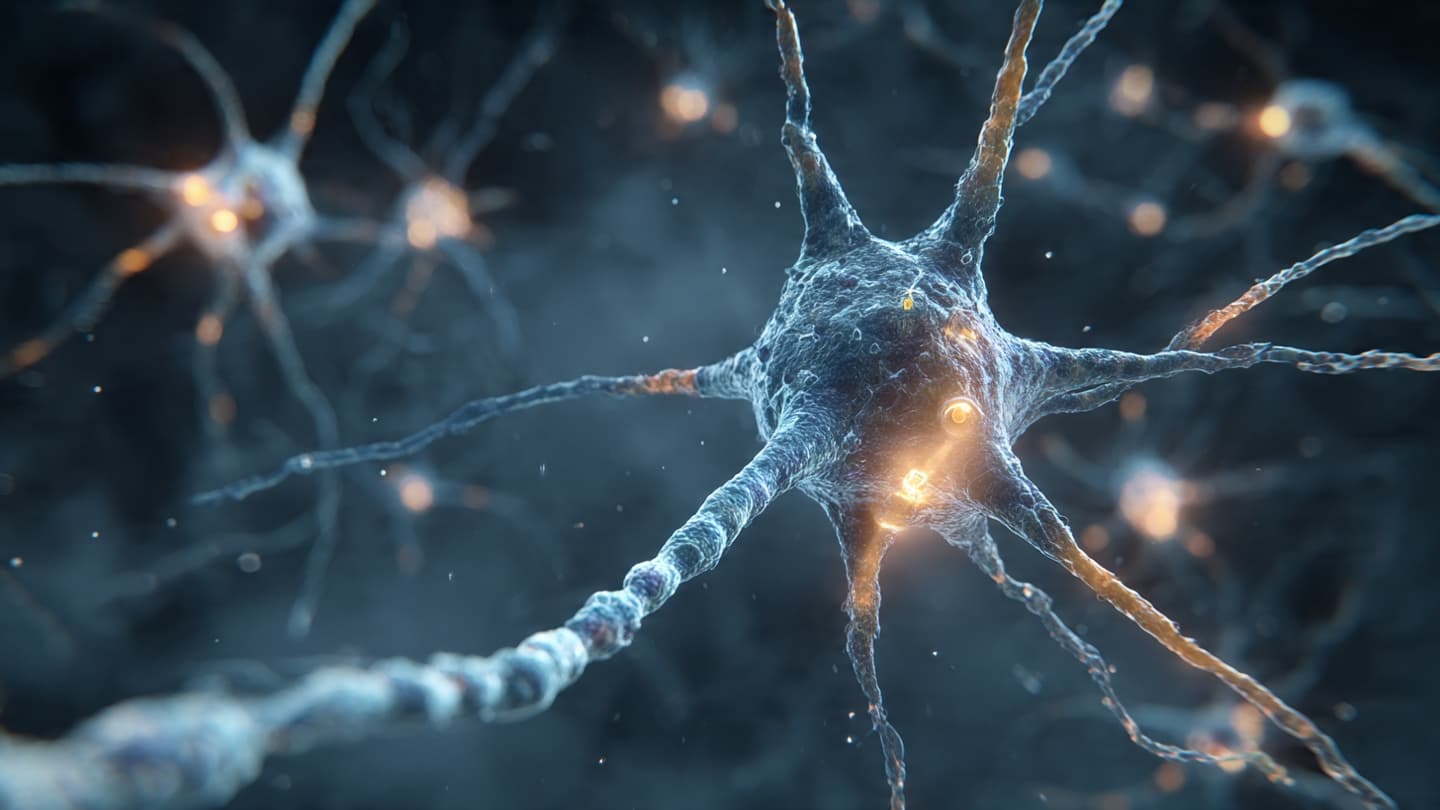
According to the study, young neurons intentionally generate brief DNA breaks while establishing complex connections within the developing brain. Scientists believe these controlled disruptions may help activate genes necessary for neuronal growth and specialization.
Importantly, researchers emphasized that the observed DNA damage differs from harmful genetic injury associated with disease or aging. Instead, the process appears tightly regulated and is repaired as development proceeds.
The discovery could improve understanding of how the brain forms during early life. Scientists are particularly interested in whether disruptions to these mechanisms might contribute to neurodevelopmental disorders.
Advanced imaging techniques and molecular analyses allowed researchers to observe the cellular processes in unprecedented detail. Such technologies continue to transform neuroscience by revealing previously hidden aspects of brain biology.
Experts caution that additional studies will be necessary to determine how broadly these findings apply across species, including humans. Nevertheless, many researchers consider the study an important contribution to developmental neuroscience.
As investigations continue, the research underscores how biological systems often rely on delicate balances, where processes that appear harmful may, under carefully controlled conditions, play essential roles in life itself.
AI-generated image disclaimer: Illustrations accompanying this report were generated using artificial intelligence to visualize scientific concepts.
Source Verification Check: ScienceDaily, Nature Neuroscience, Phys.org, University research releases
Published by Banx Network. This article is part of the Banx decentralized media programme, powered by the BXE token on the XRP Ledger.