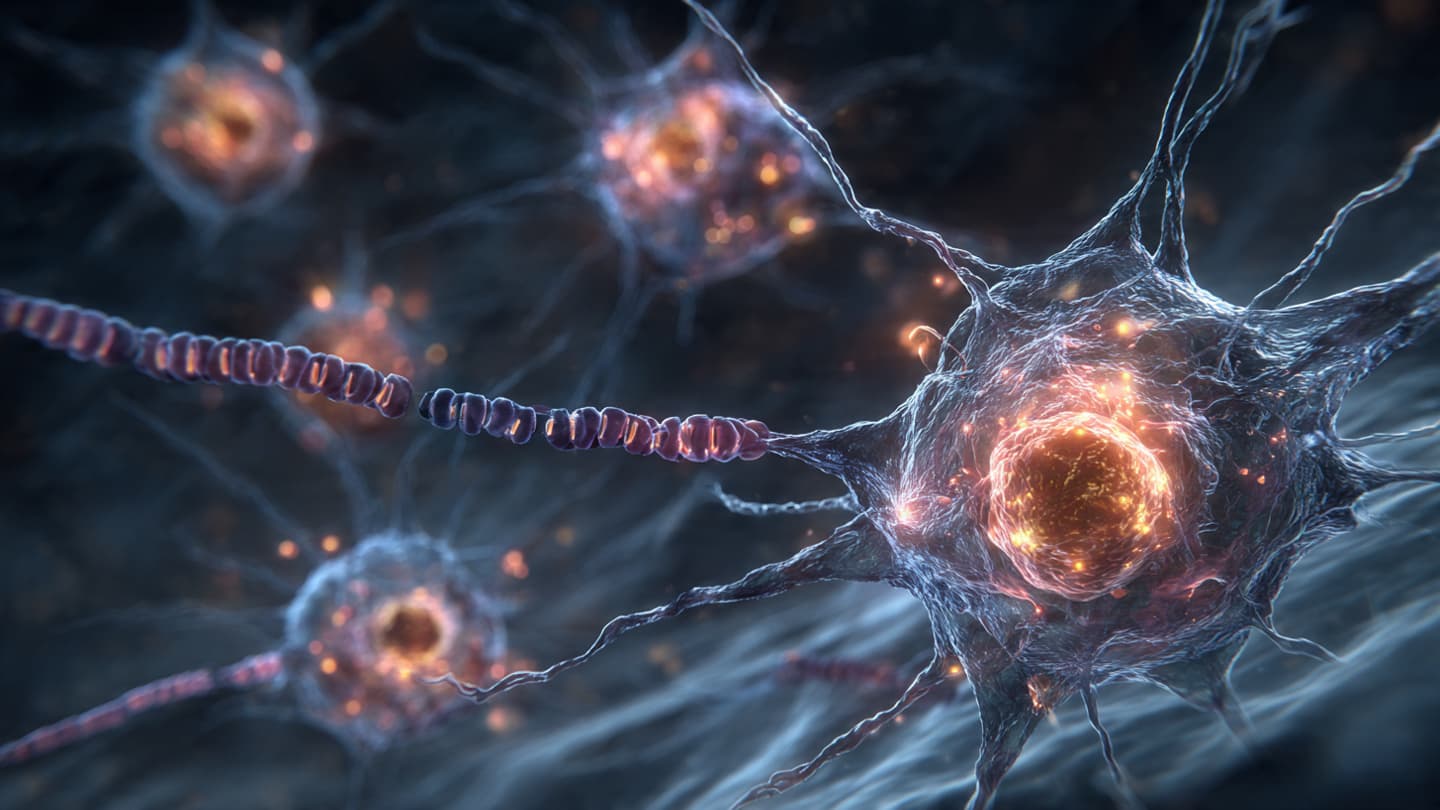
The human brain is often described as nature's most intricate masterpiece, a vast constellation of cells weaving memory, emotion, and consciousness into everyday life. Yet new research suggests that the path toward building this remarkable organ may involve a surprising and seemingly contradictory process: temporary damage to DNA.
Researchers studying early brain development have found evidence that young neurons may intentionally undergo controlled DNA breaks as part of their normal maturation process. Rather than representing harmful defects, these breaks appear to play an essential role in enabling brain cells to develop properly.
The findings challenge traditional assumptions that DNA damage is always undesirable. Scientists have long associated genetic damage with aging, disease, or environmental stress. However, the new study indicates that, under tightly regulated conditions, temporary DNA alterations may contribute to healthy development.
According to the researchers, these DNA breaks help activate specific genes required for neuronal growth and specialization. As immature neurons transform into fully functional brain cells, precise genetic instructions must be turned on and off at carefully timed intervals.
Importantly, the study suggests that brain cells possess sophisticated repair mechanisms that rapidly mend the temporary DNA disruptions. Problems may arise only when repair systems fail or become overwhelmed.
The discovery could have important implications for understanding neurological disorders. Scientists believe that abnormalities in DNA repair processes may contribute to conditions affecting brain development and cognitive function.
Researchers caution that additional studies are necessary to determine exactly how these mechanisms operate in humans. Much remains unknown regarding the balance between beneficial and harmful DNA changes during development.
Nevertheless, the findings offer a new perspective on how the brain emerges from a collection of immature cells into one of biology's most complex systems. Sometimes, scientific discovery reveals that nature's designs are more nuanced than previously imagined.
AI Image Disclaimer: The illustration associated with this article was generated using artificial intelligence for visual reference only.
Sources: ScienceDaily, Nature, Cell, National Institutes of Health
Published by Banx Network. This article is part of the Banx decentralized media programme, powered by the BXE token on the XRP Ledger.