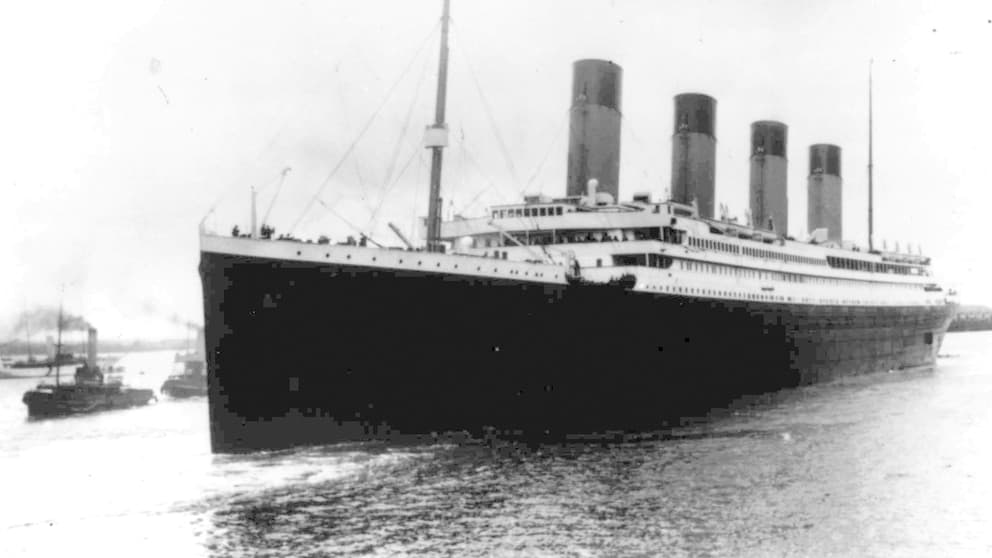
Plans to auction more than one hundred artifacts recovered from the wreck of the Titanic have sparked renewed debate over the treatment of one of history's most famous maritime disasters. The proposed sale includes a wide range of objects recovered from the wreck site, ranging from personal belongings and household items to decorative pieces and other historically significant materials. Government officials and preservation advocates argue that the artifacts represent an important part of shared cultural heritage and should be protected accordingly. They contend that dispersing items through private sales could make future research, exhibition, and conservation efforts more difficult. The dispute highlights ongoing tensions between commercial interests and historical preservation. Since the discovery of the Titanic wreck in 1985, numerous expeditions have recovered thousands of artifacts from the site. These objects have been displayed in museums and traveling exhibitions around the world, helping educate millions of visitors about the ship, its passengers, and the tragedy that unfolded in April 1912. Supporters of the auction maintain that responsible ownership can help preserve artifacts and ensure continued public interest in Titanic history. They argue that collectors often invest significant resources into conservation and documentation. Some also note that artifact sales have occurred previously under legal frameworks governing salvage rights. Opponents counter that the Titanic occupies a unique place in global memory and should be treated differently from ordinary shipwrecks. Many view the site as a memorial to the more than 1,500 people who lost their lives during the disaster. From this perspective, artifacts recovered from the wreck carry ethical as well as historical significance. The legal issues surrounding the wreck have evolved over decades. Courts, governments, and international organizations have all played roles in determining how the site should be managed. Questions involving ownership, salvage rights, preservation standards, and public access continue to generate debate among legal experts and historians. Public fascination with the Titanic remains remarkably strong more than a century after the sinking. Books, films, documentaries, and museum exhibitions consistently attract large audiences. This enduring interest contributes to the high value placed on authentic artifacts associated with the ship. Preservation specialists emphasize that artifacts recovered from deep-sea environments require extensive conservation work. Without proper treatment, exposure to air and changing conditions can accelerate deterioration. Long-term stewardship therefore remains a central concern regardless of ownership arrangements. The current controversy underscores broader questions about how societies preserve important historical sites and objects. As technology enables deeper exploration and recovery efforts, similar debates are likely to arise involving other significant shipwrecks and archaeological locations. Whatever the outcome, the dispute reflects the enduring emotional and historical power of the Titanic story. More than a century after the ship's sinking, decisions about its artifacts continue to generate passionate responses from governments, historians, collectors, and the public.
Published by Banx Network. This article is part of the Banx decentralized media programme, powered by the BXE token on the XRP Ledger.