There are landscapes that inspire awe not only because of their beauty, but because they quietly remind visitors of nature's immense scale. The Grand Canyon, carved over millions of years by wind, water, and time, has long stood as one of those places. Yet beneath its vast red walls and sweeping vistas, the desert environment can shift from majestic to perilous with little warning.
Several hikers have died in recent days as extreme heat gripped the Grand Canyon region, prompting renewed warnings from park officials about the dangers posed by soaring summer temperatures. The fatalities occurred during a period when temperatures in parts of the national park climbed well above 100 degrees Fahrenheit.
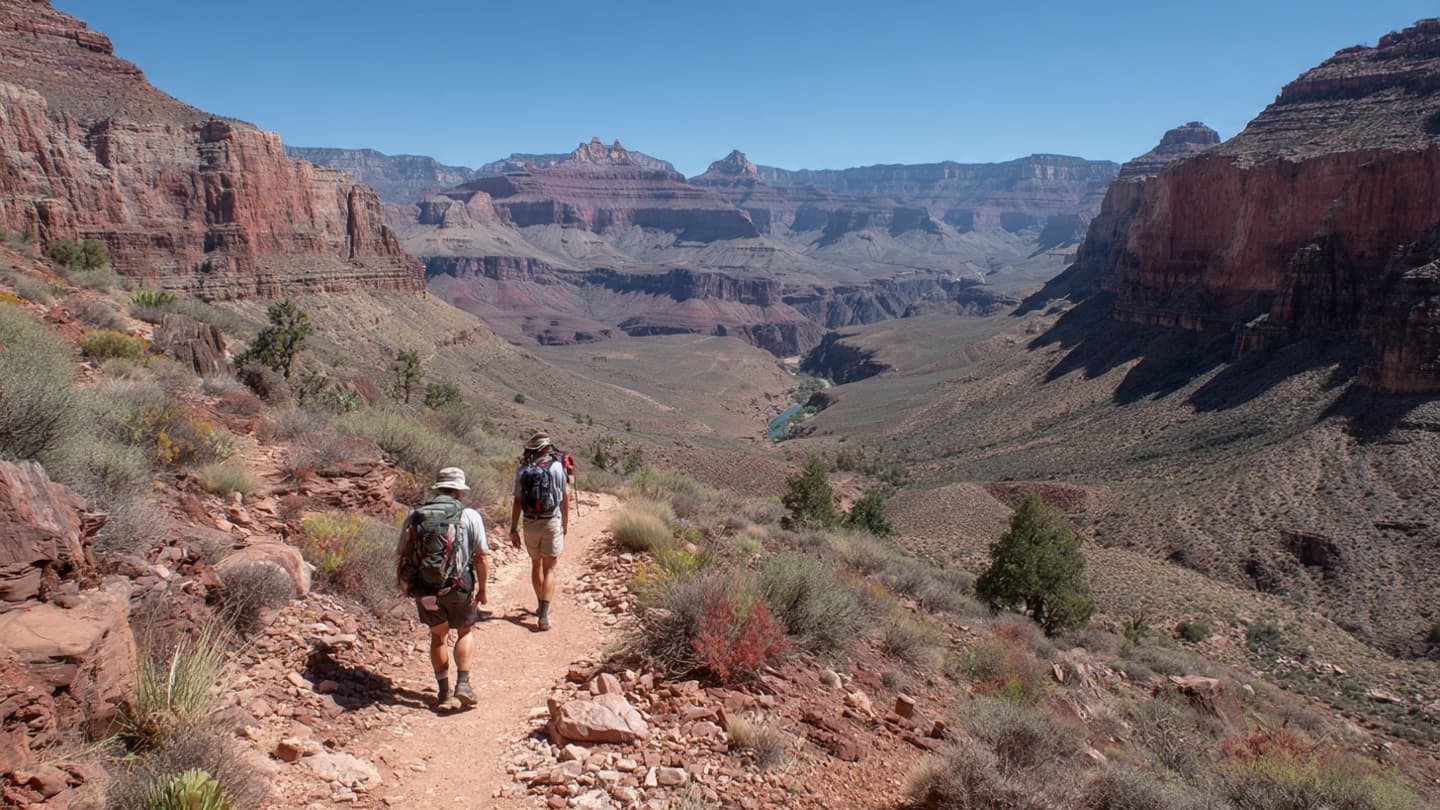
Officials from the National Park Service have repeatedly advised visitors to avoid strenuous hiking during the hottest hours of the day, particularly on trails descending below the canyon rim. Temperatures at lower elevations inside the canyon can be significantly higher than those recorded at visitor centers along the rim.
Heat-related illnesses remain among the most serious risks faced by visitors. Symptoms such as dizziness, confusion, nausea, and exhaustion can develop rapidly, especially when hikers underestimate the physical demands of the terrain.
Park authorities note that many rescue operations involve individuals who begin hikes without sufficient water, electrolytes, or an understanding of the canyon's steep elevation changes. Descending into the canyon can feel manageable, but the climb back to higher elevations often proves far more demanding.
Climate scientists have also observed a broader trend of increasingly frequent and intense heat events across parts of the American Southwest. Such conditions are raising concerns about visitor safety in outdoor recreation areas throughout the region.
In response, Grand Canyon officials continue to encourage visitors to hike during early morning hours, monitor weather conditions closely, and reconsider ambitious itineraries during extreme heat advisories.
Search-and-rescue teams remain active throughout the summer season, prepared to respond to emergencies as visitor numbers remain high.
Authorities continue to investigate the recent deaths while emphasizing that preparation and awareness remain essential for safely exploring one of America's most iconic landscapes.
AI Image Disclaimer: The accompanying visuals are AI-generated representations created to illustrate the environmental conditions described in this report.
Source Verification Check: National Park Service, Associated Press, Reuters, CNN
Published by Banx Network. This article is part of the Banx decentralized media programme, powered by the BXE token on the XRP Ledger.