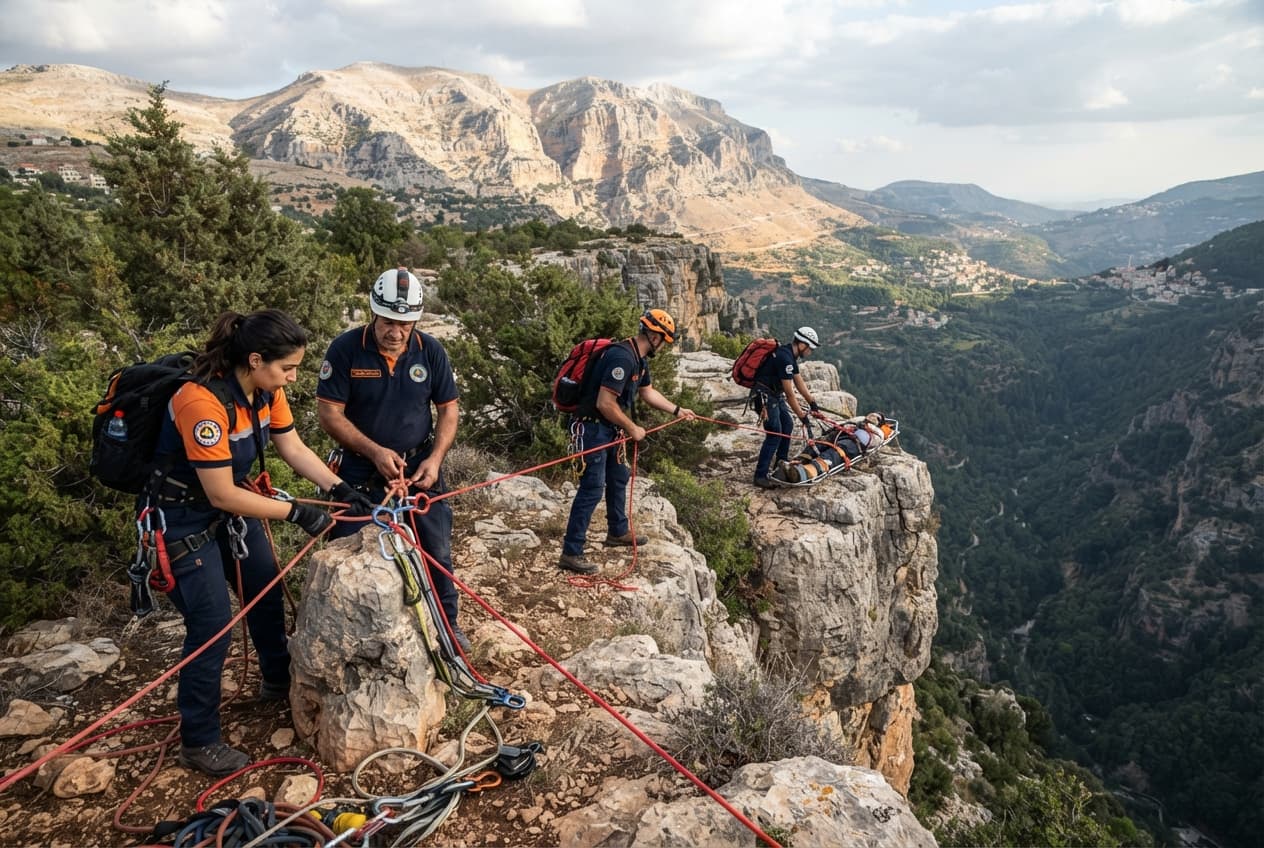
The road that winds through the Gondar Zone is steeped in history, its old stones having witnessed centuries of trade, pilgrimage, and the quiet movement of rural life. It is a landscape where the mountains rise with a jagged, majestic indifference to the human dramas played out at their feet. Along these routes, relief workers travel as secular missionaries, their vehicles carrying the essential sustenance of health and comfort to communities isolated by geography and circumstance. They operate on an invisible currency of trust, assuming that their neutral mission will shield them from the currents of local strife.
Yet, the contemporary landscape has grown increasingly unpredictable, a place where the old respect for the humanitarian emblem is sometimes obscured by desperation or lawlessness. The act of kidnapping for ransom turns a human being into a commodity, a ledger item to be bartered in the hidden recesses of the hills. For the individual taken from the roadside, the world narrows instantly from the vast horizon of service to the cramped, uncertain confines of captivity.
The narrative that emerged from the northern hills over the weekend was one of profound tragedy, confirming the darkest fears of the humanitarian community. A relief worker, whose life had been dedicated to mitigating the hardships of others, was found dead after days of agonizing isolation. The details of the captivity speak of a harsh, unyielding duress, where the appeals of families and colleagues were met only with demands that could not be fulfilled. The final outcome was not a release, but a violent conclusion that left an entire organization in mourning.
In the offices of the aid agency, the atmosphere is one of stunned, heavy disbelief. Desks are cluttered with the paperwork of ongoing projects—orders for nutritional supplements, schedules for clean water deliveries—that now seem frozen in time. The colleagues who shared meals and strategies with the deceased sit in quiet consultation, struggling to reconcile their commitment to the region with the terrifying vulnerability of their position. It is a moment that forces a painful re-evaluation of what it means to help in a time of fracture.
The impact of such an event extends far beyond the immediate circle of family and friends. When a relief worker is targeted, the invisible shield that protects all humanitarian operations in the zone is compromised. Other organizations must consider whether to pull their staff back to the safety of the major towns, a decision that inevitably leaves the most vulnerable populations without a lifeline. The cruelty of the act thus multiplies, affecting thousands who will never know the name of the fallen worker.
The local community, which had been the recipient of the worker’s dedication, has expressed its sorrow in the quiet ways of the countryside. Small groups of elders have visited the agency headquarters, their heads bowed in shared shame that such a deed could occur within their geographic custody. In their traditional view, a guest who comes to heal should be protected with the collective life of the valley, and the failure to do so is felt as a stain on the local honor.
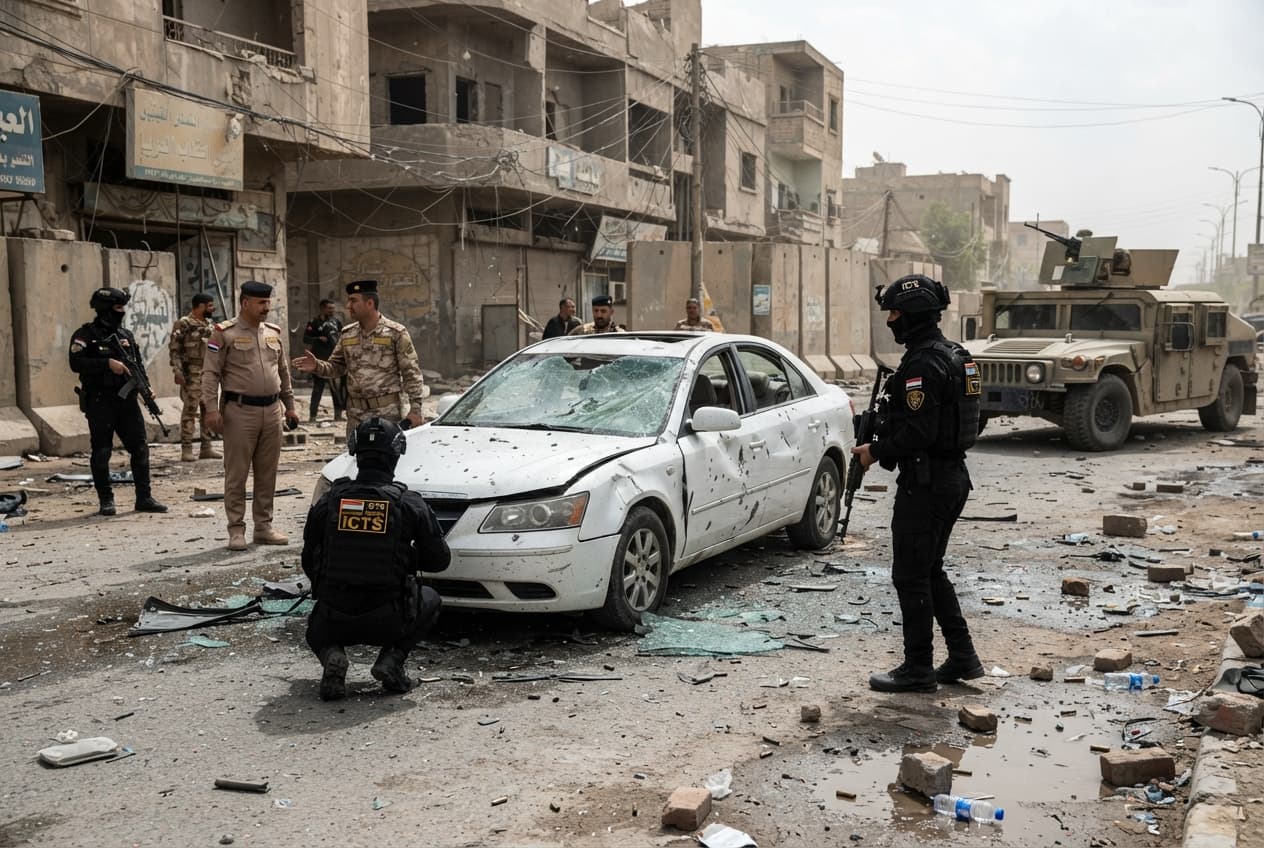
Security forces have initiated a sweep of the broken terrain where the holding site was suspected to be, searching for those responsible for the abduction and subsequent killing. The valleys are deep, however, and the caves offer many hiding places for those who know how to navigate the shadows. The pursuit of justice will be a long, arduous process, hampered by the very isolation that made the crime possible.
As the sun dips below the castles of Gondar, the flag outside the compound flies at half-mast, its fabric snapping softly in the mountain breeze. The work will eventually resume, because the hunger and sickness of the region do not pause for grief, but it will be carried out with heavier hearts and backward glances. The memory of the worker remains tethered to these hills, a testament to the high and terrible cost that compassion sometimes demands.
Published by Banx Network. This article is part of the Banx decentralized media programme, powered by the BXE token on the XRP Ledger.