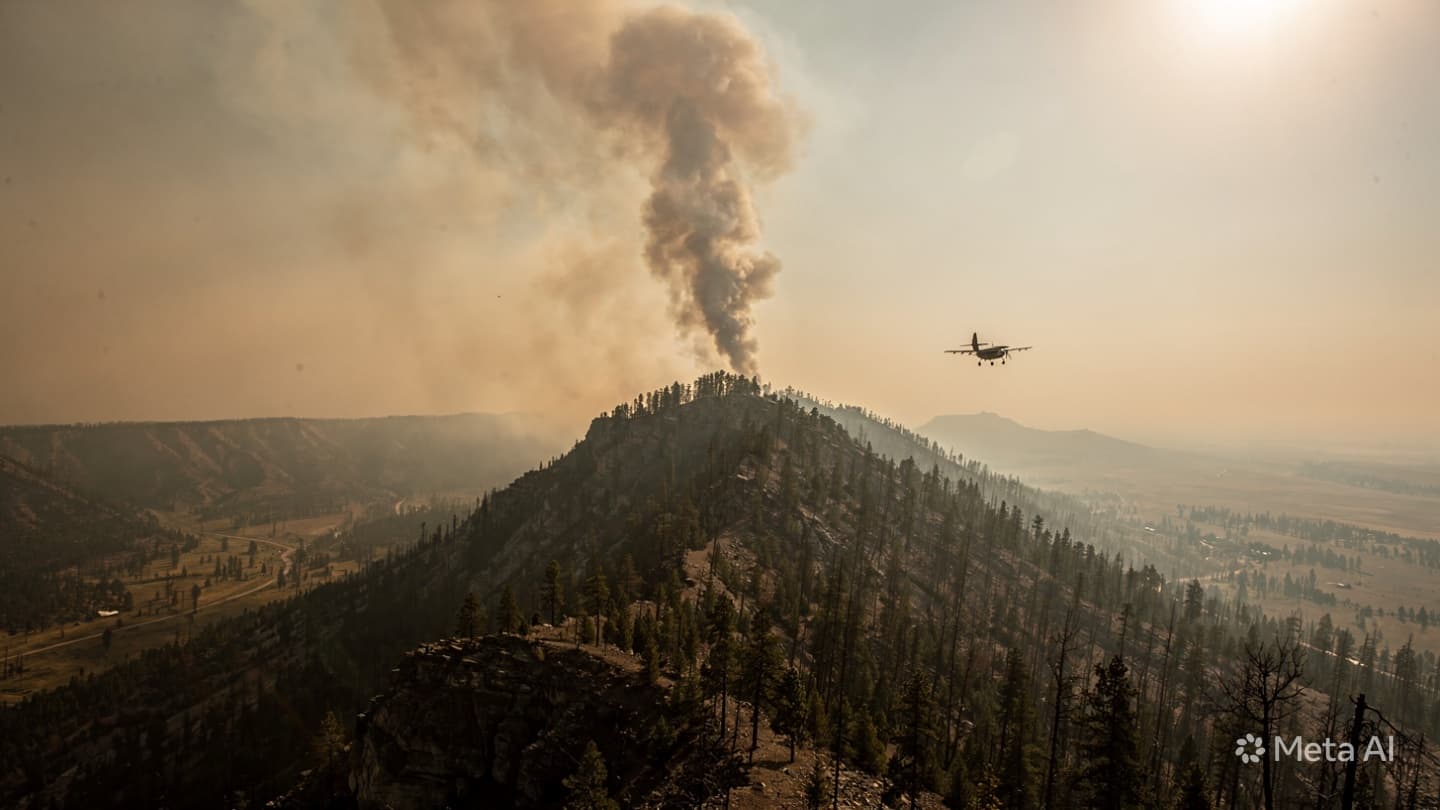
The mountain passes that carve their way through the high ridges of Andorra have always lived a double life. By day, they are realms of alpine beauty, where the wind sings through the wild pine and hikers trace the ancient paths of shepherds. But when the sun dips behind the granite peaks, casting long, blue-black shadows over the scree slopes, these same trails historically transform into conduits of secrecy. For centuries, the border has been less of a solid wall and more of a shifting game played in the dark between those who enforce the law and those who seek to bypass it.
To move contraband through these altitudes requires a specific kind of intimacy with the terrain, a knowledge of where the ridge blocks the wind and where the scree will not rattle under a heavy boot. The modern smuggler has traded the traditional mule for night-vision optics and high-clearance vehicles, yet the fundamental reliance on the cover of nature remains unchanged. They move when the clouds hang low over the valleys, obscuring the stars and dampening the sound of footsteps on the damp earth.
For months, an international network had been operating within these limestone folds, treating the international border as a minor inconvenience rather than a legal boundary. They moved their cargo along paths that are often invisible to the casual observer, using the natural topography to shield their movements from conventional surveillance. It was a sophisticated operation, timed to the minute to exploit the shifts in border patrols and the predictable patterns of alpine weather.
Yet, the stillness of the high country can be deceptive, and even the most carefully planned route leaves its mark on the landscape. A broken branch, a tire track left in the high clay mud, or the sudden silhouette of a figure where no hiker should be after midnight can alert the watchful eye. Andorran police, working in quiet coordination with border authorities, spent weeks mapping these subtle anomalies, transforming the wilderness into a grid of patient observation.
The culmination of the investigation occurred not with a loud confrontation, but with the quiet finality of a well-placed perimeter in the dead of night. As the smuggling vehicles attempted to navigate a narrow, unpaved track winding down from a high pass, they found their exit blocked by the silent authority of flashing blue lights reflecting off the wet pine needles. The trap had been sprung with the precision of a clockwork mechanism, leaving no room for flight across the steep, rocky terrain.
Several individuals were taken into custody as the cold alpine wind continued to whistle through the valley, carrying with it the scent of wet earth and exhaust fumes. Inside the seized vehicles, hidden compartments revealed the extent of the illicit trade—a vast array of high-value contraband intended for distribution across European markets. The specialized nature of the concealment suggested a deeply entrenched organization that had long relied on the isolation of the mountains to guarantee its success.
There is a tertentu irony in the fact that the very geography that makes Andorra unique—its isolation, its rugged beauty, its high, protective walls of stone—has also made it a historical crossroads for clandestine activity. The authorities have spent decades modernizing their border enforcement, replacing simple stone outposts with thermal imaging and drone surveillance, yet the ancient human impulse to find the hidden path remains a constant variable.
As the morning light began to illuminate the peaks, the caravan of police vehicles made its slow descent back toward the valley floor, leaving the high passes to the birds and the early morning mist. The mountains, having witnessed another chapter in the long history of the border, returned to their characteristic silence, indifferent to the shifting legal boundaries defined by the human world below.
Published by Banx Network. This article is part of the Banx decentralized media programme, powered by the BXE token on the XRP Ledger.