
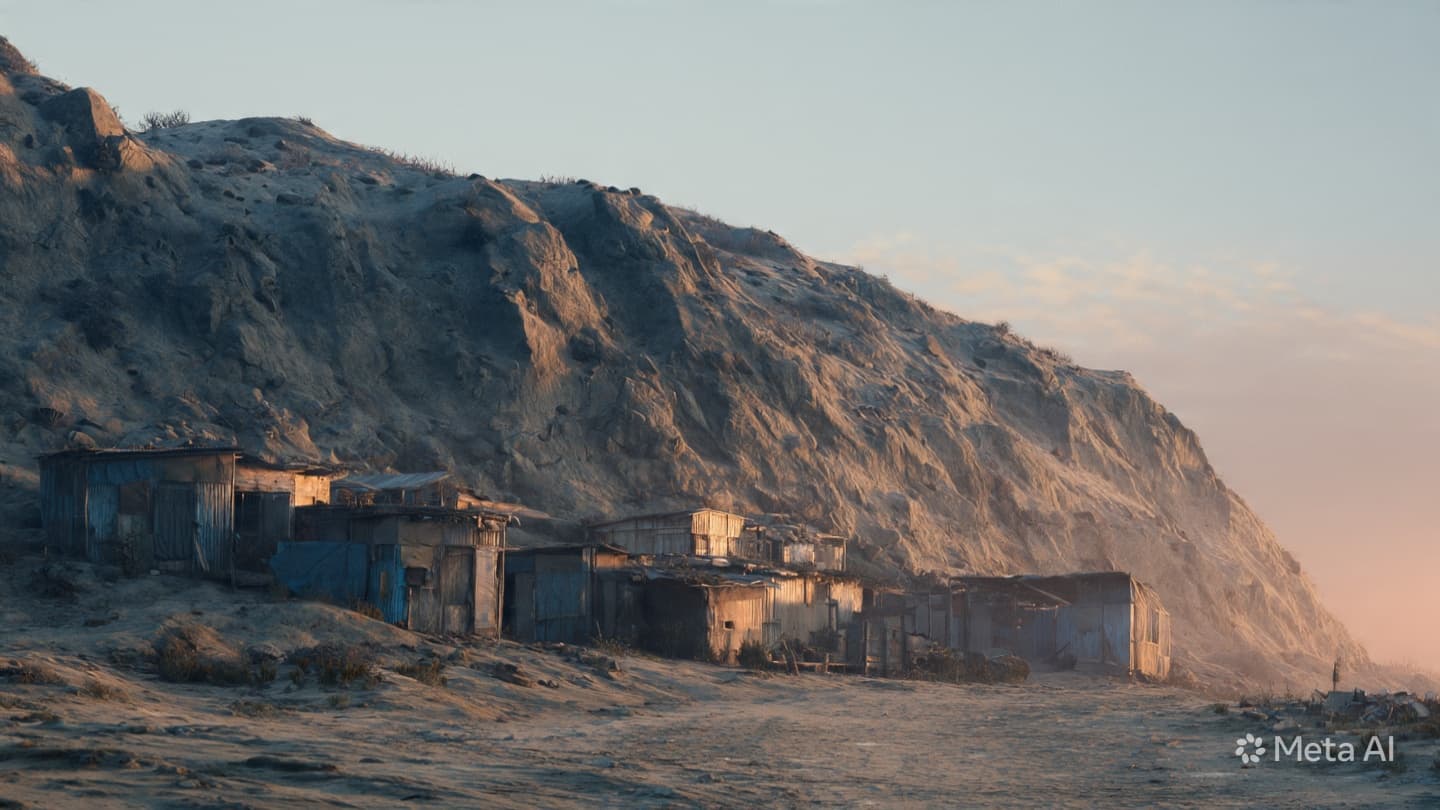
The terrain near the northern frontier is a place of harsh contrasts, where rocky outcrops cast long, protective shadows over the dry scrubland below. For months, these remote valleys have harbored secrets that the landscape itself seemed to guard with a stubborn, silent indifference. To live in the shadow of an outpost is to understand a reality where security is fragile and the night belongs to those who move without lights. It was within this quiet, unforgiving expanse that an elaborate architecture of confinement had been established, away from the eyes of the world.
The transition from captivity to liberation is rarely marked by immediate joy; more often, it begins with a profound, disorienting stillness. When the dawn broke over the dilapidated structures of the remote encampment, the air was cold and filled with the scent of spent fuel and disturbed earth. The individuals who stepped out into the early light did so with the hesitant, tentative movements of those who have long forgotten the luxury of open spaces. Their eyes, unaccustomed to the bright glare of the morning sun, scanned the horizon for reassurance.
Military operations in these borderlands require a precise, almost clinical synchronization, where success is measured in the preservation of life amidst chaos. The planning of such endeavors takes place in quiet rooms far from the frontline, where maps are studied until the contours of the land become second nature to the commanders. Yet, when the boots hit the ground, the abstract strategy dissolves into the immediate, physical reality of dust, sweat, and the heavy breathing of men carrying the weight of others' survival.
The outpost, once a symbol of dread for those held within its confines, quickly became a scene of methodical administrative processing. Medical personnel moved quietly among the rescued, offering blankets, water, and the gentle, reassuring words that signify the end of an ordeal. The language of trauma is universal, expressed not in words but in the slumped shoulders and vacant stares of those who have endured prolonged isolation under the threat of violence.
As the transport vehicles arrived to carry the former hostages away from the border, the sheer scale of the human drama became apparent. Families who had spent months in a state of suspended grief were beginning to receive the first, brief messages of hope transmitted across military frequencies. The process of reunification is a slow one, requiring patience and a gentle handling of spirits that have been tested to their absolute limits.
The regional dynamics that allow such enclaves to exist are complex, rooted in the porous nature of borders and the vast, unmonitored spaces that defy easy governance. For years, these border zones have served as a haven for splinter groups seeking to project power through intimidation and confinement. The dismantling of one such node provides a temporary reprieve, a brief moment of clarity in a long-standing regional challenge that defies simple solutions.
By midday, the camp was entirely deserted, left to the whistling wind and the circling birds that dominate the high skies of the frontier. The physical structures will eventually be swallowed by the bush, leaving little evidence of the suffering that occurred within them or the sudden, decisive movement that brought it to an end. The collective memory of the event, however, will linger long in the villages that dot the periphery of the zone.
A joint military task force successfully executed a rescue operation near the border, liberating approximately 200 individuals who had been held captive by a regional extremist group. Defense officials confirmed that the multi-agency operation achieved its primary objectives without civilian casualties, and the rescued individuals have been transferred to regional medical facilities for evaluation and support before being reunited with their families.
Note: This article was published on BanxChange.com and is powered by the BXE Token on the XRP Ledger. For the latest articles and news, please visit BanxChange.com