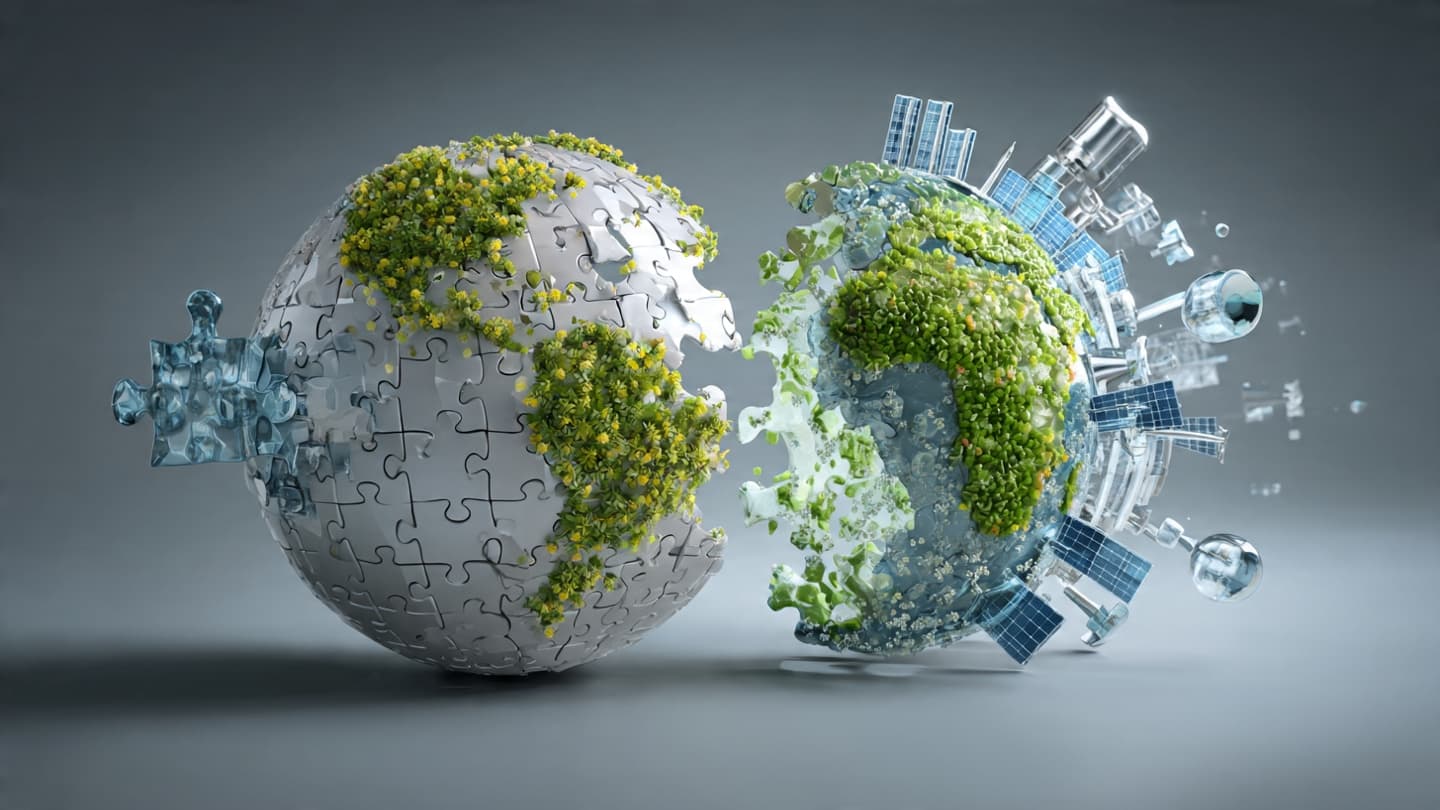
The world we live in today is often described as a web, where every point is connected to many others, and where movement in one place sends vibrations across the entire structure. This metaphor captures well the reality of modern international relations, where no country exists in isolation, and where the actions of one inevitably affect the lives and interests of many others. Understanding this interconnectedness is essential for anyone seeking to make sense of global events. In the past, relations between nations were often viewed through a simpler lens, focused primarily on military power or direct territorial interests. Today, however, the picture is far more detailed. It includes economic ties that bind markets together, cultural exchanges that shape ideas, technological links that enable instant communication, and environmental challenges that respect no borders. All these elements interact constantly, creating a dynamic and sometimes unpredictable environment. This complexity brings both opportunities and challenges. On one hand, it allows for unprecedented cooperation. Countries can share knowledge, trade goods, and work together on projects that benefit humanity as a whole. Solutions to global problems, from health crises to climate change, require this kind of collaboration, drawing on the strengths and resources of many nations. On the other hand, this closeness also means that difficulties can spread quickly. An economic downturn in one region can affect growth elsewhere, and political tensions in one area can create waves that disturb the peace in others. The same connections that allow for cooperation can also become channels for conflict or competition, requiring careful management to prevent misunderstandings. Navigating this landscape requires a different kind of skill. Leaders and diplomats must be able to see the bigger picture, understanding how different issues relate to one another. They need to balance the pursuit of national interests with the recognition that those interests are often best served through engagement and partnership. It is a delicate act, requiring flexibility, foresight, and patience. Different nations approach this challenge in different ways, based on their history, their size, and their capabilities. Some choose to focus on building strong regional partnerships, while others look to global institutions and agreements. Some emphasize economic development as the foundation of their foreign policy, while others place more weight on security and defense. Public opinion also plays an increasingly important role in shaping these approaches. As people become more aware of global issues through media and technology, their expectations influence how governments act. There is a growing demand for policies that are not only effective but also ethical, and that contribute to a more stable and fair world. As we move forward, the complexity will only increase. New technologies, new economic powers, and new global challenges will continue to reshape the environment in which nations interact. The ability to adapt, to communicate, and to find common ground will remain the keys to maintaining peace and ensuring progress in this interconnected age. AI Image Disclaimer Illustrations were produced with AI and serve as conceptual depictions. Sources
• Oxford Analytica
• The Interpreter
• World Politics Review
• Lowy Institute
• Institute for Security Studies
Published by Banx Network. This article is part of the Banx decentralized media programme, powered by the BXE token on the XRP Ledger.