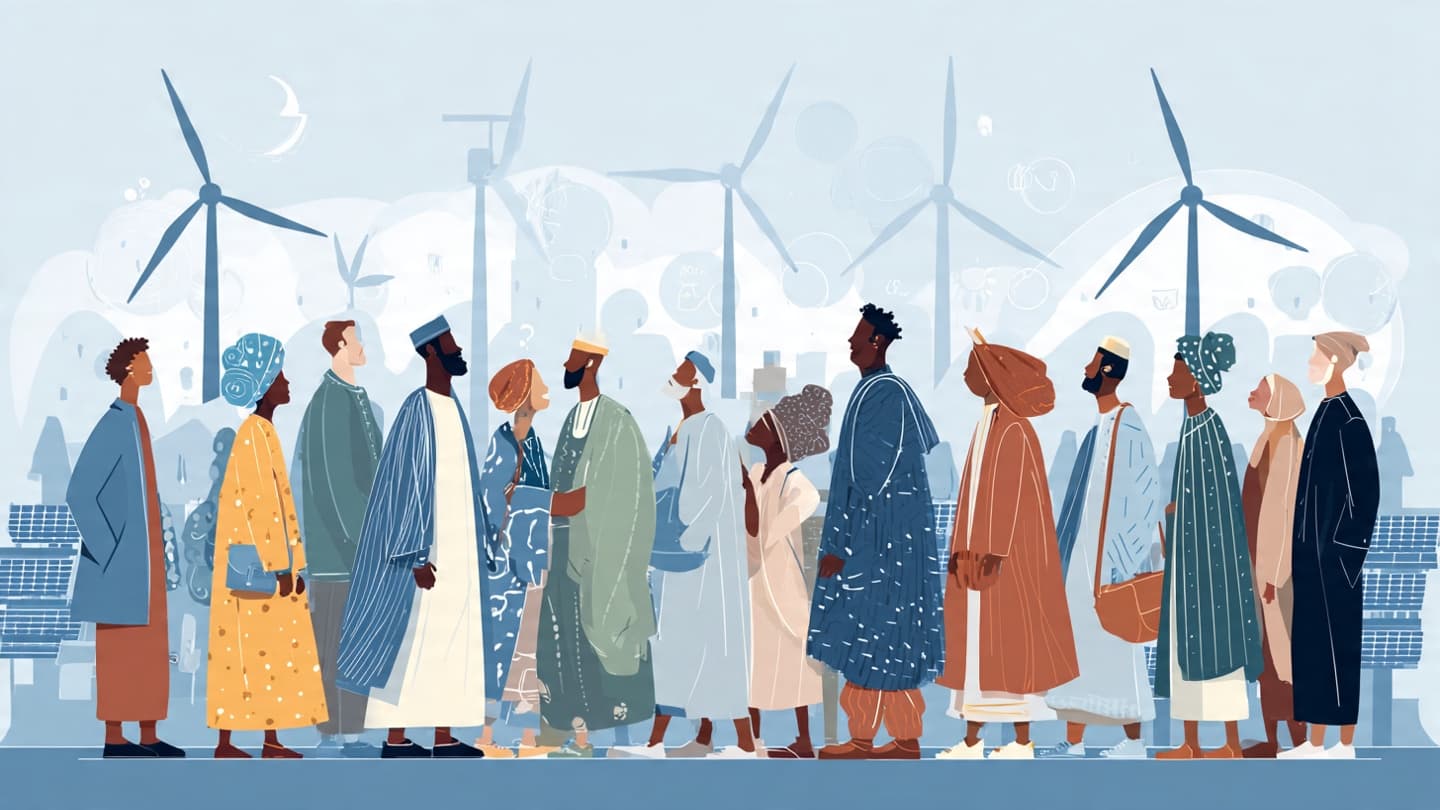
When we look at relations between countries, we often focus on the visible aspects: treaties signed, agreements reached, and policies announced. Yet, beneath these formal interactions lies a deeper layer composed of history, culture, and values. These elements play a significant role in shaping how nations perceive one another and how they choose to work together, adding richness and complexity to the diplomatic landscape. Culture acts as a powerful form of communication, often conveying messages that words alone cannot express. Through art, literature, music, and tradition, countries share their identity and their vision of the world. These exchanges do more than just entertain or educate; they build familiarity and appreciation, creating a foundation of goodwill that can make political cooperation easier. When people understand and respect each other’s cultures, it becomes simpler to find common ground even when interests differ. Values, too, are central to how nations engage. Concepts such as justice, freedom, solidarity, and responsibility are interpreted and prioritized differently across societies. These differences influence approaches to governance, human rights, and social development. Acknowledging this diversity is essential, as it helps avoid misunderstandings and encourages a more inclusive form of dialogue. It allows nations to learn from one another and to appreciate that there are many paths toward progress and well-being. Diplomacy, in this sense, becomes an art of connection. It requires the ability to listen not only to what is said, but also to understand the context and the sentiments behind it. Effective diplomats are those who can navigate these cultural waters with sensitivity, respecting traditions while working toward shared goals. They recognize that building relationships is as important as solving problems, and that trust is often earned through mutual respect and courtesy. Public opinion is increasingly influenced by these cultural and value-based factors. In an age of instant communication, people are more aware of how different societies live and think. This awareness raises expectations that international relations should not only be effective but also ethical, reflecting shared human values such as compassion, equity, and respect for dignity. Of course, practical interests remain important. Security, prosperity, and stability are the primary drivers of policy. However, how these interests are pursued—and how they are explained to others—is deeply affected by the cultural context. A policy that aligns with widely shared values is often more sustainable and more likely to gain international support. As the world becomes more interconnected, the interaction between culture, values, and politics will only grow stronger. The challenge for leaders and nations is to celebrate their own identity while remaining open to the contributions of others. In doing so, they can build a global community that is not only orderly and prosperous but also harmonious and respectful of the rich diversity of humanity. AI Image Disclaimer Images in this article are AI-generated illustrations, meant for concept only. Sources
• UNESCO
• The Culture Trip
• International Journal of Cultural Policy
• Diplomatic Courier
• Foreign Policy Magazine
Note: This article was published on BanxChange.com and is powered by the BXE Token on the XRP Ledger. For the latest articles and news, please visit BanxChange.com