
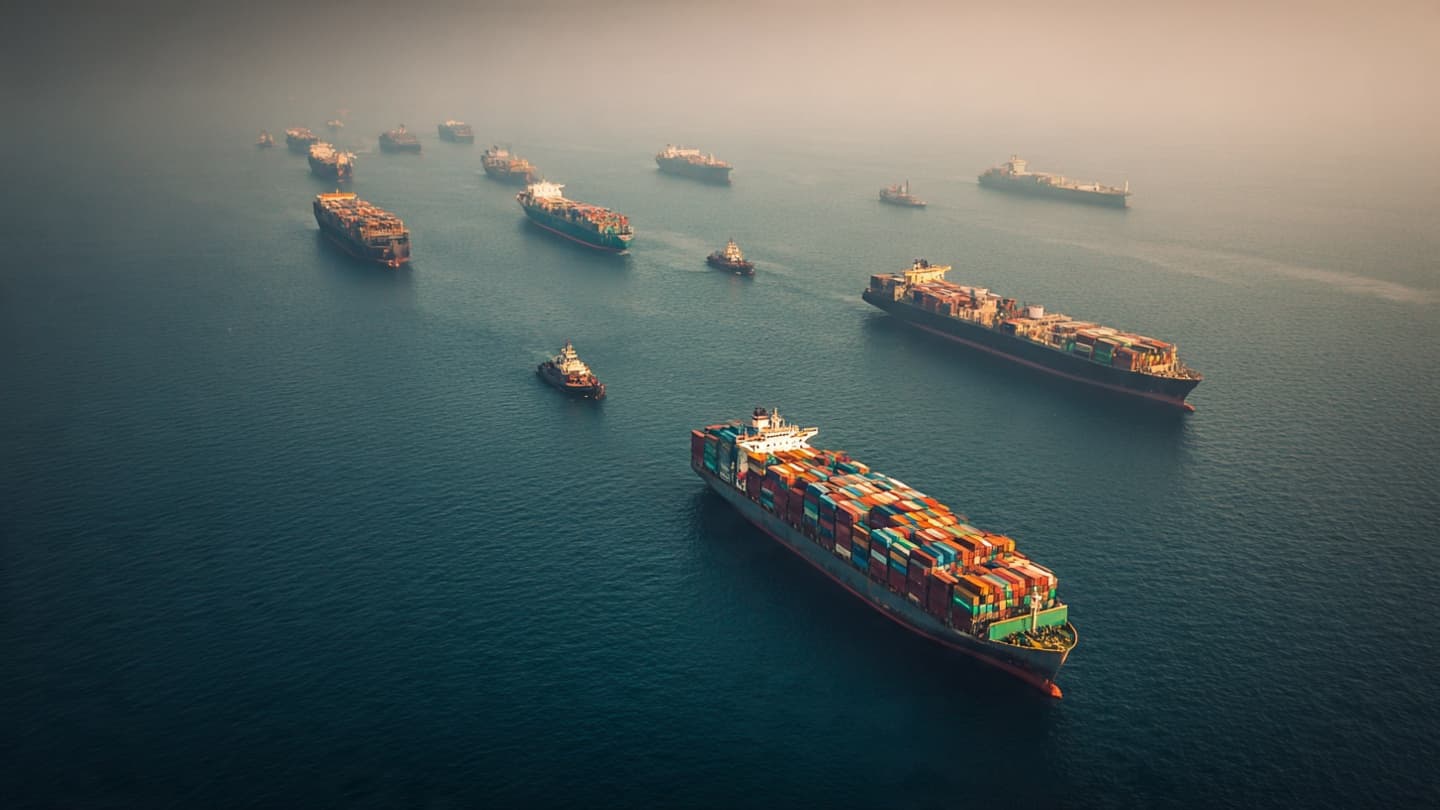
The sea has long been a bridge between nations, carrying commerce, livelihoods, and countless personal journeys across distant horizons. Yet when geopolitical tensions ripple across vital waterways, those who work at sea can find themselves unexpectedly caught in currents beyond their control. Such is the challenge now facing thousands of sailors stranded near the Strait of Hormuz.
The United Nations has announced plans to help evacuate approximately 11,000 sailors who have become stranded in and around the strategically important Strait of Hormuz. The effort comes amid heightened regional tensions that have disrupted maritime operations and complicated crew movements.
The Strait of Hormuz, situated between Iran and Oman, serves as one of the world's most critical shipping corridors. A significant share of global oil and liquefied natural gas exports passes through the narrow waterway, making any disruption a matter of international concern.
According to maritime officials, many sailors have remained aboard vessels longer than expected because of security concerns, operational delays, and restrictions affecting commercial shipping traffic. Prolonged deployments have raised concerns regarding crew welfare and mental health.
The United Nations, working alongside international maritime organizations, shipping companies, and regional authorities, is expected to coordinate transportation, logistics, and humanitarian assistance for affected crews. The operation aims to ensure that sailors can safely leave the region and return home.
Industry groups have repeatedly emphasized that seafarers play an essential role in maintaining global trade networks. Shipping organizations have also called for greater protections and clearer security arrangements during periods of geopolitical instability.
Maritime analysts note that disruptions in the Strait of Hormuz often extend beyond shipping companies, influencing energy markets, supply chains, and broader international commerce. Even temporary interruptions can have far-reaching economic consequences.
As evacuation efforts move forward, international agencies continue to monitor developments in the region while prioritizing the safety and well-being of thousands of sailors awaiting passage home.
AI Image Disclaimer: The visual illustrations accompanying this article were generated using AI and are intended for representational purposes only.
Sources: Reuters, Associated Press
Note: This article was published on BanxChange.com and is powered by the BXE Token on the XRP Ledger. For the latest articles and news, please visit BanxChange.com